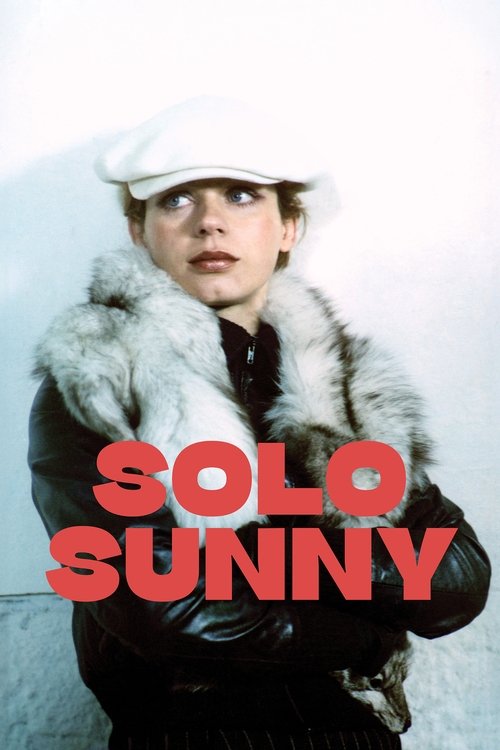
Solo Sunny
1980
No user ratings available yet
Diversity score: 6.3 out of 10
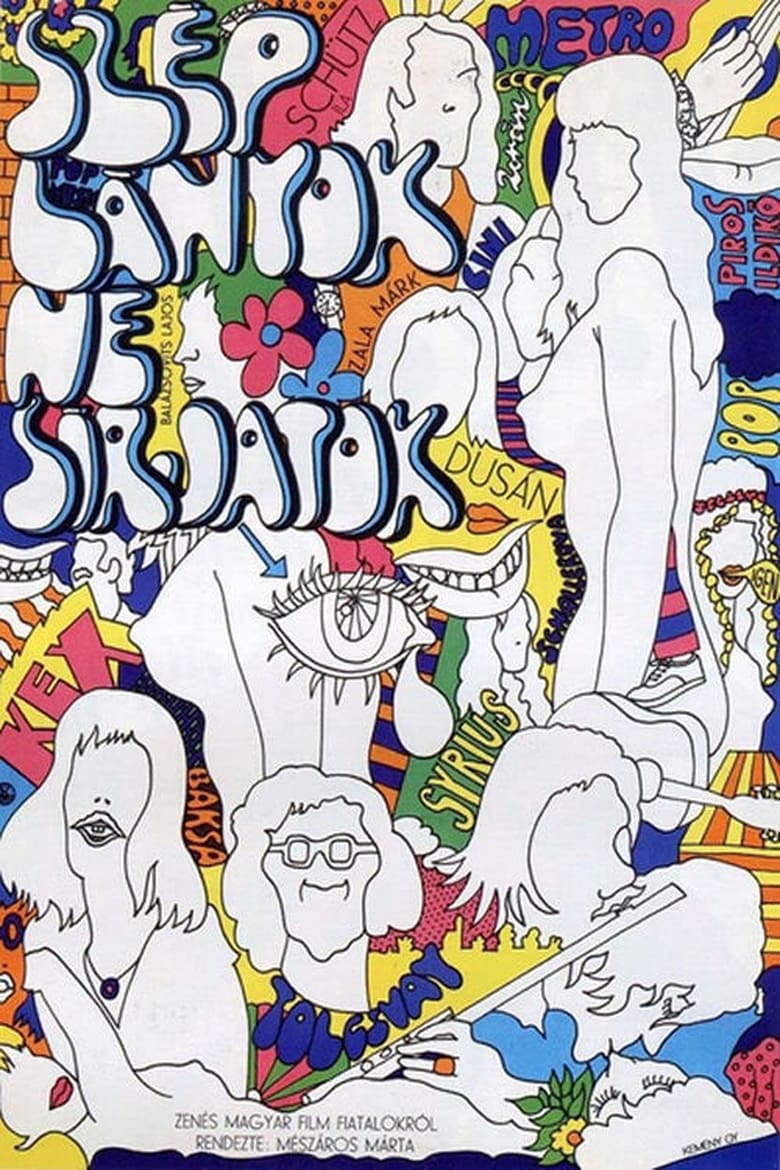
1970
Director
Márta Mészáros
Runtime
84 minutes
Average Rating
No ratings yetSynopsis
Savanyú and his friend work at a plant. After the monotonous shifts they engage in the pleasures of the afternoon and the night, i.e. parties and concerts. Savanyú dates Juli, they are already engaged. The young men live as sub-tenants, the young women in workers' hostels. None of these places are suited for spending time together. They are in need of an apartment. Out of the ruinous apartment which they lay siege on, however, they are sent away by the otherwise friendly policeman. At a concert held in the Park of Youth, Juli gets to know Géza. They flirt, then go to the country with a pop-group. Savanyú and his friends follow them. A minor fight cools the atmosphere.
Overall Score
Good
Category Breakdown
LGBTQ+ Representation
The narrative focuses on heteronormative romantic dynamics, specifically the engagement between Savanyú and Juli. There is no explicit evidence of non-cisnormative identities or queer narratives within the story.
Gender Representation
The film centers on the tension between young women and restrictive environments like workers' hostels. It prioritizes female agency and emotional lives over traditional domestic hierarchies and marital expectations.
Racial & Ethnic Diversity
The cast reflects the demographic homogeneity of 1970s Hungary. While there is no evidence of diverse casting, the film functions as a localized social realist study without promoting exclusionary hierarchies.
Religious & Cultural Diversity
The story highlights the friction between individual desire and systemic structures, such as housing and state authority. It emphasizes communal experiences like concerts and shared living struggles over consumerist success.
Disability Representation
The film provides no information regarding characters with physical or neurodivergent disabilities.
Strengths
Areas for Improvement
AI Analysis
Márta Mészáros delivers a sophisticated piece of social realism that disrupts conventional romantic stability. The film succeeds by framing systemic structures, such as law enforcement and housing, as obstacles to personal autonomy. The narrative's strength lies in its focus on female agency and the nuanced portrayal of social friction. By centering on the lived experiences of workers, it offers a meaningful critique of institutional authority. However, the film remains limited by its demographic homogeneity and a lack of visible LGBTQ+ representation. It functions primarily as a localized study of Hungarian social realities during the era.
1980
1977
1967
1981
1992
1985
1962
1957
1970
2012
1967

1988
No reviews yet. Be the first to share your thoughts on this movie!
Use the rating form above to leave a star rating and optional review.