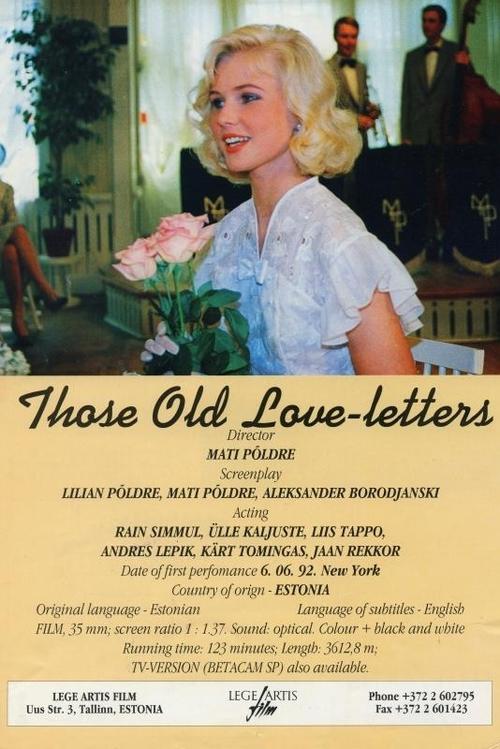
Those Old Love-letters
1992
No user ratings available yet
Representation score: 4.0 out of 10
Representation Score
Fair
1967
Director
Rolands Kalnins
Runtime
77 minutes
Average Rating
No ratings yetNew Showbiz Analysis
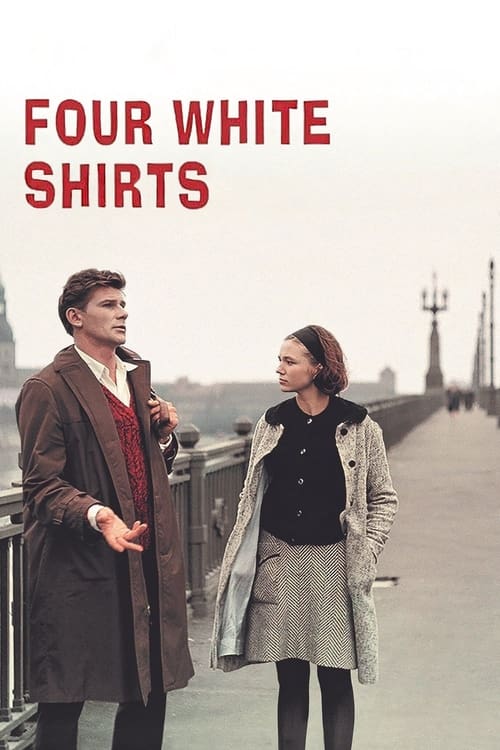
Four White Shirts examines the tension between grassroots artistic expression and centralized Soviet control. The story centers on a musician's fight for autonomy against censorship, highlighting the ineffectiveness of bureaucratic systems. While the film lacks modern markers of diversity like LGBTQ+ or racial diversity, it offers a sophisticated critique of state-mandated morality. The film's strength lies in its thematic deconstruction of authority rather than its demographic breadth. Ultimately, it studies the conflict between individual ability to act and institutional oversight, using the tension of cultural production to challenge rigid social structures.
Category Breakdown
The film does not include any LGBTQ+ characters or stories that challenge the assumption that everyone is straight or cisgender. The narrative focuses on professional and social struggles within a strict Soviet system.
A female Culture Committee member acts as a plot catalyst. Her eventual loss of control over public debate challenges traditional ideas of stable, institutional authority.
The film reflects the demographic realities of Latvia in 1967. It shows no evidence of diverse casting or disruption of ethnic homogeneity.
The narrative critiques top-down cultural control by showing the struggle against censorship. It prioritizes individual creative truth over state-prescribed social utility.
There is no documented evidence regarding the inclusion or portrayal of characters with physical or neurodivergent disabilities.
Present on Screen
Limited or Absent
Official Synopsis
Cezars Kalnins installs telephones by day and composes pop songs by night. His band has a hard time receiving the permit from Soviet censorship authorities for a public debut. A member of the Culture Committee superficially listens to Cēzars' songs and deems the lyrics "unsuitable and frivolous” and "unfit for the Soviet youth”, and is later powerless to stop the grindstone of public debate, which she has herself initiated.
1992
2008

1966

2018
1980
2012
1986
2007
No reviews yet. Be the first to share your thoughts on this movie!
Use the rating form above to leave a star rating and optional review.