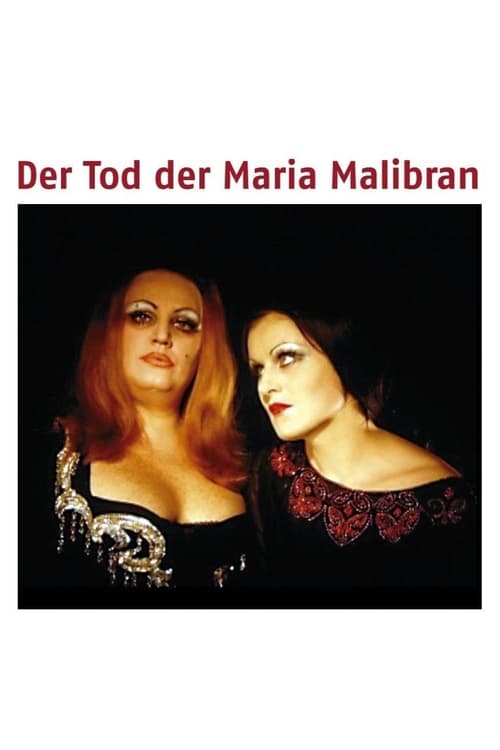
The Death of Maria Malibran
1972
No user ratings available yet
Diversity score: 5.5 out of 10
1970
Director
Werner Schroeter
Runtime
65 minutes
Average Rating
No ratings yetSynopsis
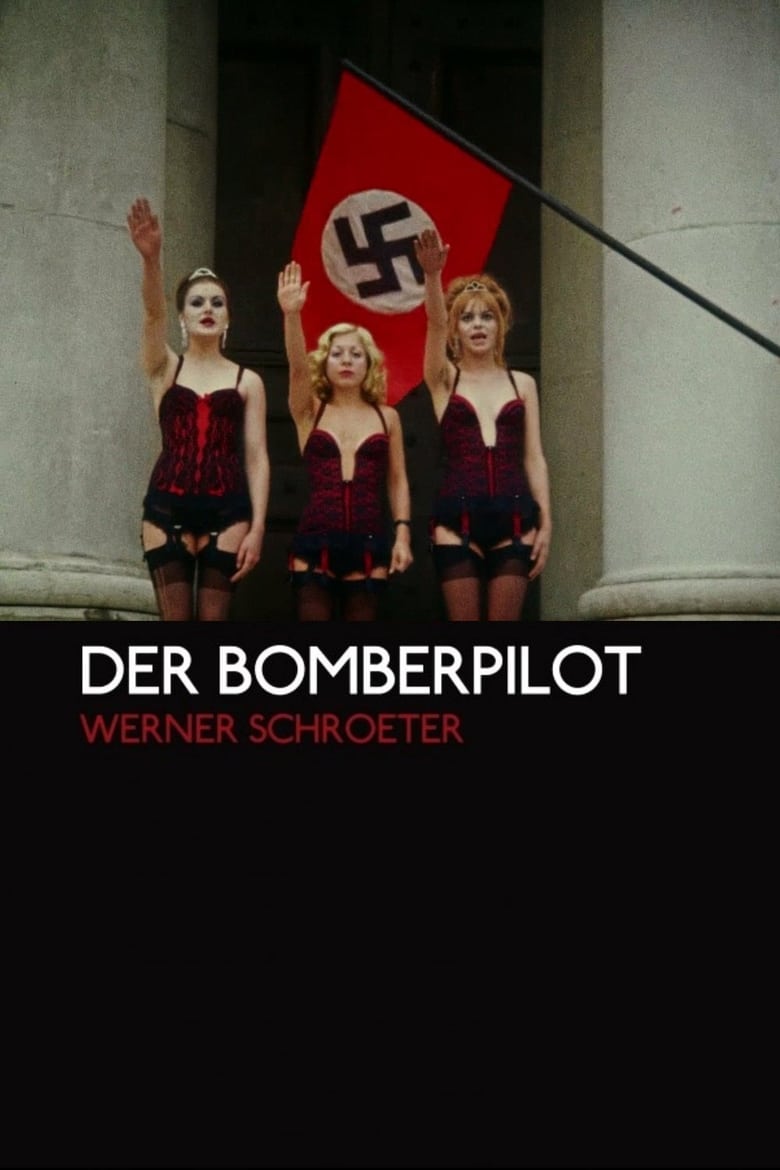
Schroeter’s film is a chronicle of Germany from the Nazi era until the economic boom of the 1950s and 1960s, centering on three women who search for a career as singers and dancers.
Overall Score
Fair
Category Breakdown
LGBTQ+ Representation
The film utilizes a camp and queer sensibility rooted in Schroeter's signature aesthetic. While specific character identities are not explicitly detailed, the focus on performance suggests an engagement with non-normative expression.
Gender Representation
The narrative disrupts traditional history by centering on three women. By prioritizing their professional aspirations in singing and dancing, the film shifts agency away from male-centric military histories.
Racial & Ethnic Diversity
The score reflects a likely focus on the homogeneous demographic typical of mid-century German historical dramas. The specific geographic and historical context limits the presence of diverse casting.
Religious & Cultural Diversity
The film examines German institutional shifts from the Nazi era through the economic boom. It prioritizes subjective experience and artistic identity over singular nationalistic or religious morality.
Disability Representation
There is no evidence regarding the inclusion or portrayal of characters with visible or invisible disabilities within the narrative.
Strengths
Areas for Improvement
AI Analysis
Werner Schroeter’s *Der Bomberpilot* offers a stylized departure from conventional historical chronicles. By centering the story on three women pursuing careers in the performing arts, the film successfully pivots away from the era's dominant male-driven military narratives toward female agency. While the film excels in gender representation and cultural critique, it remains constrained by its historical setting. The lack of racial diversity reflects the homogeneous social realities of mid-century Germany, and specific LGBTQ+ identities remain unconfirmed despite the director's queer aesthetic. Ultimately, the work functions as a subversive examination of German history, using the spectacle of performance to challenge traditional social hierarchies and nationalistic structures.
No reviews yet. Be the first to share your thoughts on this movie!
Use the rating form above to leave a star rating and optional review.