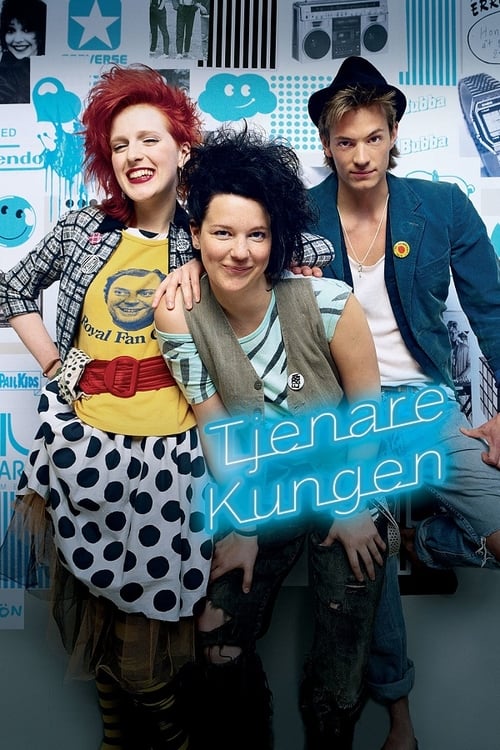
God Save the King
2005
No user ratings available yet
Representation score: 5.3 out of 10
Representation Score
Fair
2012
Director
Matti Kinnunen
Runtime
92 minutes
Average Rating
No ratings yetNew Showbiz Analysis
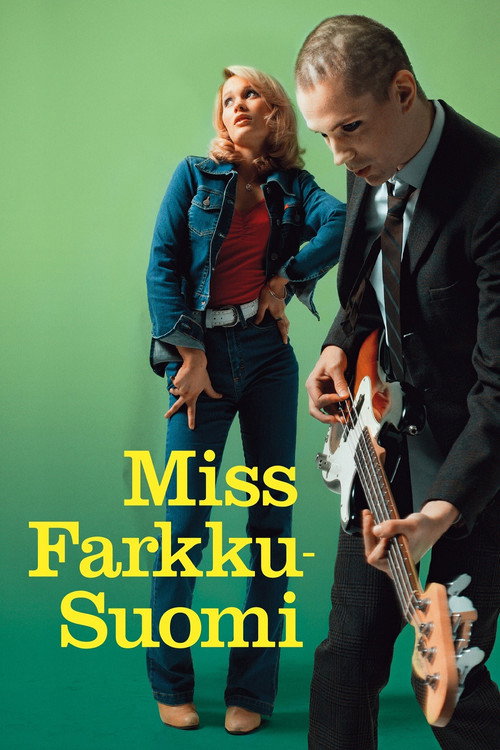
Miss Blue Jeans is a period piece that emphasizes subcultural authenticity over broad demographic representation. Its strength lies in exploring the punk movement and the conflict between individual identity and social status. The film captures the essence of 1977 Finland, highlighting the clash between the bourgeois establishment and the emerging new wave scene. However, this focus leads to a lack of LGBTQ+ and racial representation. Ultimately, the film excels as a cultural critique of mainstream norms, even if it stays within the demographic limits of its historical context.
Category Breakdown
The story centers around heterosexual relationships between Välde and Pike. Although the punk movement often includes queer aesthetics, there are no explicit LGBTQ+ character stories.
The film looks at how female beauty is turned into a commodity through the Miss Blue Jeans contest. It also examines the tension between gendered expectations and bourgeois standards in a small town.
Set in 1977 Oulu, the film shows a mostly uniform Finnish population. The story focuses on class differences rather than racial or ethnic diversity.
The film provides a progressive view of punk and new wave rebellions. It criticizes mainstream pop culture and bourgeois lifestyles through the lens of counter-cultural movements.
There are no characters with visible or invisible disabilities mentioned in the narrative.
Present on Screen
Limited or Absent
Official Synopsis
Year 1977. Punk and new wave rock'n roll has arrived to remote Finland and a bleak small town Oulu where increasingly odd-looking youths began to appear in the street with a message. Their rebellion speaks to Välde (17). Välde dreams of joining a rock band and becoming famous. He wants to get drunk for the first time, and to win the love of Pike, the most beautiful girl in the class. When Pike wins the Miss Blue Jeans contest organised by the country´s leading (and only) pop music magazine Suosikki and takes as her boyfriend the bourgeois Henri Hakala, Välde puts all his eggs in one basket. He abandons his former self and begins purposefully constructing a new persona for himself. But everything doesn’t go as Välde wanted … The film is based on a novel by Kauko Röyhkä, an author and indie rock musician.
2005

2013
1982

2014

2002

1998
1996
1979
No reviews yet. Be the first to share your thoughts on this movie!
Use the rating form above to leave a star rating and optional review.