
The Heartbreakers
1983
No user ratings available yet
Representation score: 3.2 out of 10
Representation Score
Limited
1962
Director
Clive Donner
Runtime
93 minutes
Average Rating
No ratings yetNew Showbiz Analysis
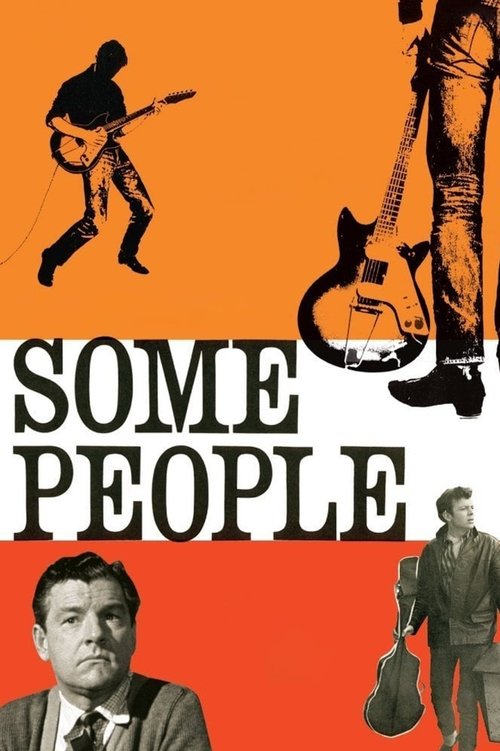
Some People serves as a social realist examination of 1960s Britain, highlighting the tension between personal identity and rigid class structures. Despite its limited demographic range, it effectively challenges institutional authority through its portrayal of youth disillusionment. The film's strength lies in its cultural critique and its progressive treatment of female independence for the time. However, it remains constrained by the era's social uniformity, offering minimal representation for racial or LGBTQ+ communities.
Category Breakdown
The film does not include any LGBTQ+ characters or non-straight identities. Relationships are centered around traditional heterosexual pairings without any queer undertones.
The film presents a nuanced portrayal of gender roles, especially through Rita Tushingham's character. Her growing independence challenges traditional domestic expectations.
The cast is primarily composed of white actors, reflecting the homogeneous social makeup of working-class London during the time period.
The story critiques the British class system, presenting youthful aimlessness as a result of societal restrictions and limitations.
There are no visible or hidden disabilities shown in the film. None of the characters have stories centered around physical or cognitive differences.
Present on Screen
Limited or Absent
Official Synopsis
Four teen-aged Teds are persuaded to form a rock group and undertake the Duke of Edinburgh Award Scheme to keep them out of trouble.
1983

2013
1958
1994
1979

1958

2010

2005
No reviews yet. Be the first to share your thoughts on this movie!
Use the rating form above to leave a star rating and optional review.