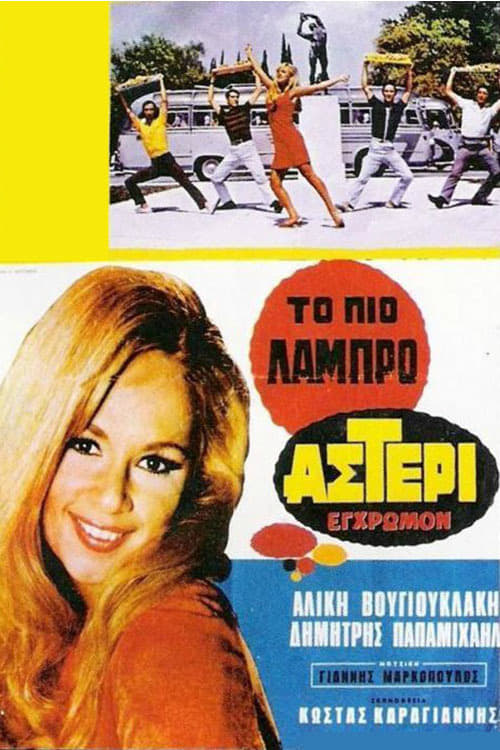
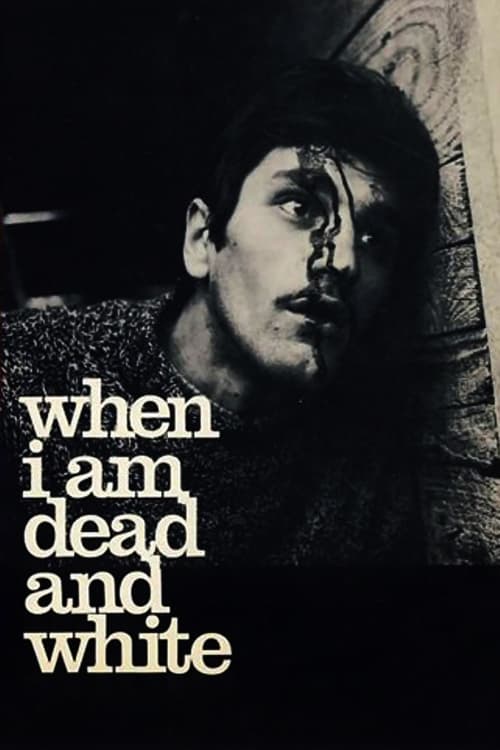
The Brightest Star
1967
No user ratings available yet
Representation score: 3.6 out of 10
Representation Score
Fair
1967
Director
Živojin Pavlović
Runtime
79 minutes
Average Rating
No ratings yetNew Showbiz Analysis
Živojin Pavlović’s direction places this film within the Yugoslav Black Wave, a movement known for breaking down social norms and focusing on underrepresented individuals. The film's strength lies in its challenge to the 'success' mythos, using Jimmy Barka's failures to critique socio-economic structures. However, the film remains rooted in the traditional perspectives of its time. It lacks explicit representation for LGBTQ+ identities and provides limited evidence of female empowerment or diverse racial casting beyond its localized Balkan context. Ultimately, the work serves more as a social critique of class and systemic failure than a modern exploration of identity-based diversity.
Category Breakdown
The film focuses on the existential struggles of a vagabond without addressing any specific LGBTQ+ identities or critiques of straight relationships. There is no direct engagement with queer narratives or challenges to the assumption that everyone is straight or cisgender.
The story centers around a male protagonist named Jimmy Barka, reflecting traditional 1960s social realism. There is little evidence of strong female roles or the overturning of gender hierarchies.
The film operates within a specific Balkan socio-political framework, using characters from the fringes of society to challenge class-based uniformity. However, it does not feature modern diverse casting.
The film strongly critiques the idea of systemic stability through the vagabond archetype. By focusing on seasonal labor and inevitable social failure, it rejects traditional success stories.
The story does not include any characters dealing with physical, sensory, or neurodivergent disabilities.
Present on Screen
Limited or Absent
Official Synopsis
The story about Jimmy Barka, a young vagabond who works as a seasonal worker. Having been sacked from the job, his dreams are to become a singer. As most of the things in the Balkans happen, he is destined to failure.
1967
1967

1979
1986
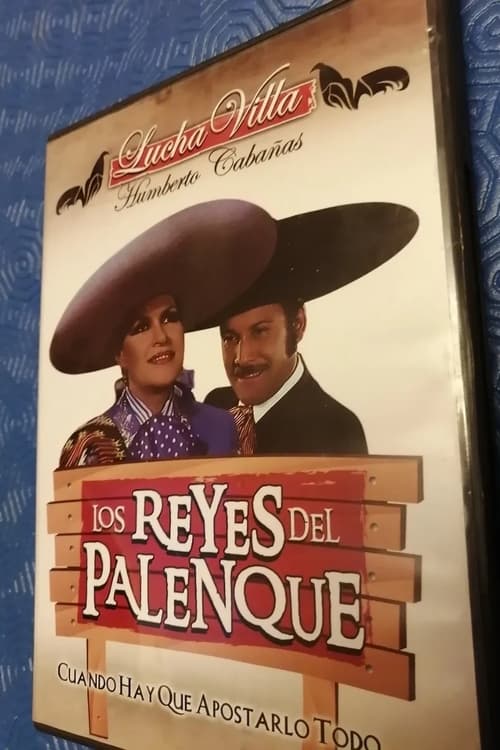
1979
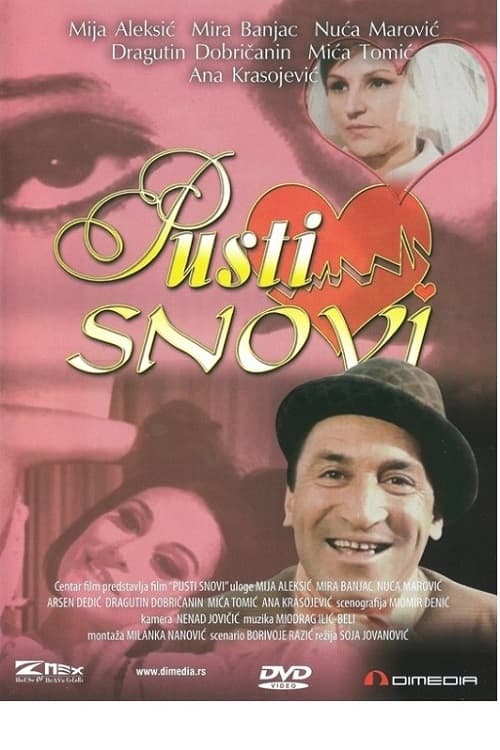
1968
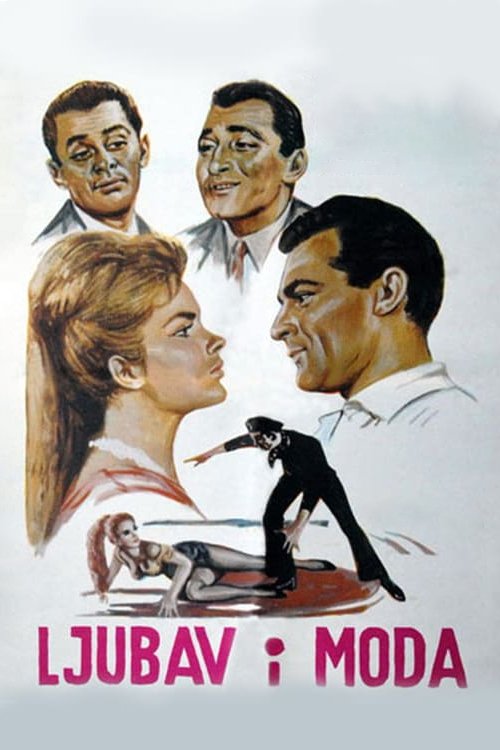
1960
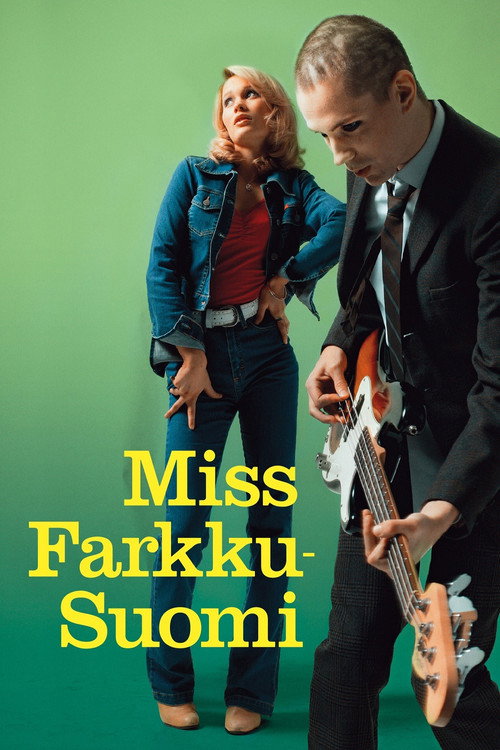
2012
No reviews yet. Be the first to share your thoughts on this movie!
Use the rating form above to leave a star rating and optional review.