The Valley of Decision
1945
No user ratings available yet
Representation score: 1.2 out of 10
Representation Score
Limited
1934
ApprovedDirector
Roy William Neill
Runtime
66 minutes
Average Rating
No ratings yetNew Showbiz Analysis
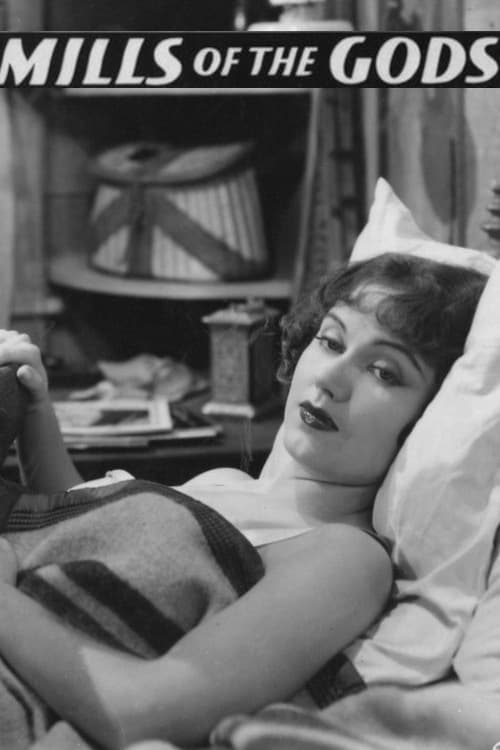
Mills of the Gods serves as a social commentary rather than standard studio escapism. While it lacks demographic diversity, it uses class conflict to challenge the social equilibrium of its era. The film's strength lies in its willingness to deconstruct established economic hierarchies. It moves beyond simple romance to explore the moral complexities of labor rights and institutional corruption. However, the production remains limited by the era's typical casting patterns. It lacks meaningful representation of racial, ethnic, or LGBTQ+ identities, focusing instead on a localized Western class struggle.
Category Breakdown
There are no visible LGBTQ+ characters or narratives addressing non-assuming gender matches what was assigned at birth identities in the film.
Jean Hastings evolves from a spoiled archetype into a woman who actively questions her family's power structures. She disrupts submissive stereotypes and takes a leading role in driving the story.
The narrative focuses on class-based distinctions within a Western setting. There is no evidence of a non-white cast or the subversion of ethnic hierarchies.
The story critiques industrial institutions through a lens of labor strife. It prioritizes systemic justice over traditional loyalty to capitalist family hierarchies.
No information is available regarding the depiction of physical or neurodivergent characters in this production.
Present on Screen
Limited or Absent
Official Synopsis
Fay Wray plays Jean Hastings, the wealthy and spoiled scion of a factory-owning family led by her irrepressible grandmother. Sparks fly when Jean meets Jim Devlin, the labor leader who’s spearheading a tense worker’s strike against the factory. After circumstances force Jean and Jim to spend a night together in his cabin, she begins questioning her family’s ruthless tactics. This hard-to-see Columbia film by British director Roy William Neill not only features Wray as a brunette but also includes an explosive depiction of labor strife. (Block Cinema)
1945
1925

1935
1954
1926
1963
1929
1928
No reviews yet. Be the first to share your thoughts on this movie!
Use the rating form above to leave a star rating and optional review.