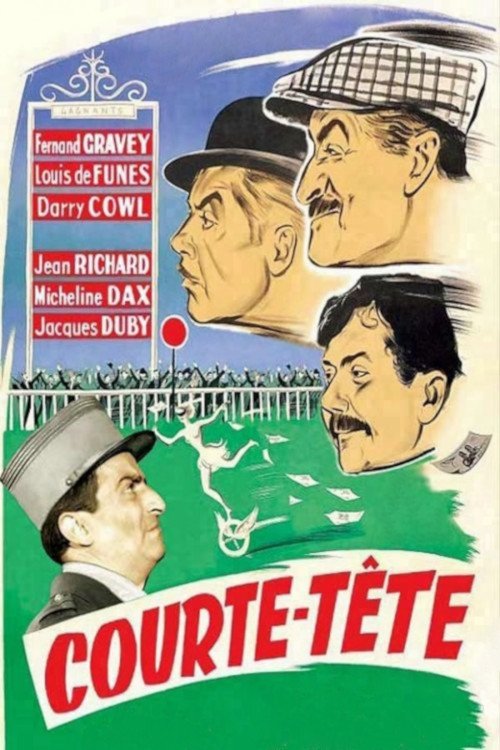
Slightly Ahead
1956
No user ratings available yet
Representation score: 0.4 out of 10
Representation Score
Minimal
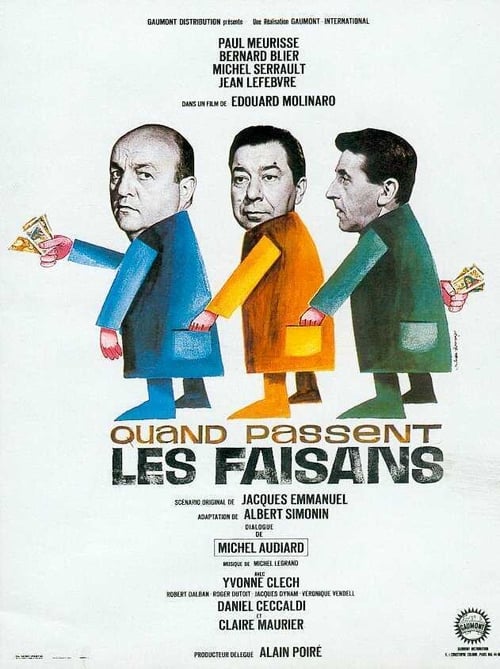
1965
Director
Édouard Molinaro
Runtime
89 minutes
Average Rating
No ratings yetNew Showbiz Analysis
This 1965 comedy is a product of its era, prioritizing character-driven situational irony over social commentary. The narrative centers on small-time crooks and their various deceptions, maintaining a traditional demographic profile. The film lacks intentionality regarding the way different parts of someone's identity overlap or the disruption of social hierarchies. It functions as a standard comedy of its time, focusing on individual greed rather than systemic critique. While specific ethnic backgrounds like Portuguese are mentioned, the ensemble remains largely homogeneous, and gender roles follow established provincial norms.
Category Breakdown
The film does not include any LGBTQ+ characters or storylines. It stays within traditional social frameworks without addressing queer themes or challenges to the assumption that everyone is straight or cisgender.
Gender roles in the film remain traditional within a French provincial setting. Mrs. Paterson, a charming widow, exerts influence, but the film does not challenge gender hierarchies.
The cast is predominantly homogeneous, reflecting mid-1960s cinematic norms. The inclusion of Ribeiro, a Portuguese contractor, adds ethnic specificity, but the overall casting lacks broader racial and ethnic diversity.
The narrative focuses on the absurdity of human greed and swindling, avoiding critiques of Western institutions like religion or the family. It adheres to standard comedic clichés.
The film does not focus on physical or neurodivergent disabilities. Characters are defined by their socioeconomic status and comedic roles rather than any visible or invisible disabilities.
Present on Screen
Limited or Absent
Official Synopsis
Arsène Baudu and Hyacinthe, a pair of small-time crooks, fall prey to Alexandre Larsan-Bellac, who involves them (against their will) in high-profile swindling, but their success is quite limited. For starters they are deceived by Mrs. Paterson, a charming widow. Later on, Ribeiro, a Portuguese contractor and former victim of the two crooks, traces them and forces them to work on one of his building sites for damages. Just then, Larsan-Bellac resurfaces with plans to lure Ribeiro once again. —Guy Bellinger
1956
1976
1964

1964
1963
1964
1964
1976
No reviews yet. Be the first to share your thoughts on this movie!
Use the rating form above to leave a star rating and optional review.