
He Thief, She Thief
1958
No user ratings available yet
Representation score: 1.8 out of 10

Representation Score
Limited
1964
Director
Jacques Poitrenaud
Runtime
95 minutes
Average Rating
No ratings yetNew Showbiz Analysis
The film follows conventional mid-century comedy clichés, emphasizing established social hierarchies and traditional gender roles. While it offers a light-hearted look at social pretension, it does not challenge broader societal structures. The narrative centers on the male protagonists and their domestic deceptions, reinforcing the era's standard clichés. Overall, the work presents a homogeneous social world that upholds the status quo of 1964.
Category Breakdown
The film does not include any LGBTQ+ characters or non-cisgender identities. The story centers on the heterosexual relationships of the male leads.
The male leads, Marcel and Francis, play key roles in driving the story. A young girl joins their criminal activities, but she seems more like a whimsical addition rather than a challenge to traditional gender roles.
The cast reflects a homogeneous society typical of 1964 French comedy. There is no indication of racial diversity or multicultural representation within the setting.
The story explores social deception and class pretension without addressing religious or systemic issues. It focuses on individual character comedy within a localized social context.
There is no mention of characters with physical, sensory, or neurodivergent disabilities in the narrative.
Present on Screen
Limited or Absent
Official Synopsis
Marcel and Francis are busy people. Marcel owns a café and spend all his nights running from meetings to meetings with members from the high society... at least, that's what he say to his barman! Francis leaves his home, loving wife and adorable daughter, frequently to attend meetings and demonstration with customers. His boss trusts him so much that his agenda is always full... at least, that's what he say to his wife! In fact, Marcel and Francis' incomes come from their night job: thieves! Here at least, they are professional. Troubles arise when, during one robbery, they encounter a young, high-pitched voice, candid girl who takes the decision to become their associate in crime... for the fun!
1958

1964

1959

1958

1964
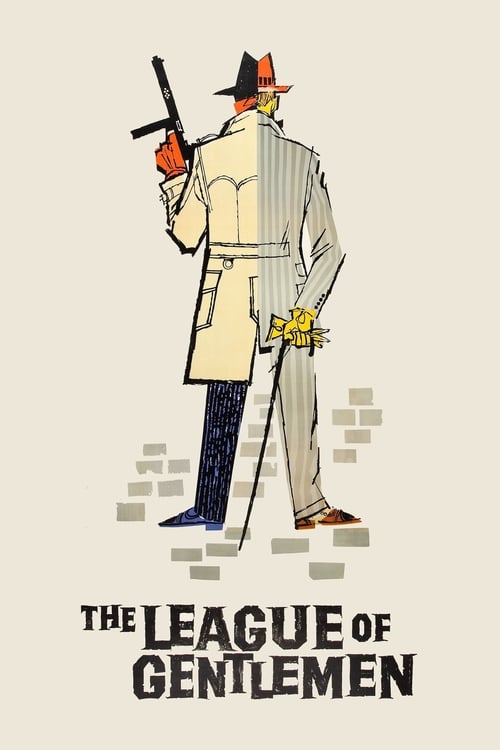
1960

1954

1972
No reviews yet. Be the first to share your thoughts on this movie!
Use the rating form above to leave a star rating and optional review.