
A Taste for Women
1964
No user ratings available yet
Representation score: 3.1 out of 10
Representation Score
Minimal
1966
Not RatedDirector
Jacques Besnard
Runtime
82 minutes
Average Rating
No ratings yetNew Showbiz Analysis
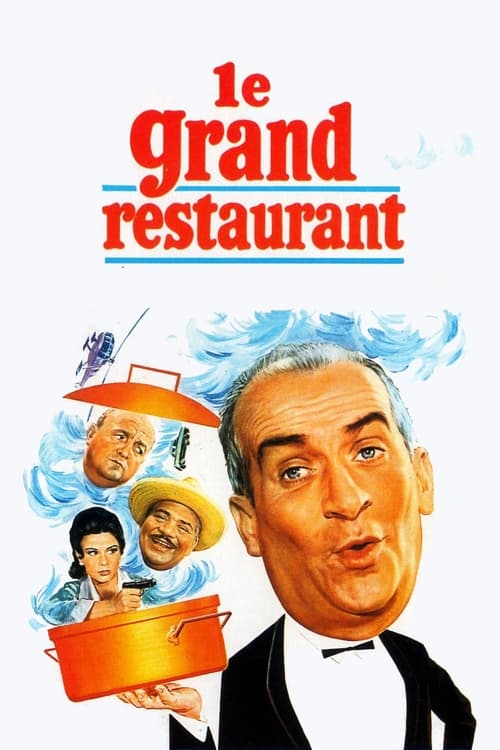
The Restaurant is a traditional genre piece that adheres strictly to the social and narrative conventions of mid-century European cinema. It functions as a period-specific comedy that reflects the homogeneous landscape of 1960s France rather than attempting to subvert it. The film lacks intentionality regarding the way different parts of someone's identity overlap. Instead of disrupting established hierarchies, the story reinforces the stability of traditional professional and social institutions through its focus on a male-led culinary establishment. Ultimately, the work serves as a snapshot of its era, prioritizing classic storytelling and visual composition over the deconstruction of social norms.
Category Breakdown
The film does not include any stories that promote LGBTQ+ visibility. It follows the social norms of the 1960s, avoiding any narratives that question the assumption that everyone is straight or cisgender.
The story focuses on a male proprietor, reinforcing male leadership. The plot is driven by male-centric intrigue, which upholds traditional gender roles.
The setting reflects the homogeneous society of 1960s France. There is no indication of diverse identities used to challenge the Western-centric status quo.
The film highlights established social hierarchies and professional prestige. It reinforces the stability of traditional French social and professional institutions.
There is no mention of characters with visible or invisible disabilities. No data suggests disability is utilized as a narrative device.
Present on Screen
Limited or Absent
Official Synopsis
A great French restaurant's owner, Monsieur Septime, is thrust into intrigue and crime, when one of his famous guests disappears.
1964

1972
1969

1979

1977

1964
1976

1966
No reviews yet. Be the first to share your thoughts on this movie!
Use the rating form above to leave a star rating and optional review.