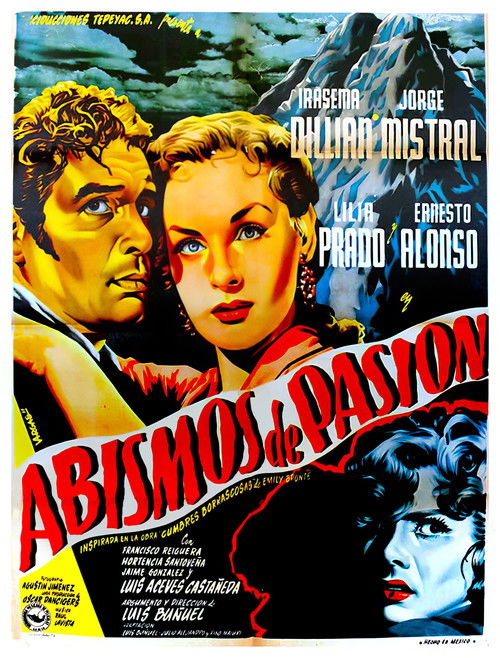
Wuthering Heights
1954
No user ratings available yet
Representation score: 4.2 out of 10
Representation Score
Fair
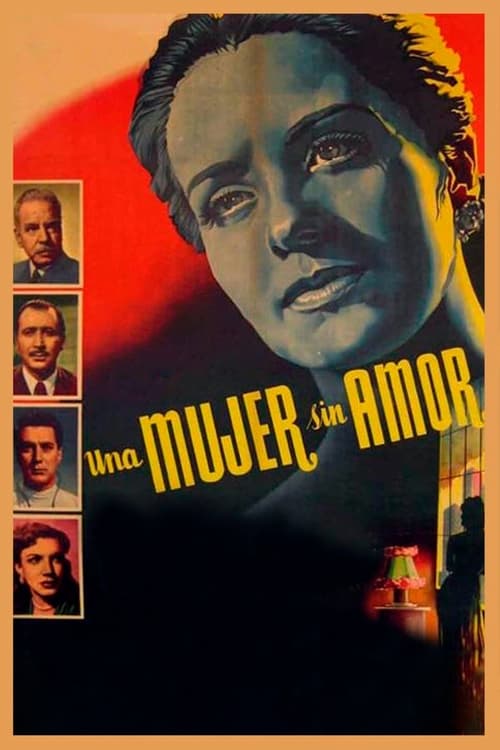
1952
Not RatedDirector
Luis Buñuel
Runtime
85 minutes
Average Rating
No ratings yetNew Showbiz Analysis
Luis Buñuel uses this drama to deconstruct bourgeois values and institutional hypocrisy. While the film lacks demographic diversity in terms of race and sexual orientation, it is thematically progressive. It prioritizes the lived experience of a underrepresented individual over the preservation of social hierarchies. The narrative serves as a sharp critique of the status quo. By depicting the 'moral' community as a collective of oppressors, the film challenges traditional social cohesion and religious authority.
Category Breakdown
The film does not include any LGBTQ+ characters or non-cisgender identities. The story focuses on heterosexual relationships and the societal consequences of infidelity.
The film provides a nuanced look at patriarchal structures by centering a woman who exists outside traditional feminine roles. The protagonist plays a significant role in driving the story through her emotional journey.
Set in a rural French village, the cast and setting are predominantly white and ethnically uniform. The film does not offer any notable instances of racial diversity.
The film effectively critiques traditional Western institutions, portraying religious morality as oppressive. It questions the validity of singular Christian ethics through a lens of moral relativism.
There are no significant characters with visible or invisible disabilities used as central plot devices or subjects of mockery.
Present on Screen
Limited or Absent
Official Synopsis
After indulging in an affair with a man (a friend of the family) she truly loves, a woman returns to her young son and husband for good, and loses contact with the man. Her husband is unaware of the affair. Twenty years later, there is news that the friend has died and left all of his money to the younger son in the family, which leads us to question this younger son's biological origin.
1954
1953

1943
1976
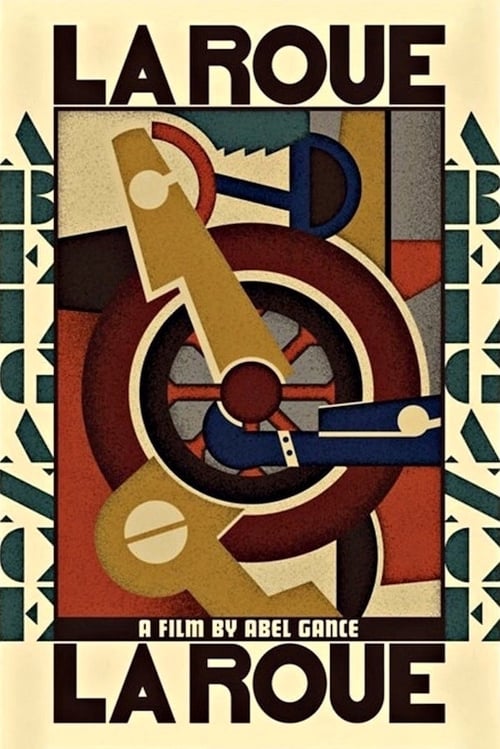
1923
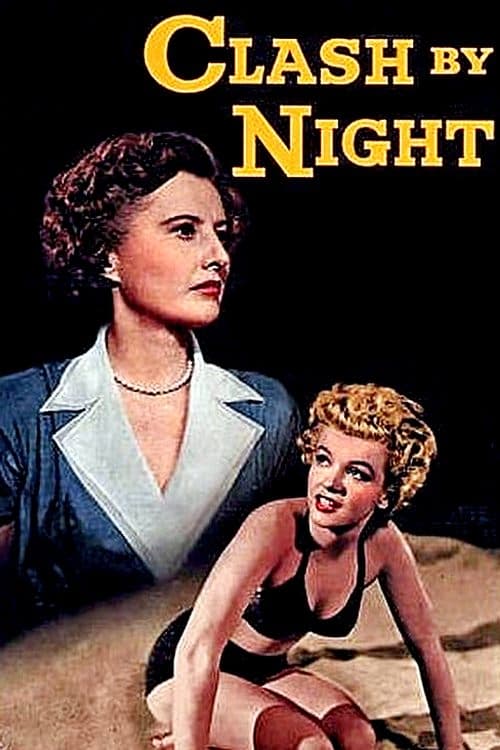
1952
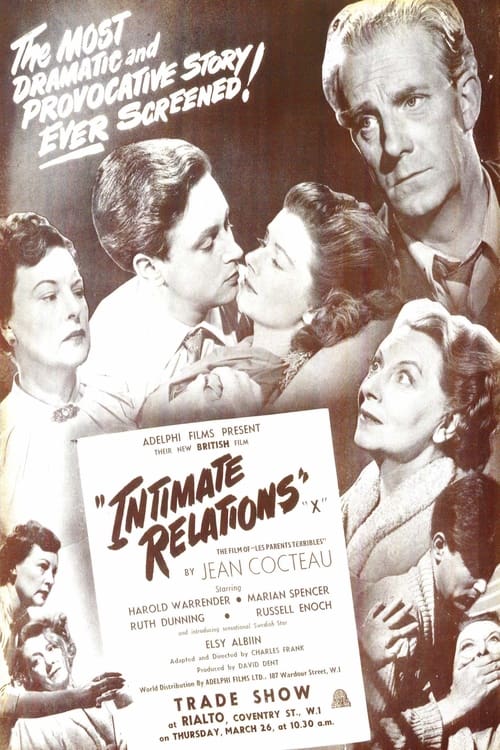
1953
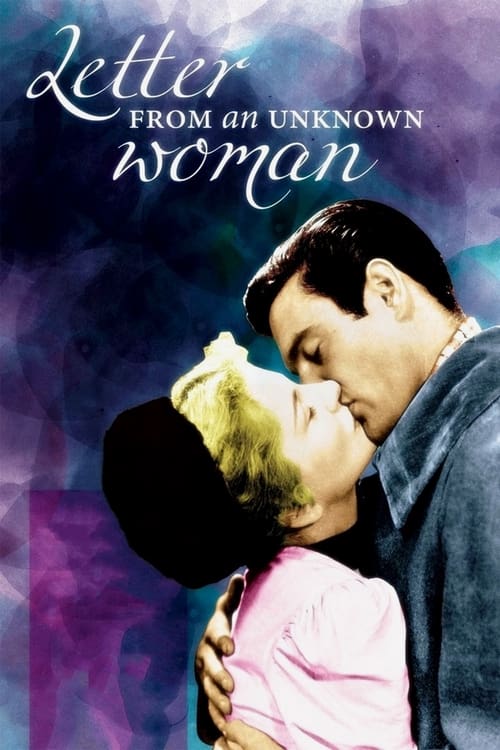
1948
No reviews yet. Be the first to share your thoughts on this movie!
Use the rating form above to leave a star rating and optional review.