
The Pornographers
1966
No user ratings available yet
Representation score: 5.7 out of 10
Representation Score
Good
1977
RDirector
Luis Buñuel
Runtime
103 minutes
Average Rating
No ratings yetNew Showbiz Analysis
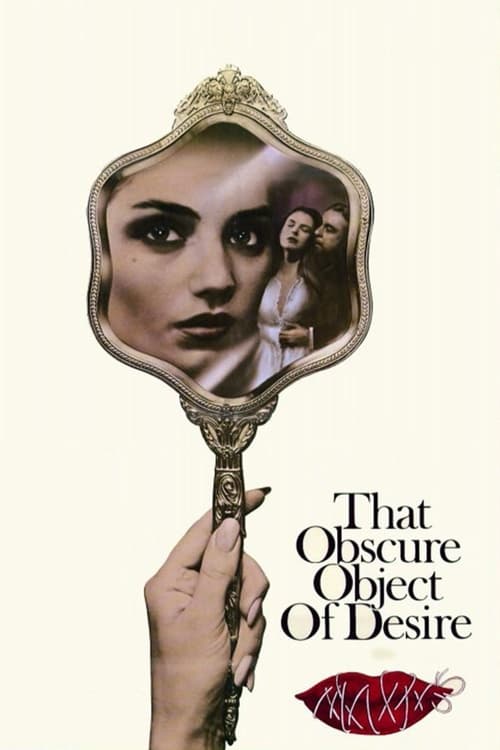
Luis Buñuel’s work excels at dismantling bourgeois sensibilities and religious dogma through surrealism. While the film lacks overt identity-based representation, it succeeds in its profound critique of Western institutional stability and social cohesion. The narrative's strength lies in its cultural subversion, using dream-logic to challenge traditional social structures. However, the film remains limited by its homogeneous cast and its focus on a traditional, albeit surreal, heterosexual romantic framework.
Category Breakdown
The story focuses on a repetitive and frustrating heterosexual pursuit, lacking any non-cisgender identities or narratives that challenge the assumption that everyone is straight. There are no explicit queer narratives.
Conchita maintains a significant role in driving the story by rejecting the male protagonist's desires. The film challenges traditional masculine leadership by portraying the male lead's pursuit as absurd and undignified.
The setting is a predominantly bourgeois European environment with a largely homogeneous cast. While Conchita is a flamenco dancer, ethnicity does not play a central role in the plot.
Buñuel uses surrealism to depict religious decorum and bourgeois etiquette as hypocritical. The narrative replaces institutional morality with a dream-like logic that prioritizes subjective experience.
There is no significant depiction of physical, sensory, or neurodivergent disabilities. Characters function within a standard physiological framework without any characters with disabilities serving as central figures.
Present on Screen
Limited or Absent
Official Synopsis
After dumping a bucket of water on a beautiful young woman from the window of a train car, wealthy Frenchman Mathieu, regales his fellow passengers with the story of the dysfunctional relationship between himself and the young woman in question, a fiery 19-year-old flamenco dancer named Conchita. What follows is a tale of cruelty, depravity and lies -- the very building blocks of love.
1966

1976

1974
1992
1982

1962
1986

2015
No reviews yet. Be the first to share your thoughts on this movie!
Use the rating form above to leave a star rating and optional review.