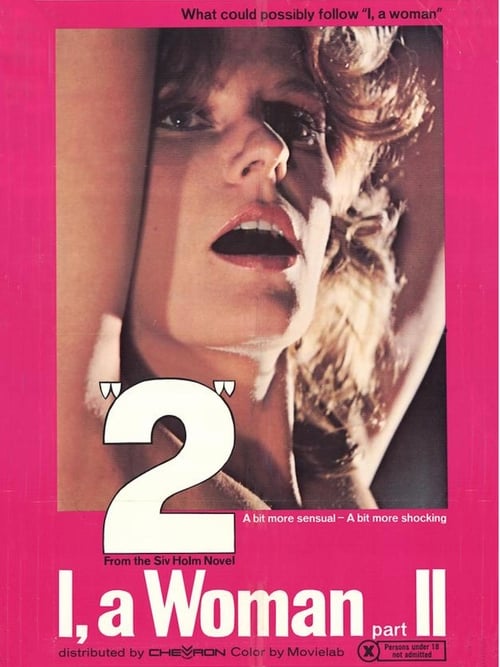
I, a Woman Part II
1968
No user ratings available yet
Diversity score: 4.9 out of 10
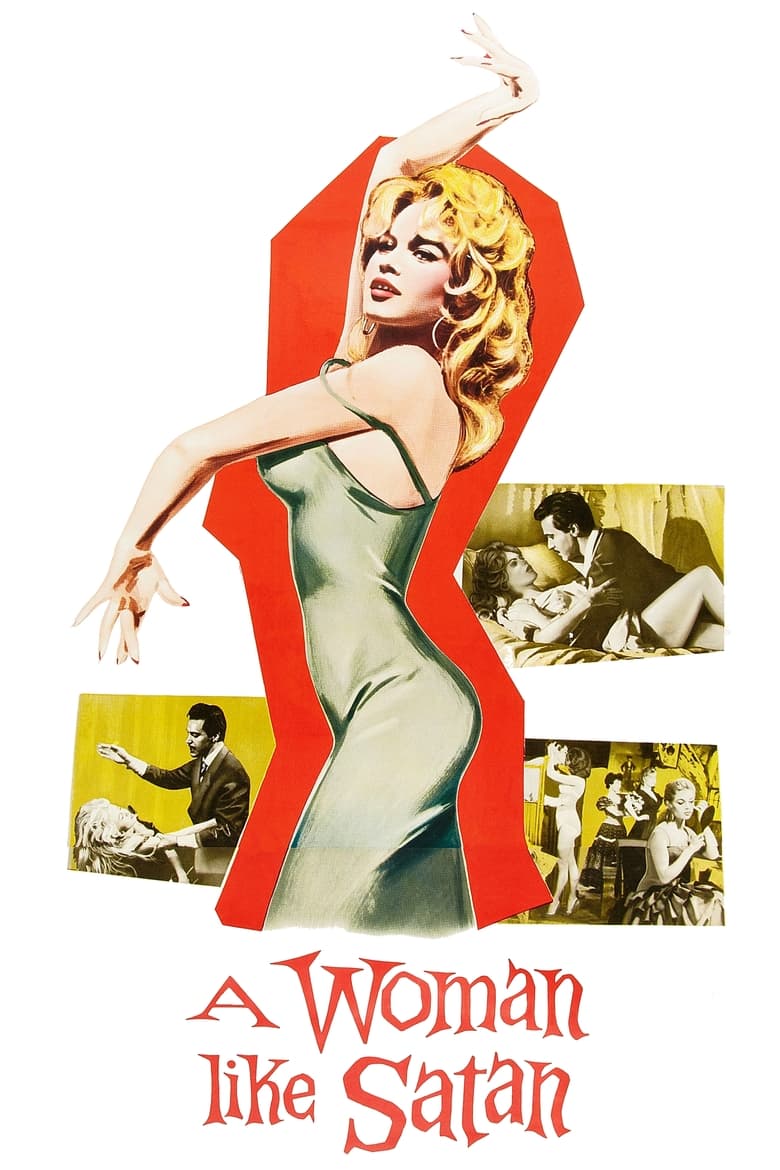
1958
Director
Julien Duvivier
Runtime
101 minutes
Average Rating
No ratings yetSynopsis
Handsome and rich Spanish gentleman abandons his wife and riches for his love of a young girl of poor stock who taunts and degrades him.
Overall Score
Fair
Category Breakdown
LGBTQ+ Representation
The film lacks explicit LGBTQ+ characters or non-heteronormative identities. The narrative focuses entirely on a destructive romantic entanglement between a man and a younger woman.
Gender Representation
The story subverts mid-century tropes by centering a female protagonist who destabilizes male authority. Instead of a submissive lead, she actively taunts and degrades a powerful man.
Racial & Ethnic Diversity
Representation is limited to Spanish social classes and European class frameworks. The narrative explores friction between rich and poor stock rather than multi-ethnic or intersectional identities.
Religious & Cultural Diversity
The film critiques traditional Western institutions like marriage and wealth. It replaces idealized moral structures with a focus on raw, individualistic impulses and moral relativism.
Disability Representation
There is no evidence of characters with physical or neurodivergent disabilities within the narrative.
Strengths
Areas for Improvement
AI Analysis
A Woman Like Satan succeeds in challenging the era's gendered power dynamics. By portraying a woman who psychologically manipulates a wealthy man, the film avoids the standard submissive female archetype common in 1950s cinema. However, the film remains narrow in its scope of identity. It operates within a localized European class framework, focusing on Spanish social hierarchies rather than a diverse or intersectional cast. Ultimately, the film is a study of social decay and the breakdown of traditional stability. It offers a cynical look at human morality that disrupts the romanticized norms of its time.
1968

1975
1969
1986
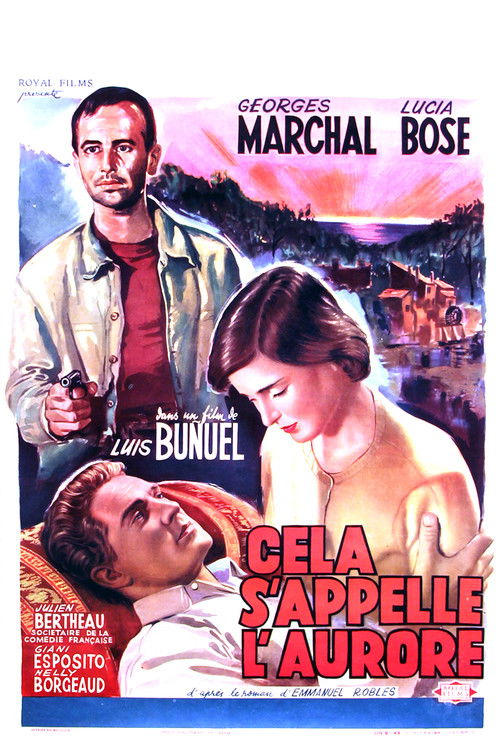
1956
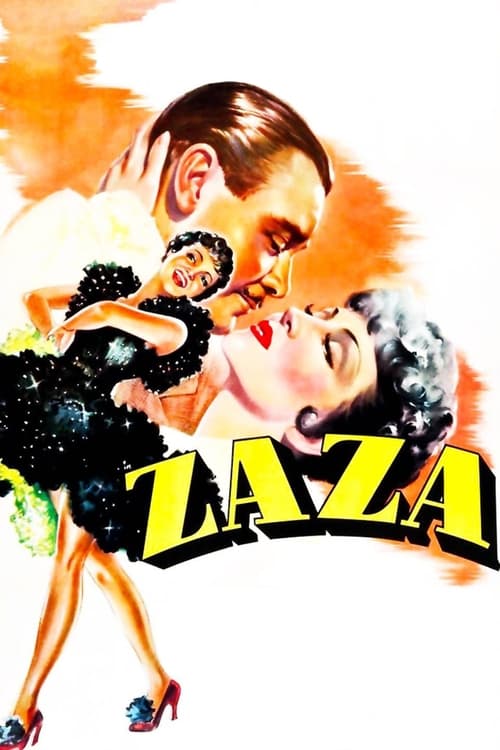
1939
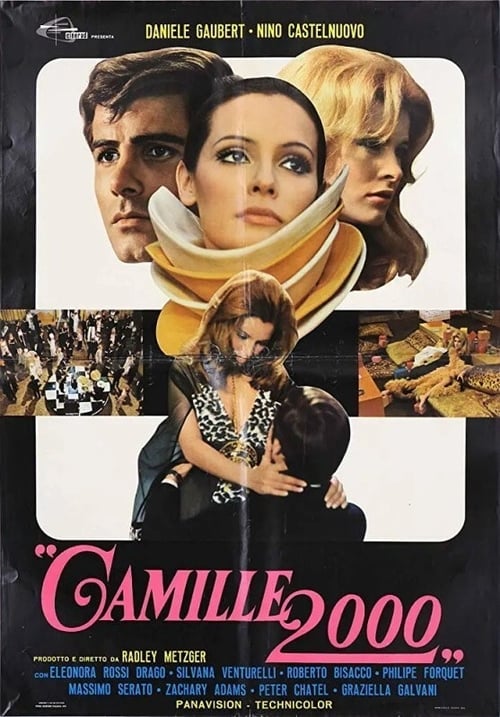
1969

1917
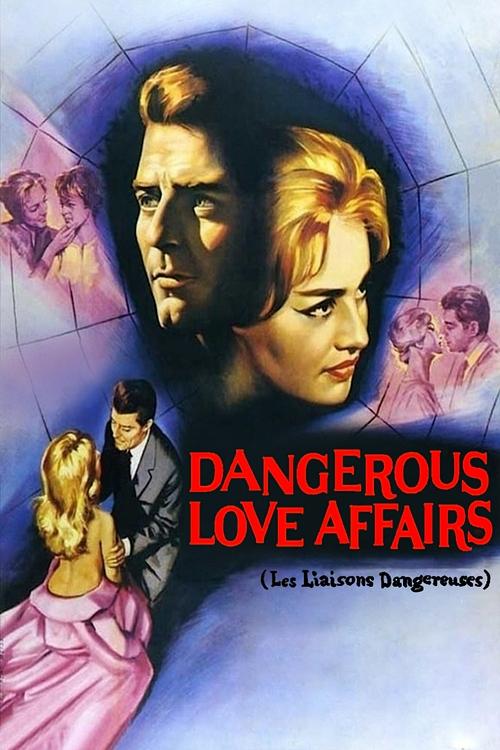
1959

1930

1956

1965
No reviews yet. Be the first to share your thoughts on this movie!
Use the rating form above to leave a star rating and optional review.