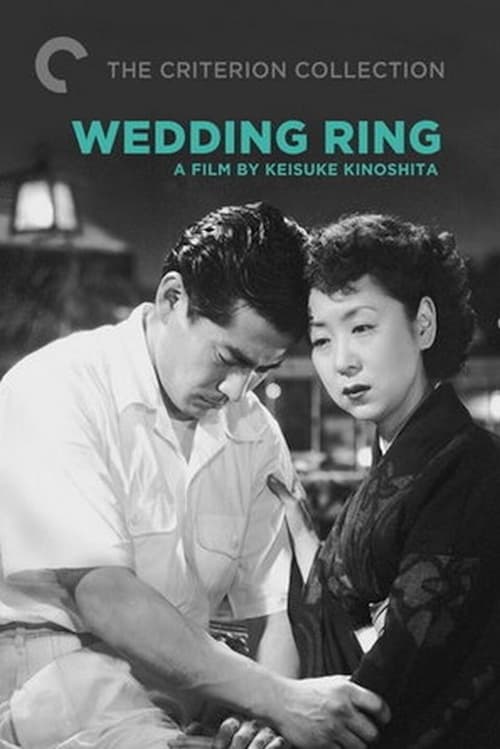
Wedding Ring
1950
No user ratings available yet
Representation score: 4.0 out of 10
Representation Score
Limited
1955
Director
Yūzō Kawashima
Runtime
115 minutes
Average Rating
No ratings yetNew Showbiz Analysis
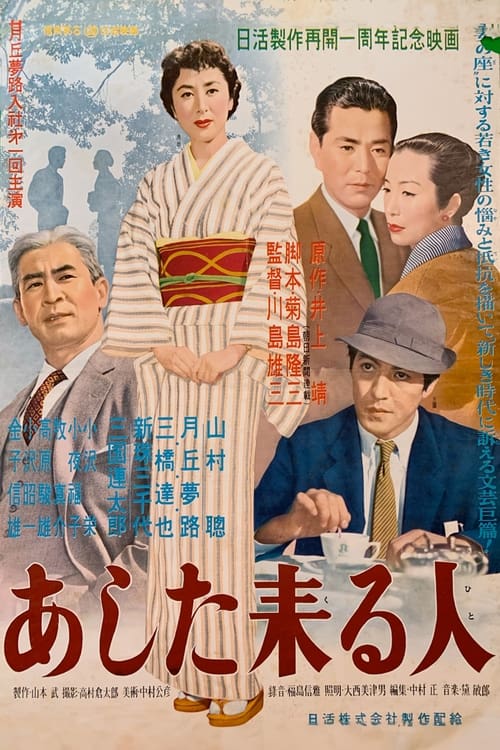
Till We Meet Again is a period-specific social drama that delves into the emotional complexities of mid-century domestic life. It centers on the interpersonal dynamics between a dedicated researcher, a disillusioned housewife, and a neglectful husband. The film adheres to the demographic norms and conventional narrative structures of 1950s Japanese cinema. While it offers character-driven insights into individual ability to act and marital dissatisfaction, it does not engage with multi-layered themes or systemic critiques.
Category Breakdown
The film focuses on a traditional love triangle and does not include any characters with LGBTQ+ identities or queer subtext.
Yachiyo's dissatisfaction with her marriage highlights her emotional struggles and provides a nuanced look at domestic life. She stands out as a character with strong emotional ability to act.
The cast is predominantly Japanese, reflecting the cultural context of the 1950s without engaging with diverse ethnic backgrounds.
Themes of sacrifice and devotion are explored through the lens of traditional social values. However, the film does not delve into systemic critiques or broader societal issues.
There are no characters in the film who navigate physical, sensory, or neurodivergent disabilities.
Present on Screen
Limited or Absent
Official Synopsis
Jiro Sone sacrifices all comfort to devote himself to research. Young housewife Yachiyo is disappointed with her husband Kappei, who is more attracted to mountain climbing and another girl. When Yachiyo’s father is introduced to Jiro, all of their lives become intertwined...
1950
1955
1956
1951
1956
1956
1981
1947
No reviews yet. Be the first to share your thoughts on this movie!
Use the rating form above to leave a star rating and optional review.