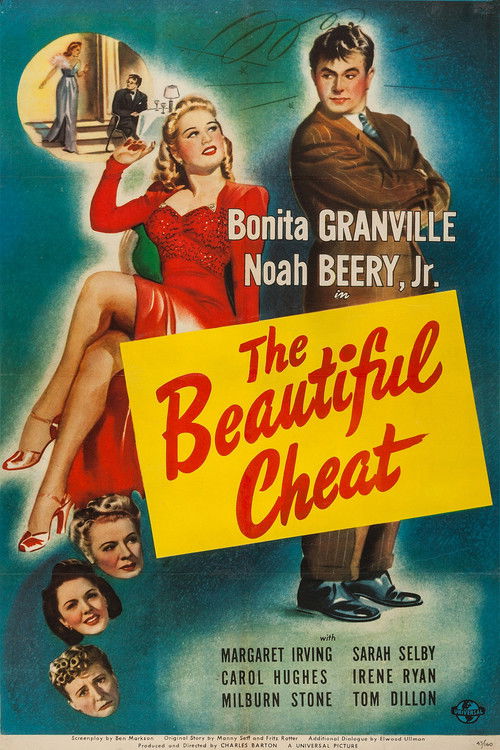
The Beautiful Cheat
1945
No user ratings available yet
Diversity score: 3.2 out of 10
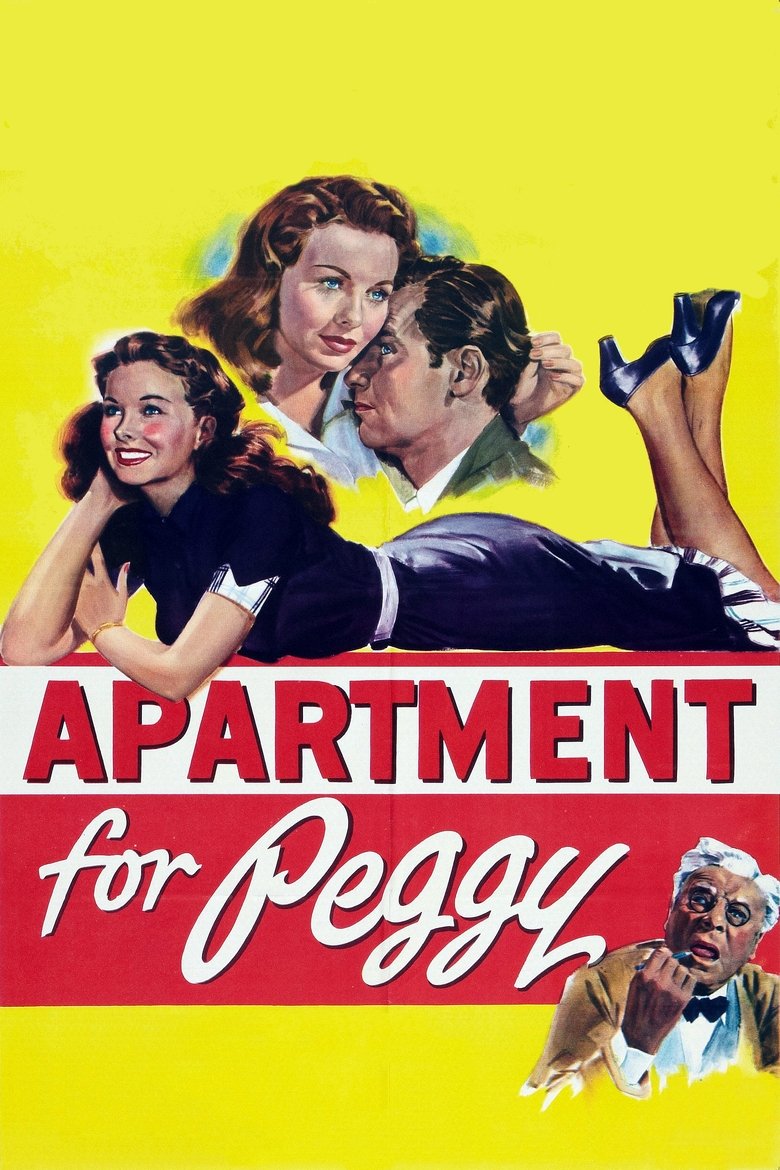
1948
NRDirector
George Seaton
Runtime
96 minutes
Average Rating
No ratings yetSynopsis
Professor Henry Barnes decides he's lived long enough and contemplates suicide. His attitude is changed by Peggy Taylor, a chipper young mother-to-be who charms him into renting out his attic as an apartment for her and her husband Jason, a former GI struggling to finish college.
Overall Score
Minimal
Category Breakdown
LGBTQ+ Representation
The film operates within a strictly heteronormative framework. The plot focuses on a traditional marriage and a mother-to-be, offering no visibility for non-cisnormative identities.
Gender Representation
Peggy Taylor is defined by domesticity and emotional labor. While she drives the plot, her character relies on traditional roles like being a 'chipper' expectant mother.
Racial & Ethnic Diversity
The narrative reflects the homogeneous casting standards of 1948. It centers on white, Western protagonists without evidence of a diverse cast or multi-ethnic perspectives.
Religious & Cultural Diversity
The story reinforces mid-century Western values by focusing on the nuclear family. It emphasizes post-war reintegration and the stability of domestic life.
Disability Representation
A mental health crisis is present through the protagonist's suicidal ideation. However, this serves as a dramatic plot device rather than a nuanced study of mental health.
Strengths
Areas for Improvement
AI Analysis
Apartment for Peggy is a conventional mid-century drama that prioritizes the restoration of social stability. The narrative relies on the 'life-affirming' trope, where a cynical man is revitalized by a young, optimistic couple. The film reinforces traditional hierarchies rather than challenging them. It centers on the nuclear family, marriage, and post-war reintegration, adhering to the normative cultural parameters of the late 1940s. Ultimately, the work functions as a standard melodrama. It lacks meaningful representation of marginalized identities, focusing instead on established social structures and domestic continuity.
1945
1947

2015
1939
1960
1951
1957

1959
No reviews yet. Be the first to share your thoughts on this movie!
Use the rating form above to leave a star rating and optional review.