The Talk of the Town
1942
No user ratings available yet
Representation score: 2.5 out of 10
Representation Score
Minimal
1951
ApprovedDirector
Joseph M. Newman
Runtime
84 minutes
Average Rating
No ratings yetNew Showbiz Analysis
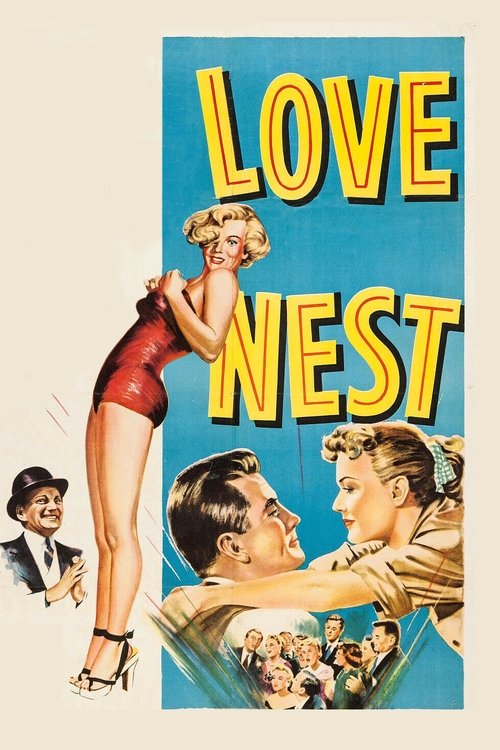
Love Nest is a conventional mid-century domestic comedy that prioritizes the preservation of the nuclear family and socioeconomic stability. The film functions as a product of its era, reinforcing established social hierarchies rather than challenging them. The narrative lacks diversity in terms of race, gender roles, and sexual orientation. It operates within a narrow, Anglo-Saxon-centric framework that focuses on middle-class financial pressures and traditional marital dynamics. Ultimately, the film offers no disruption to the status quo, serving as a standard example of 1950s studio storytelling centered on domesticity and institutional stability.
Category Breakdown
The film adheres strictly to the assumption that everyone is straight or cisgender. There is no presence of queer identities or same-sex intimacy within the narrative.
Domestic frictions between a married couple drive the plot, reinforcing traditional gender roles. While Roberta introduces tension, the story lacks significant portrayals of female empowerment.
The cast reflects a homogeneous social environment typical of postwar New York. There is no evidence of racial blending or non-white majority casting.
The narrative promotes Western social structures and middle-class stability. It focuses on maintaining property and resolving financial discord through conventional, pro-institution means.
Characters are presented within a standard framework of able-bodiedness. There are no discernible depictions of physical or neurodivergent disabilities.
Present on Screen
Limited or Absent
Official Synopsis
Jim and Connie's postwar New York building troubles keep Jim from working on his novel. Ex-WAC from Jim's army days Roberta moves in, further upsetting Connie but pleasing Jim's friend Ed. Tenant Charley, who marries tenant Eadie, loans money to Jim to help him keep the building, money which this Casanova obtains from rich widows.
1942
1960
1952
1935
1938
1939
1931

1948
No reviews yet. Be the first to share your thoughts on this movie!
Use the rating form above to leave a star rating and optional review.