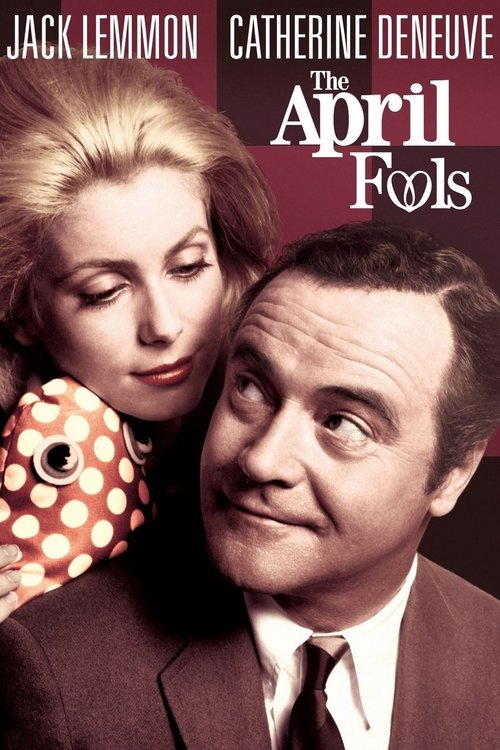
The April Fools
1969
No user ratings available yet
Representation score: 4.4 out of 10
Representation Score
Minimal
1960
NRDirector
Melvin Frank
Runtime
103 minutes
Average Rating
No ratings yetNew Showbiz Analysis
Melvin Frank’s film operates as a character-driven romantic comedy that delves into the intricacies of adult desire. While it slightly deviates from strict domestic archetypes by highlighting marital dissatisfaction, it remains firmly rooted in the social norms of its time. The film does not engage with the overlapping aspects of identity or racial diversity. Its exploration of social pretense is confined to interpersonal dynamics rather than broader systemic or cultural critiques. Ultimately, the narrative structure stays anchored in the traditional social hierarchies of the mid-20th century, emphasizing witty dialogue over challenging societal norms.
Category Breakdown
The film focuses on the romantic relationship between two married individuals. It does not include any LGBTQ+ characters or critique of the assumption that everyone is straight or cisgender, sticking to the social norms of 1960s cinema.
Kitty’s unhappiness with her marriage presents a moderate challenge to traditional domestic roles. While she seeks personal fulfillment outside her domestic life, her actions remain tied to romantic clichés.
The story revolves around a homogeneous, middle-class white demographic. There is no indication of racial diversity or non-white characters within the suburban setting.
The story introduces moral relativism by framing infidelity as a means for self-discovery. However, it lacks broader systemic critiques, focusing instead on individualistic fulfillment within conventional frameworks.
There are no characters with visible or invisible disabilities identified within the main narrative or character descriptions.
Present on Screen
Limited or Absent
Official Synopsis
Middle-class suburbanites Larry and Kitty grow bored with their lives and respective marriages. Although each always found the other's manner grating, they fall in love when thrown together--without their spouses--on vacation. On returning home they try to break things off, only to grow closer. A holiday together will finally settle whether they should end their marriages.
1969
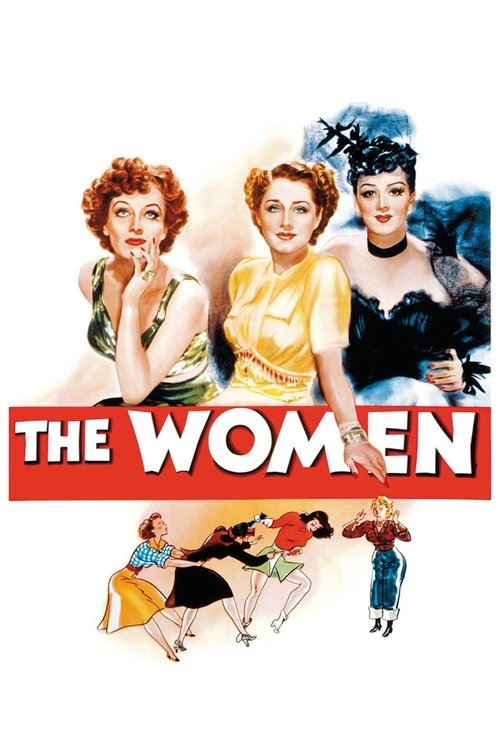
1939
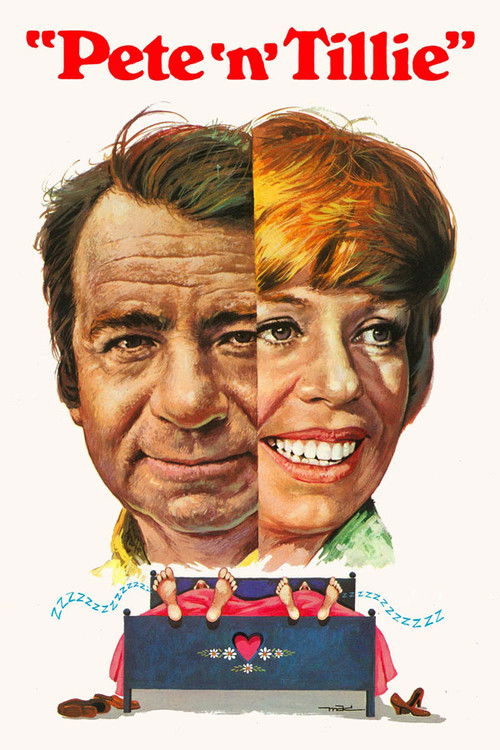
1972
1972
1965
1955

1959
1949
No reviews yet. Be the first to share your thoughts on this movie!
Use the rating form above to leave a star rating and optional review.