
Salvador (Puig Antich)
2006
No user ratings available yet
Diversity score: 6.7 out of 10
2014
Director
João Jardim
Runtime
100 minutes
Average Rating
No ratings yetSynopsis
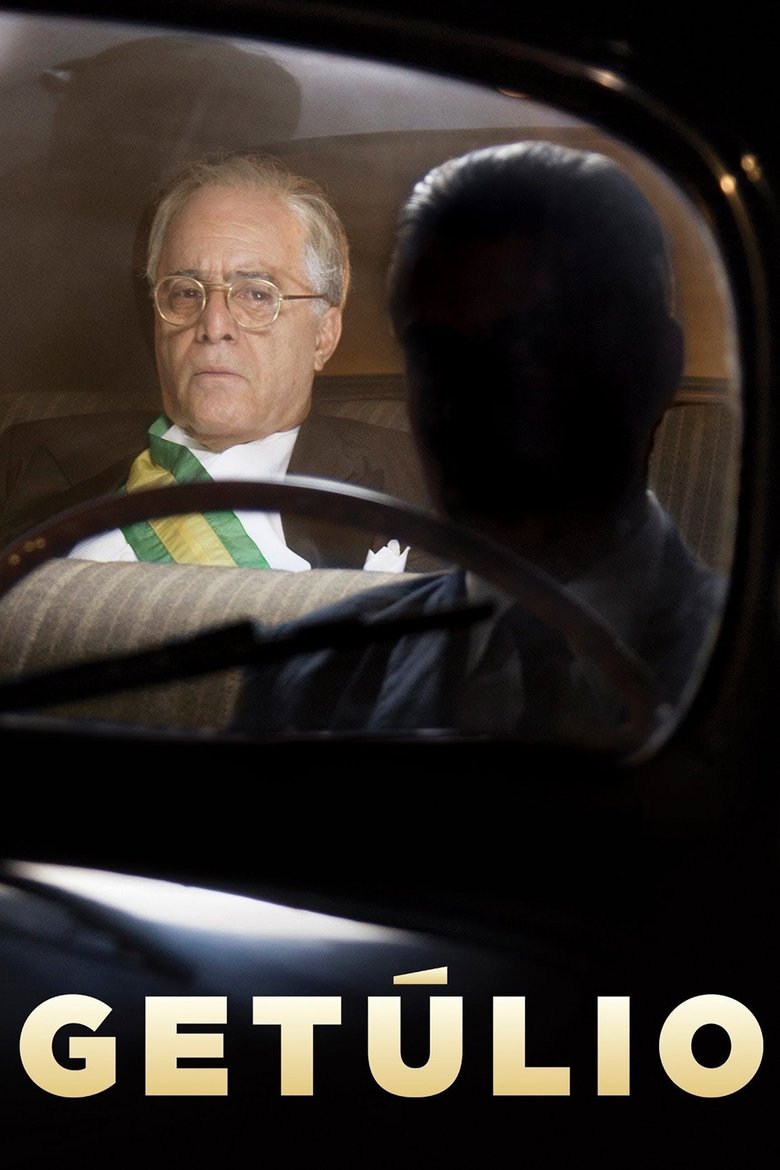
The movie depicts the political crisis that led to the suicide of president Getúlio Vargas, in the 19 days that preceded August 24, 1954. The crisis began with the attempted assassination of journalist and politician Carlos Lacerda in August 5, 1954, at rua Toneleros, Rio de Janeiro, in which Major Vaz was assassinated instead. Investigations pointed to Gregório Fortunato, chief of Vargas' personal guard, as the orderer of the frustrated assassination. This incident was one of the most importants in the history of Brazil.
Overall Score
Fair
Category Breakdown
LGBTQ+ Representation
The film centers on a masculine, high-stakes political environment. While it lacks explicit non-heteronormative arcs, it offers a nuanced look at the breakdown of patriarchal composure.
Gender Representation
The narrative operates within a traditional, male-dominated sphere. Female agency remains largely peripheral to the central crisis, reflecting the gendered power structures of the 1950s.
Racial & Ethnic Diversity
The film moves away from Anglo-centric perspectives by depicting various Brazilian social strata. The inclusion of Gregório Fortunato adds complex layers of racial and class dynamics.
Religious & Cultural Diversity
The film excels by critiquing Western-style institutional stability. It deconstructs the concept of the 'strongman' leader, presenting a morally ambiguous view of authority and state decay.
Disability Representation
There is no evidence of characters with visible or invisible disabilities driving the narrative.
Strengths
Areas for Improvement
AI Analysis
Getúlio is a sophisticated psychological study that disrupts the conventional 'great man' theory of history. By focusing on the disintegration of power rather than its exercise, the film challenges idealized narratives of national stability. The production succeeds in providing a non-Anglo-centric view of political collapse, utilizing the 1954 crisis to explore systemic corruption. It moves beyond monolithic portrayals of power by incorporating diverse social strata and complex class dynamics. However, the film is constrained by the historical setting. It remains largely tethered to the patriarchal and heteronormative realities of mid-century Brazil, leaving female and LGBTQ+ identities on the periphery of the central drama.
2006
2024

2024
2010
2014
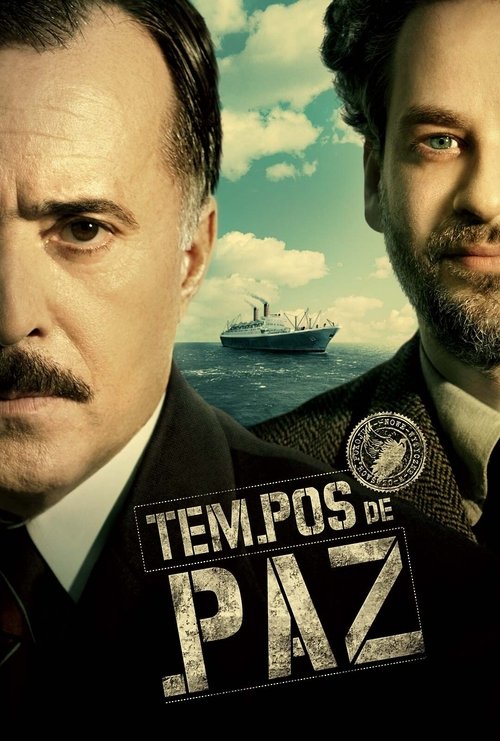
2009
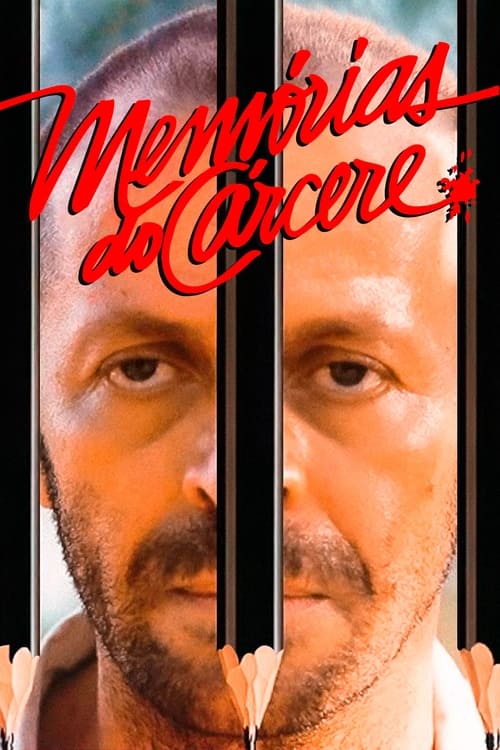
1984

1989
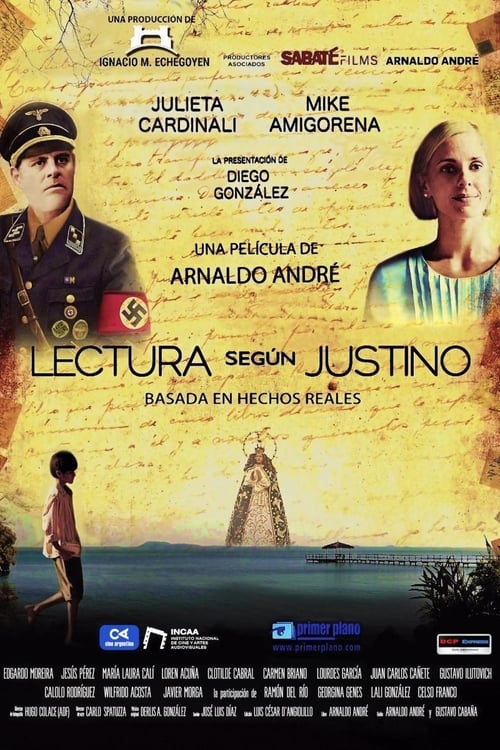
2013

2020

2022

2016
No reviews yet. Be the first to share your thoughts on this movie!
Use the rating form above to leave a star rating and optional review.