Charlie Chan at Treasure Island
1939
No user ratings available yet
Diversity score: 2.9 out of 10
1939
NRDirector
Norman Foster
Runtime
70 minutes
Average Rating
No ratings yetSynopsis
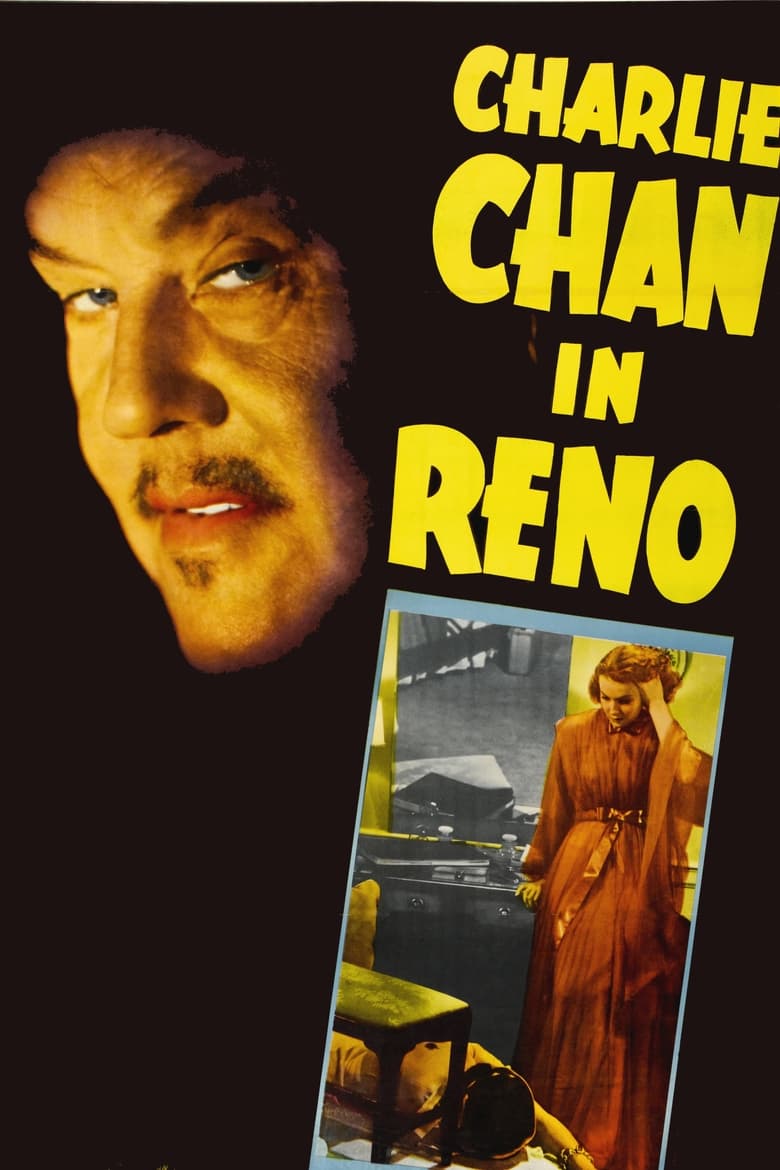
Mary Whitman has gone to Reno to obtain a divorce. While there she is arrested on suspicion of murdering a fellow guest at her hotel (which specializes in divorcers). There are many others at the hotel who wanted the victim out of the way. Charlie comes from his home in Honolulu to solve the murder.
Overall Score
Limited
Category Breakdown
LGBTQ+ Representation
The film contains no identifiable LGBTQ+ characters or non-cisnormative identities. It adheres strictly to the heteronormative mystery structures common in 1939.
Gender Representation
Female characters often occupy archetypal roles, such as socialites or divorcees, serving as plot catalysts. While Mary Whitman initiates the story, her agency is quickly overshadowed by a male-driven investigation.
Racial & Ethnic Diversity
Sidney Toler’s portrayal of Charlie Chan provides a rare instance of racial diversity for the era. The character displays high intellectual agency, though the performance remains shaped by period-specific exoticism.
Religious & Cultural Diversity
The narrative operates within a traditional Western framework focused on high-society Reno. It reinforces social stability and legal order rather than critiquing Western institutions or morality.
Disability Representation
No characters with visible or invisible disabilities are central to the story. Disability is neither featured nor used as a narrative device.
Strengths
Areas for Improvement
AI Analysis
Charlie Chan in Reno is a product of the 1939 studio system, balancing progressive casting with conservative narrative structures. The film's primary strength lies in its subversion of racial homogeneity through its central protagonist. However, the film remains tethered to the era's social hierarchies. Female characters lack true autonomy, and the cultural perspective is strictly Western and institutional. While the detective's intellect challenges racial tropes, the film's overall framework is deeply traditionalist.
1939
1945
1945
1939
1935
1942
1939
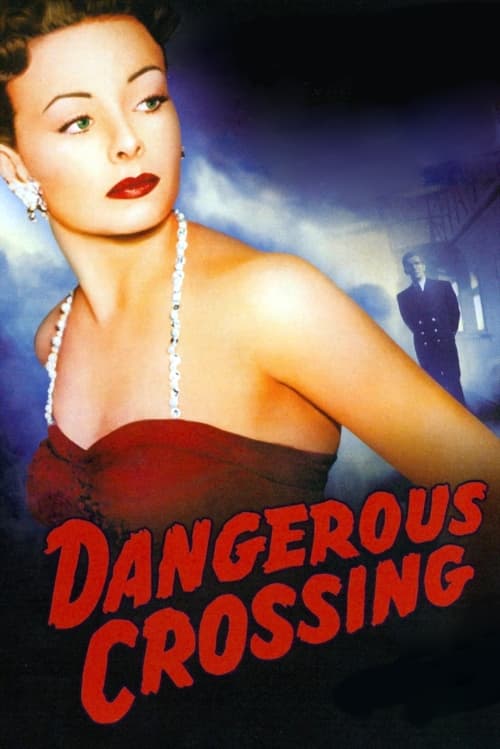
1953
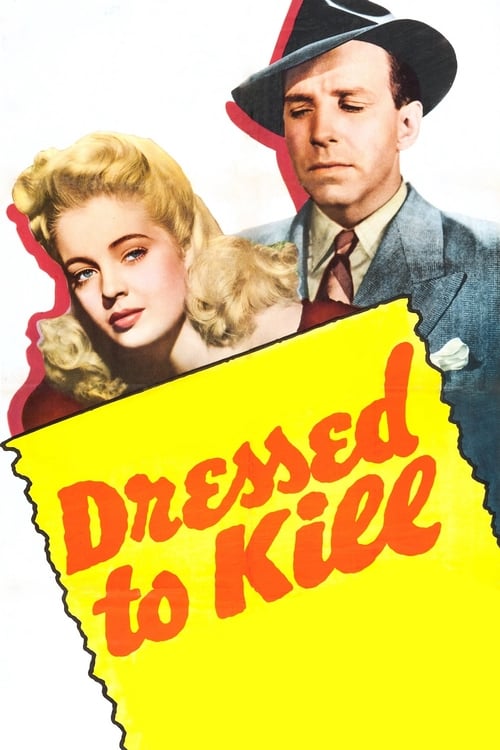
1941
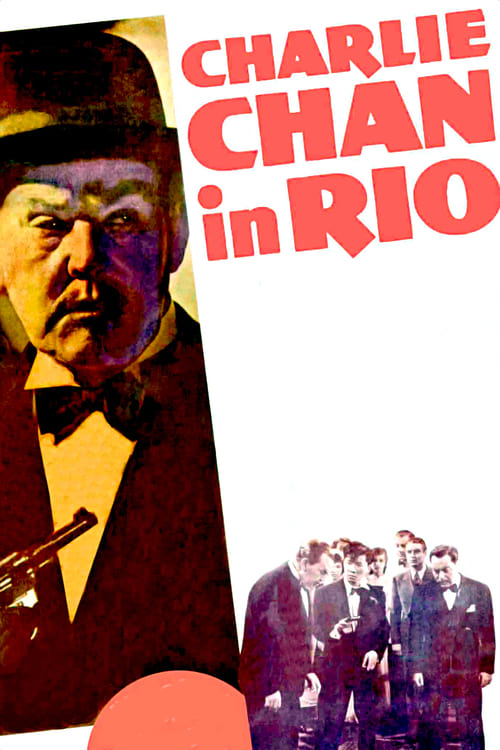
1941
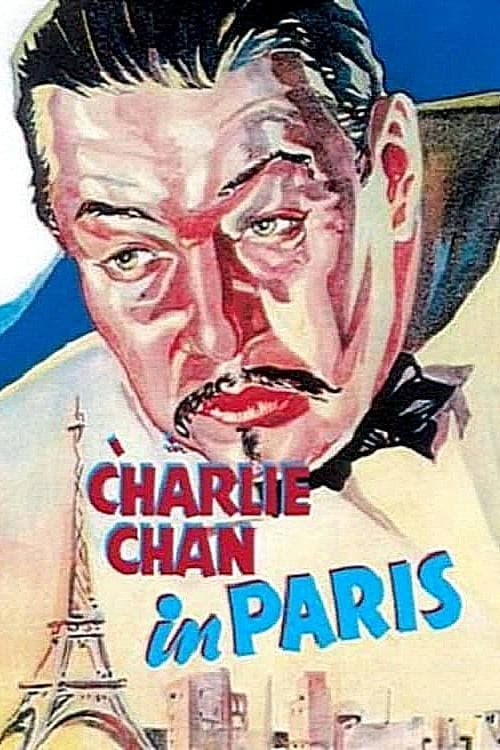
1935
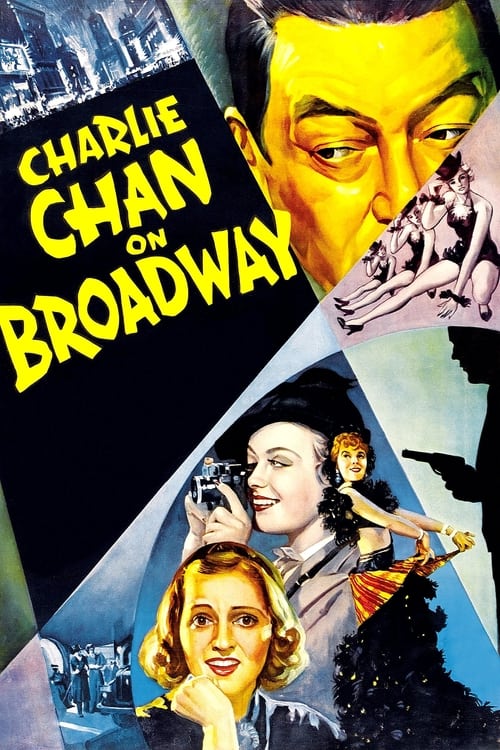
1937
No reviews yet. Be the first to share your thoughts on this movie!
Use the rating form above to leave a star rating and optional review.