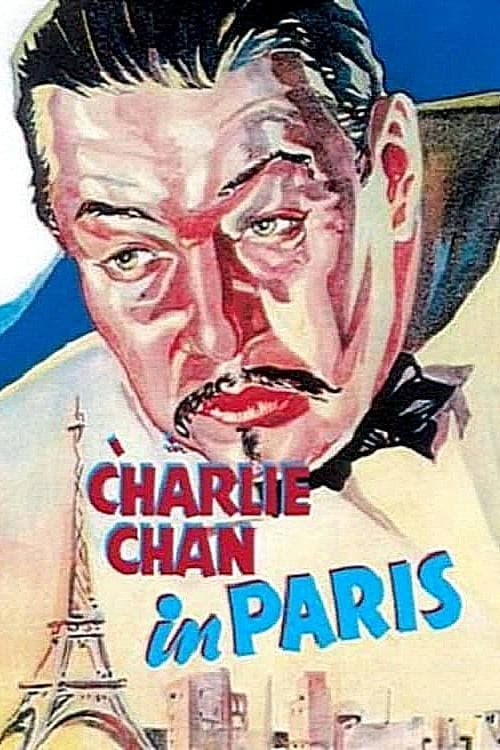
Charlie Chan in Paris
1935
No user ratings available yet
Representation score: 1.3 out of 10
Representation Score
Minimal
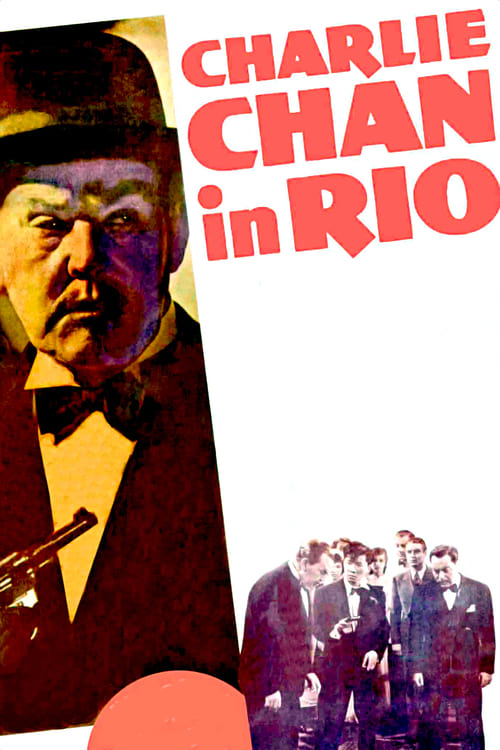
1941
NRDirector
Harry Lachman
Runtime
60 minutes
Average Rating
No ratings yetNew Showbiz Analysis
Charlie Chan in Rio stands as a transitional piece of 1940s cinema. Its primary strength lies in the central protagonist, a person of color who holds a position of intellectual authority. This provides a significant departure from the homogeneous casting norms of the era. However, the film remains heavily tied to the social hierarchies and gendered clichés of its time. The narrative prioritizes a standard 'whodunit' formula over any meaningful exploration of diverse identities or the deconstruction of power dynamics. Ultimately, while the lead character offers a significant moment of racial representation, the surrounding framework remains traditional and limited in its social scope.
Category Breakdown
The film follows a conventional structure typical of 1940s mystery cinema, focusing on heterosexual relationships. There are no characters with non-binary gender identities or same-sex intimacy.
Female characters primarily serve as suspects, victims, or romantic interests. They lack independent roles and function mainly as traditional archetypes within a gender hierarchy.
Sidney Toler, a Chinese-American detective, provides notable racial representation. His intellectual authority in an international setting challenges the era's standard Anglo-Saxon-centric casting norms.
The story focuses on high-society settings and material pursuits like stolen diamonds. It reinforces Western narrative structures rather than exploring secularism or moral relativism.
There is no discernible representation of physical or neurodivergent disabilities in the narrative.
Present on Screen
Limited or Absent
Official Synopsis
In Rio de Janiero to arrest a nightclub singer on suspicion of a murder in Hawaii, Charlie Chan becomes involved with the Rio police in solving the singer's own murder.
1935
1942
1936

1940
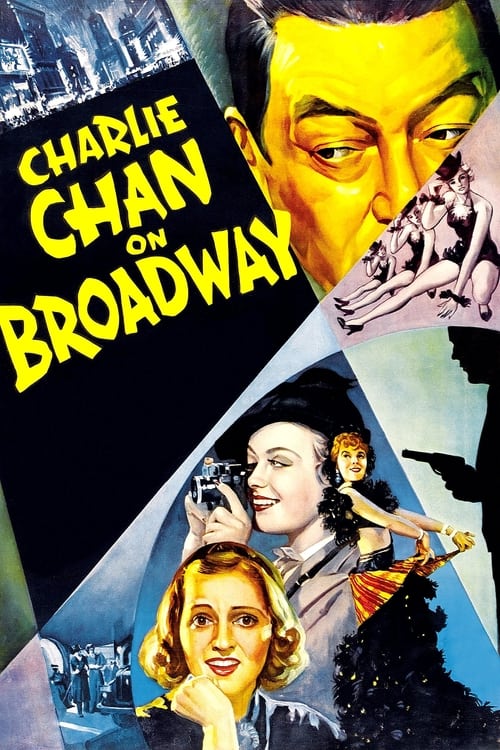
1937
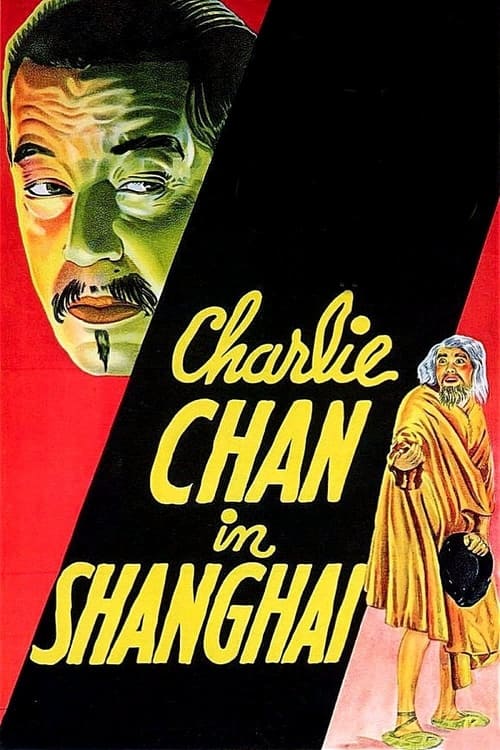
1935
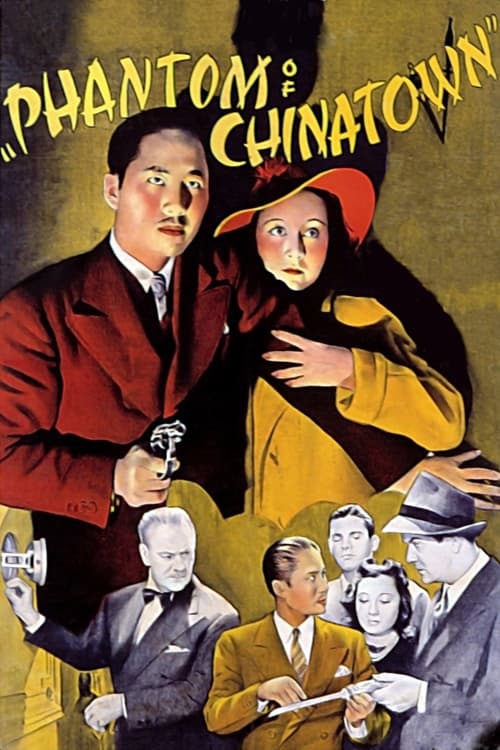
1940
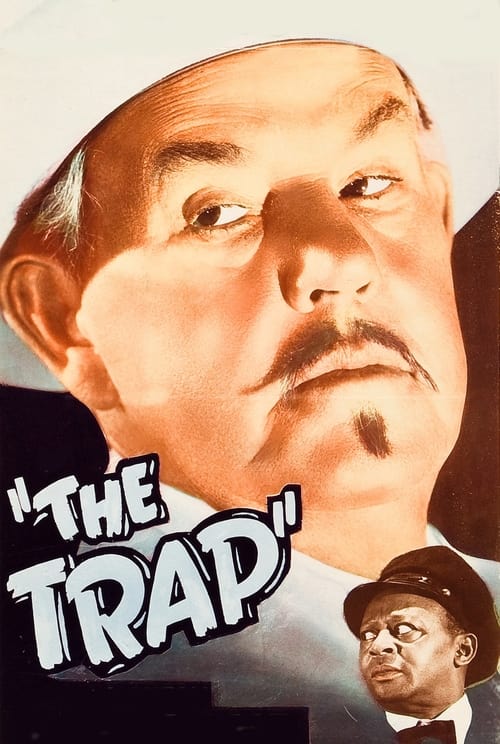
1946
No reviews yet. Be the first to share your thoughts on this movie!
Use the rating form above to leave a star rating and optional review.