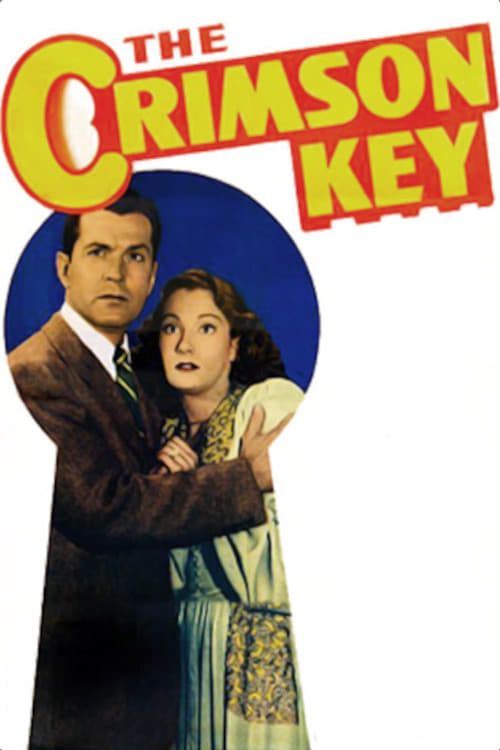
The Crimson Key
1947
No user ratings available yet
Representation score: 1.4 out of 10
Representation Score
Limited
1941
ApprovedDirector
Eugene Forde
Runtime
74 minutes
Average Rating
No ratings yetNew Showbiz Analysis
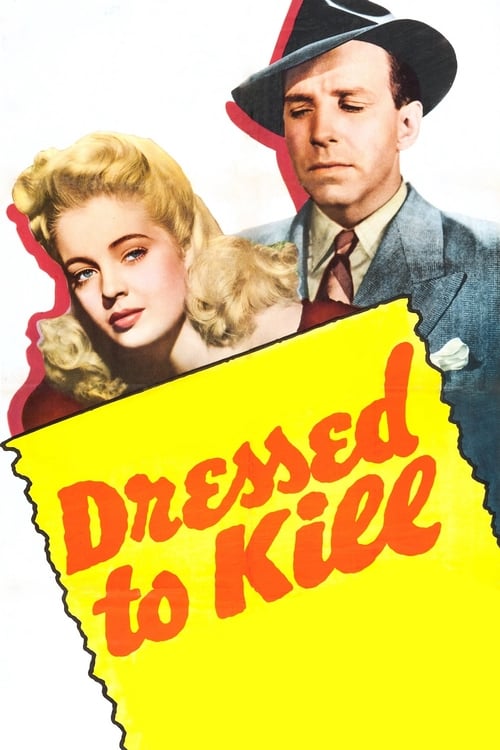
Dressed to Kill is a traditional 1940s mystery that prioritizes genre-driven plot mechanics over social representation. The film adheres strictly to the cinematic and social constraints of its era, reinforcing established hierarchies rather than subverting them. The narrative lacks meaningful diversity, centering on a homogeneous cast and conventional gender roles. While a female lead provides a presence in a high-stakes environment, the power dynamics remain rooted in mid-century norms. Ultimately, the film functions as a standard B-movie thriller. It focuses on the mechanics of crime and deception without exploring underrepresented identities or systemic social critiques.
Category Breakdown
The film does not include any characters with non-traditional gender identities or same-sex relationships. It follows the conventional structures typical of 1940s dramas.
A female protagonist navigates a male-dominated criminal underworld. However, she often functions through the lens of vulnerability or as a catalyst for male action rather than challenging traditional hierarchies.
The film likely reflects the homogeneous casting practices of the early 1940s. It centers on a white, Anglo-Saxon cast without significant diversity.
Themes of crime and deception serve as genre clichés for tension. The narrative focuses on criminal consequences rather than critiquing Western institutions or political ideologies.
There is no documented evidence of characters with visible or invisible disabilities. No such characters are utilized as plot devices or portrayed with significant influence.
Present on Screen
Limited or Absent
Official Synopsis
A detective's wedding is postponed when gunshots are heard nearby.
1947
1946
1945

1948
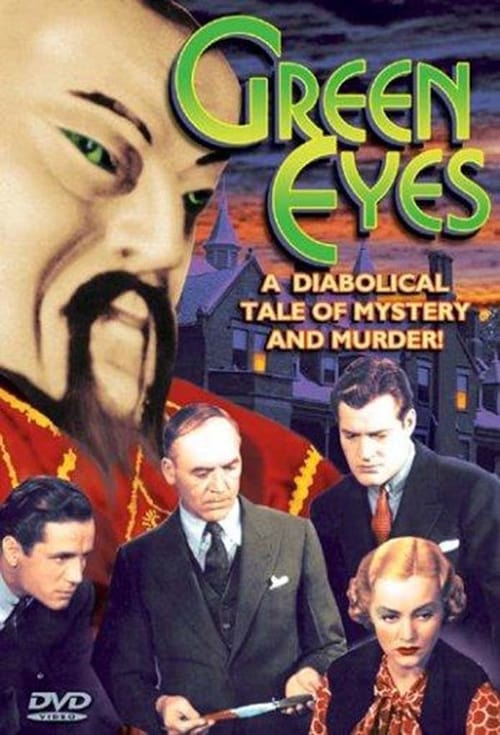
1934
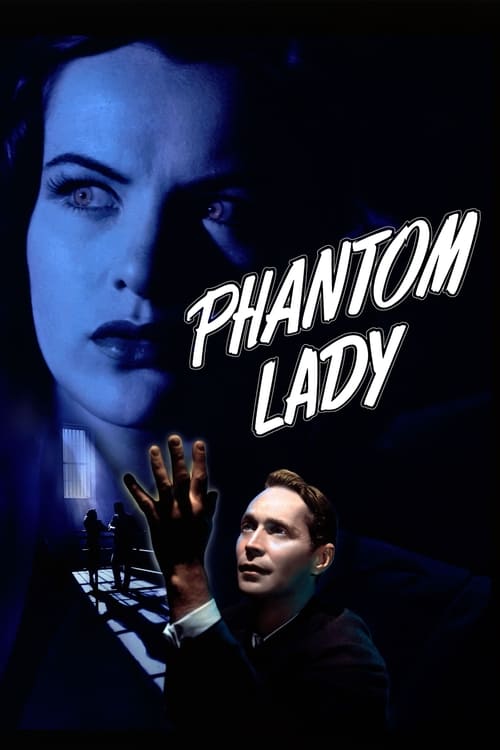
1944
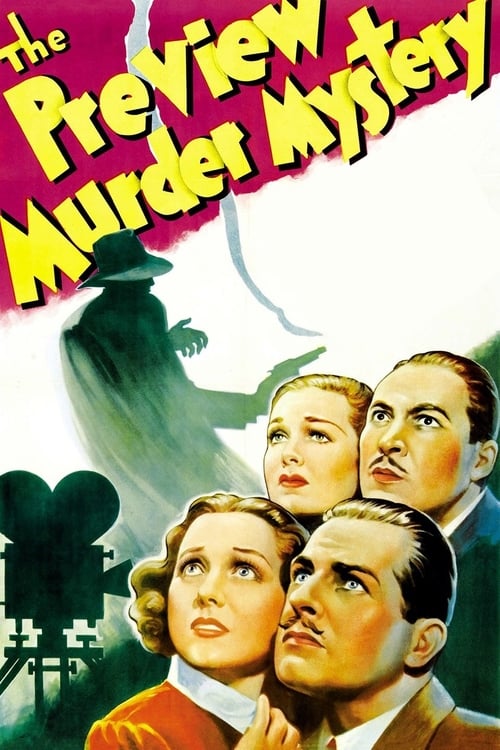
1936
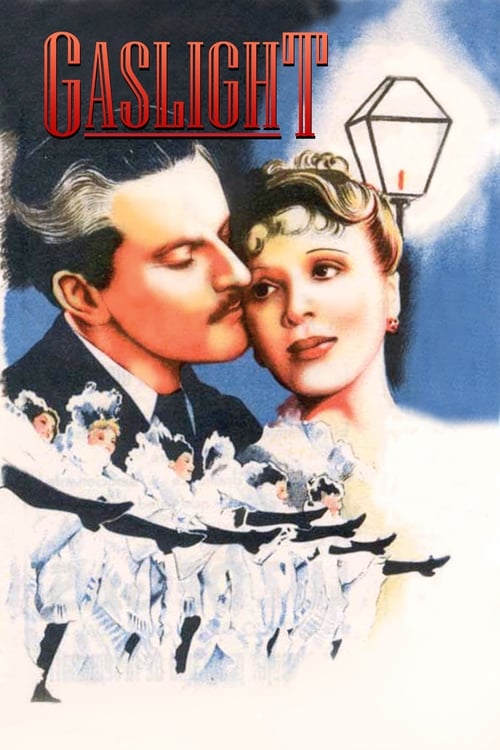
1940
No reviews yet. Be the first to share your thoughts on this movie!
Use the rating form above to leave a star rating and optional review.