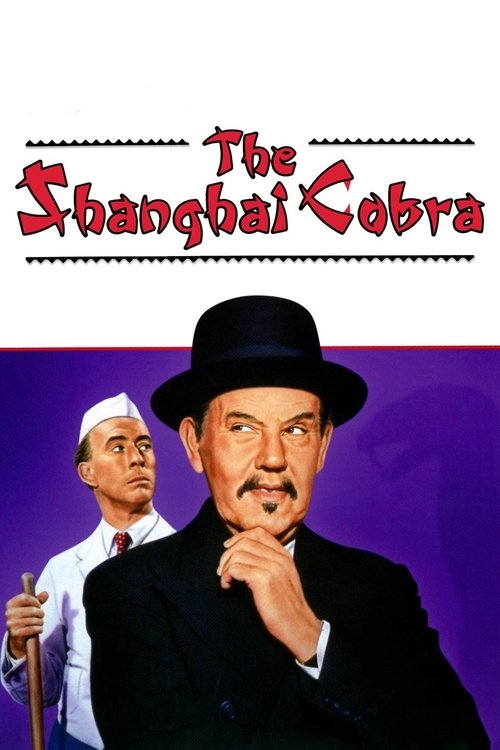
The Shanghai Cobra
1945
No user ratings available yet
Representation score: 1.5 out of 10
Representation Score
Minimal
1945
NRDirector
Phil Rosen
Runtime
65 minutes
Average Rating
No ratings yetNew Showbiz Analysis
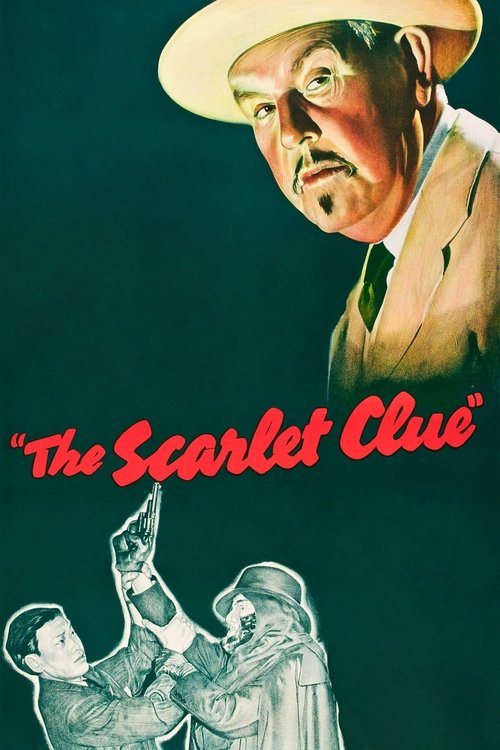
The Scarlet Clue operates as a conventional mid-century mystery-thriller, deeply influenced by the social norms of 1945. Its main contribution to diversity lies in the inclusion of a non-white protagonist, which was unusual for its time. However, this racial representation is offset by a lack of depth in other areas. The film upholds traditional gender hierarchies and does not explore any queer subtext or disability themes. Ultimately, the film prioritizes genre stability and the reinforcement of state institutions over progressive social commentary or multi-layered storytelling.
Category Breakdown
The film does not include any characters with non-binary or LGBTQ+ identities, nor does it feature any same-sex relationships. It follows the traditional assumption that everyone is straight or cisgender.
Women in the film primarily serve roles defined by their relationships to the male protagonist or the mystery. There is little evidence of women taking leading roles or challenging masculine leadership.
The inclusion of Charlie Chan, a Chinese detective, offers a rare example of racial representation in mainstream Western cinema of this era. This breaks the usual homogeneity of the detective genre.
The story emphasizes mid-century morality and Western institutional values. The plot centers on safeguarding government property and restoring social order through legal means.
The film does not feature any characters with visible or invisible disabilities. Disability is not used as a theme or tool for character development.
Present on Screen
Limited or Absent
Official Synopsis
Chinese sleuth Charlie Chan discovers a scheme for the theft of government radar plans while investigating several murders.
1945

1942

1939
1939

1941
1940
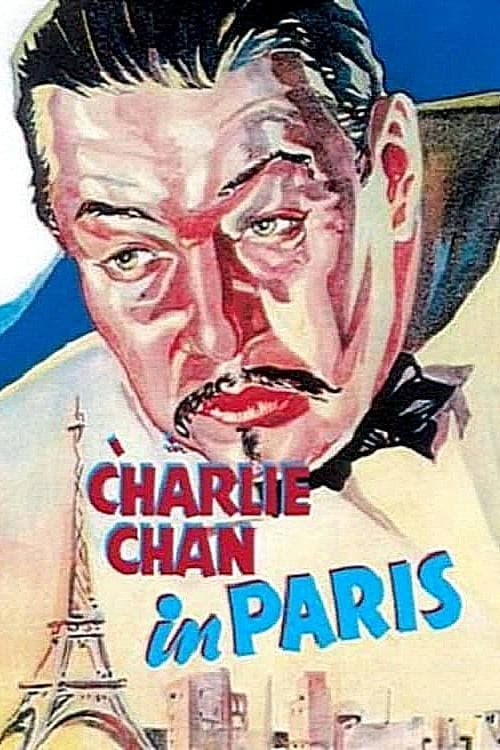
1935
1944
No reviews yet. Be the first to share your thoughts on this movie!
Use the rating form above to leave a star rating and optional review.