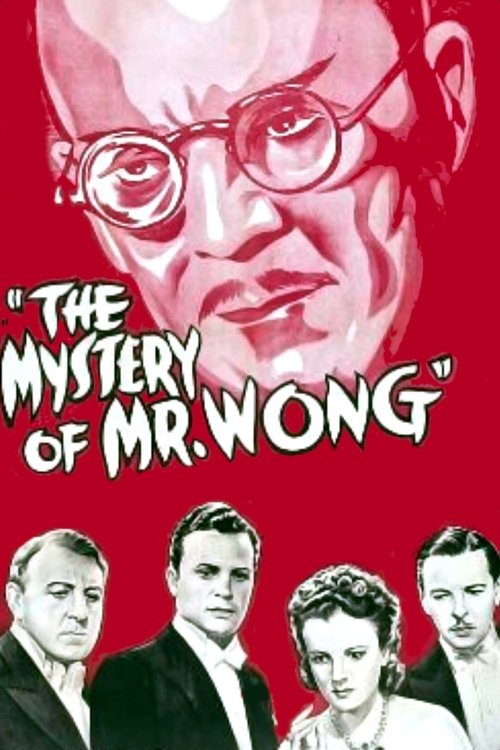
The Mystery of Mr. Wong
1939
No user ratings available yet
Representation score: 1.1 out of 10
Representation Score
Minimal
1935
NRDirector
William Nigh
Runtime
63 minutes
Average Rating
No ratings yetNew Showbiz Analysis
The film stands as a complex reflection of 1930s cinema, balancing the pioneering performance of Anna May Wong with the era's limiting clichés. While Wong's leading role marks a notable shift from the period's standards, the script leans heavily on 'Yellow Peril' stereotypes. The narrative employs Eastern mythology to generate tension rather than offering a nuanced cultural portrayal. This framing reinforces a sense of 'otherness' that was characteristic of early Hollywood mystery films. Overall, the film occupies a transitional space, providing a platform for a performer of color while simultaneously perpetuating the very stereotypes that historically sidelined such individuals.
Category Breakdown
The film does not include any recognizable LGBTQ+ characters or themes. The interpersonal dynamics revolve around a traditional reporter and his female companion.
A central female lead offers a departure from typical male-dominated detective stories. However, the narrative depends on traditional gender roles between the reporter and his female companion.
The film showcases a Chinese-centric Chinatown and stars Anna May Wong. Although it avoids complete Anglo-Saxon dominance, it relies on 'mysterious outsider' clichés common to the time.
Eastern mysticism, particularly the Twelve Coins of Confucius, is used to create suspense and a sense of danger. The film presents these elements through a Western mystery perspective.
There are no visible or hidden depictions of disability in the narrative.
Present on Screen
Limited or Absent
Official Synopsis
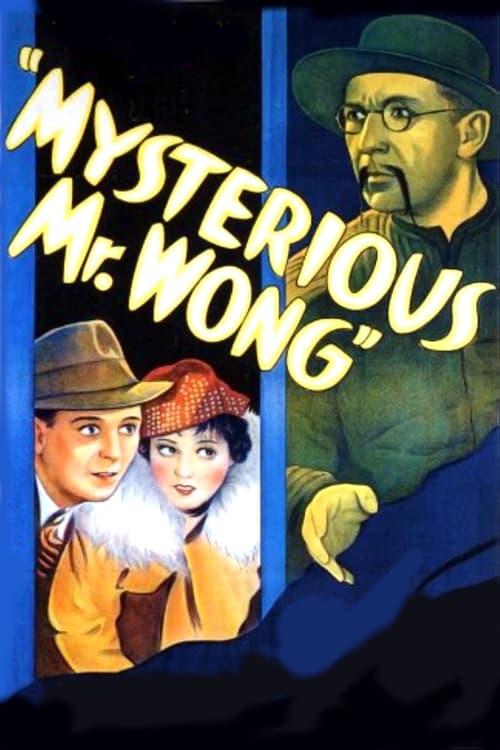
Mr. Wong is a "harmless" Chinatown shopkeeper by day and relentless blood-thirsty pursuer of the Twelve Coins of Confucius by night. With possession of the coins, Mr. Wong will be supreme ruler of the Chinese province of Keelat, and his evil destiny will be fulfilled. A killing spree follows in dark and dangerous Chinatown as Wong gets control of 11 of the 12 coins. Reporter Jason Barton and his girl Peg are hot on his trail, but soon find themselves in serious trouble when they stumble onto Wong's headquarters.
1939
1933

1939
1942
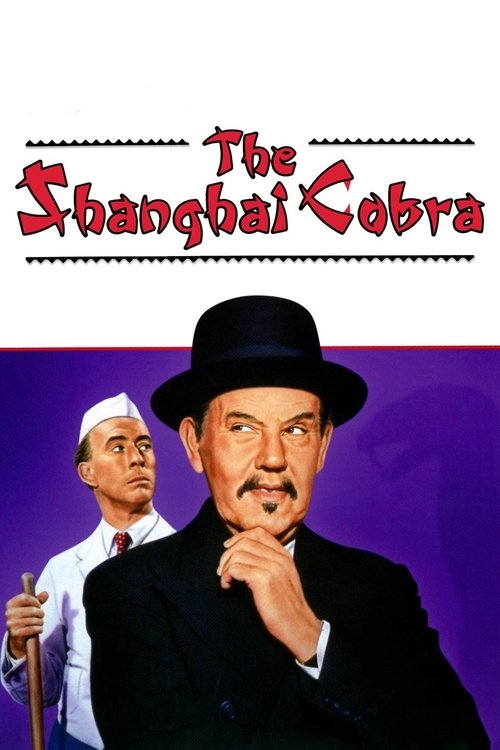
1945
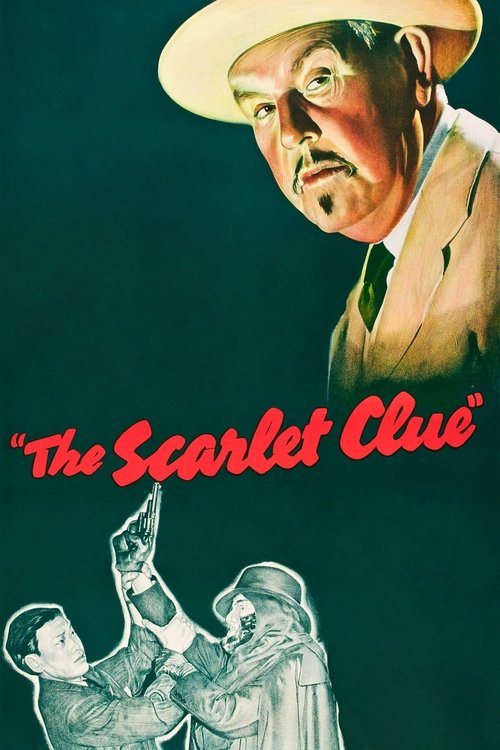
1945
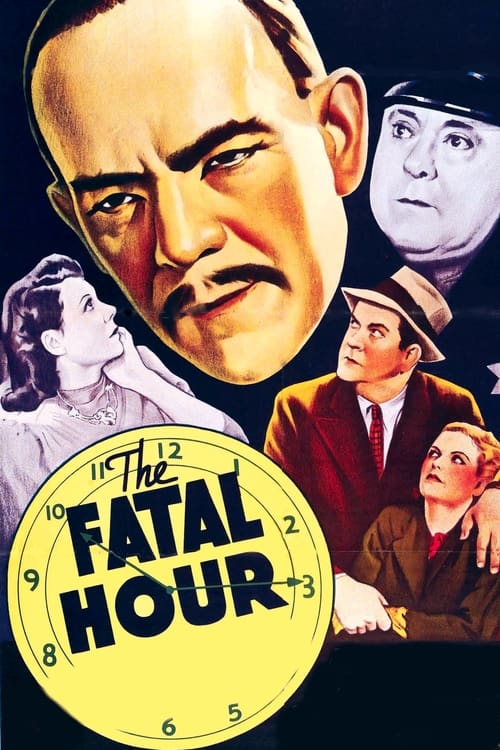
1940
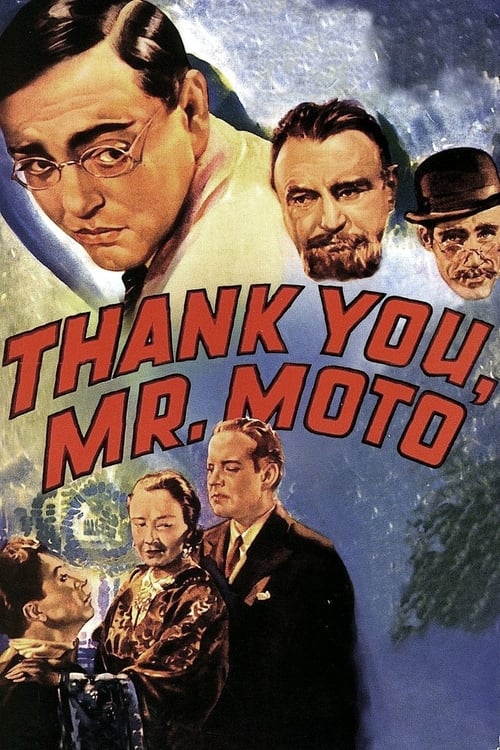
1937
No reviews yet. Be the first to share your thoughts on this movie!
Use the rating form above to leave a star rating and optional review.