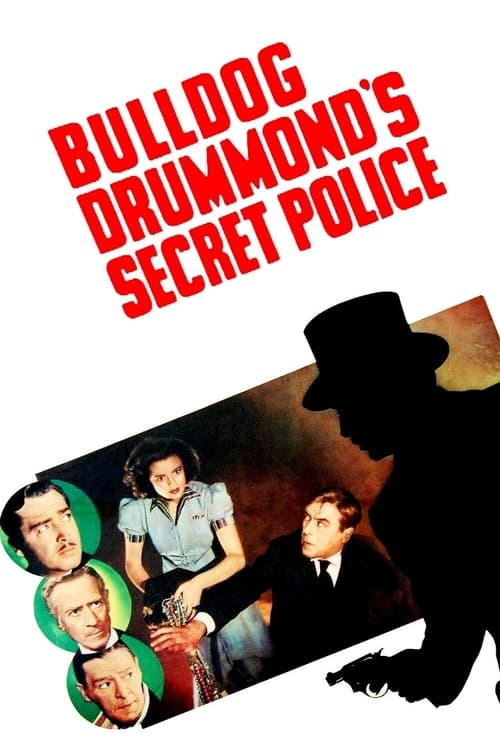
Bulldog Drummond's Secret Police
1939
No user ratings available yet
Diversity score: 1.3 out of 10
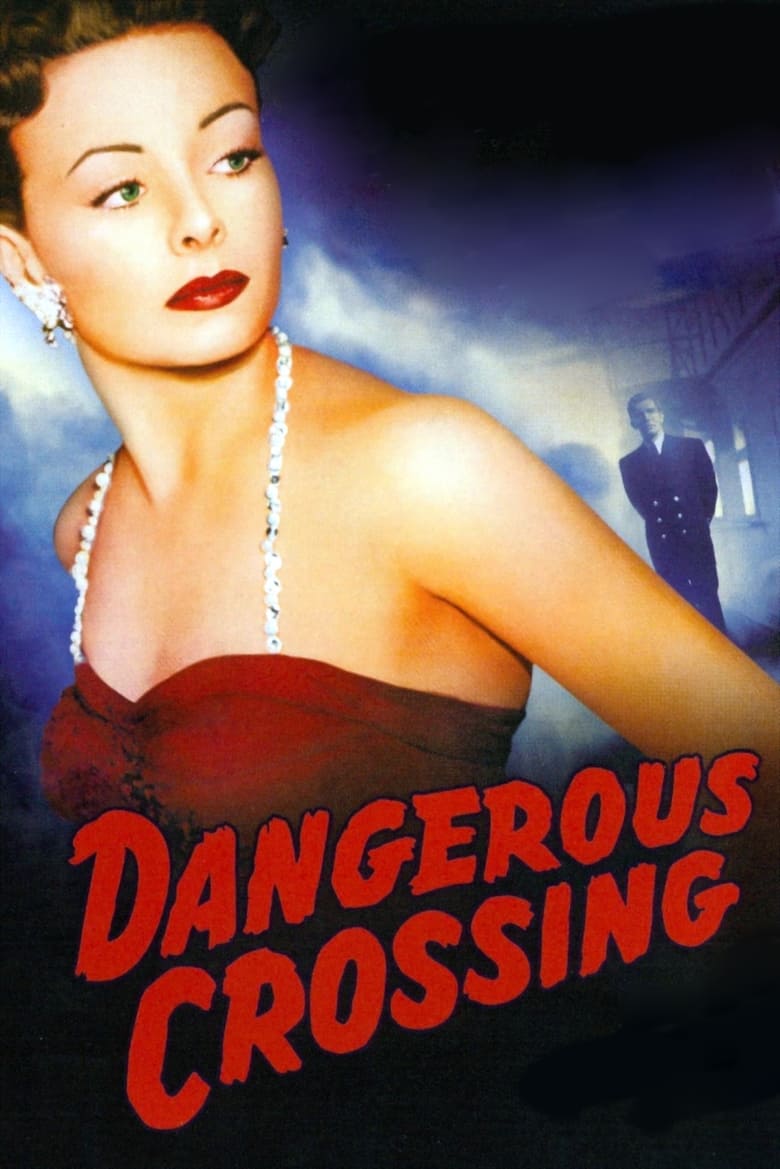
1953
ApprovedDirector
Joseph M. Newman
Runtime
75 minutes
Average Rating
No ratings yetSynopsis
A honeymoon aboard an ocean liner is cut short when the bride finds herself suddenly alone, and unable to convince anyone of her husband’s existence.
Overall Score
Minimal
Category Breakdown
LGBTQ+ Representation
The film lacks any discernible LGBTQ+ characters or non-cisnormative identities. The plot centers entirely on a traditional heterosexual honeymoon.
Gender Representation
The female protagonist drives the emotional tension but remains constrained by a noir framework. Her agency is defined by her relationship to her missing husband.
Racial & Ethnic Diversity
The cast is predominantly homogeneous, reflecting the white-centric social reality of 1953. No non-white characters occupy roles of high agency.
Religious & Cultural Diversity
The story adheres to mid-century Western norms without deconstructing the traditional family unit. It focuses on individual morality rather than systemic critique.
Disability Representation
There is no evidence of characters with visible or invisible disabilities. Characters function within standard physical and mental capacities.
Strengths
Areas for Improvement
AI Analysis
Dangerous Crossing is a conventional mid-century mystery-thriller that prioritizes genre tension over social representation. The narrative architecture relies heavily on traditional hierarchies, offering little to no disruption of established demographic norms. The film's focus on a heterosexual honeymoon and a white-centric cast places it firmly within the standard cinematic tropes of its era. It lacks intentionality regarding intersectional storytelling or progressive social commentary. Ultimately, the work functions as a period-typical production where character agency and social diversity are secondary to the central mystery.
1939
1961
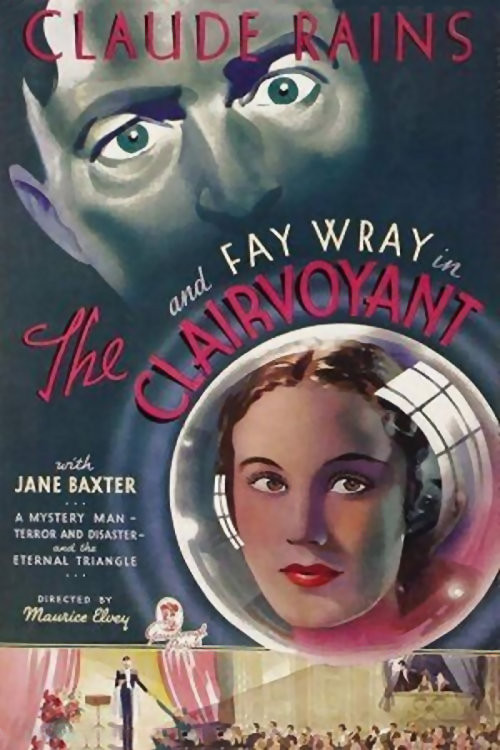
1935
1937
1945
1950
1941

1951

1943

1947
1945
1988
No reviews yet. Be the first to share your thoughts on this movie!
Use the rating form above to leave a star rating and optional review.