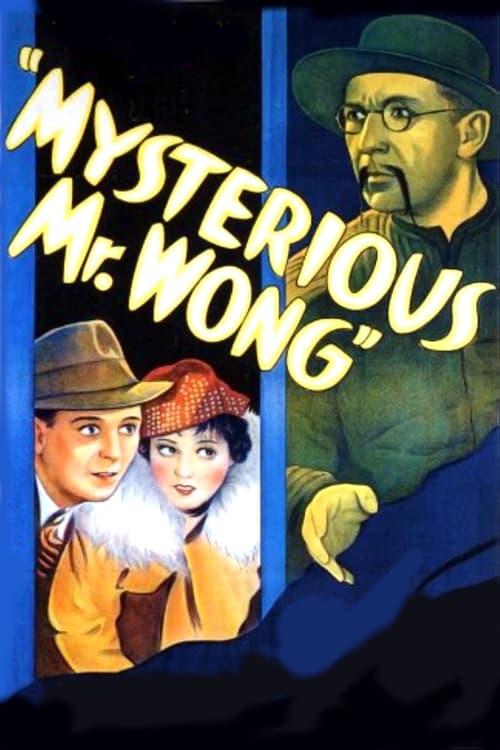
The Mysterious Mr. Wong
1935
No user ratings available yet
Representation score: 1.6 out of 10

Representation Score
Limited
1939
NRDirector
William Nigh
Runtime
71 minutes
Average Rating
No ratings yetNew Showbiz Analysis
Mr. Wong in Chinatown marks a historical departure for 1939. While it upholds traditional gender norms and lacks LGBTQ+ representation, it pioneers by placing an Asian protagonist at the intellectual forefront. The film's strength lies in its disruption of racial hierarchies, giving the lead character professional authority and a central role within a Chinese-American community. It challenges the casting norms of the time. However, the narrative adheres to the procedural storytelling conventions of the 1930s. Female characters lack a significant role in driving the story, and the cultural depiction remains within conventional boundaries without offering a critical perspective on social structures.
Category Breakdown
The film does not include any LGBTQ+ characters or explore non-straight relationships. The plot revolves around a traditional mystery featuring a detective and a female victim.
Gender roles follow traditional patterns, with the male detective leading the investigation. The female lead, Princess Lin Hwa, mainly serves as a catalyst through her death.
The film stands out by centering an Asian protagonist in a position of intellectual authority, breaking the predominantly white detective clichés common in 1939.
Chinatown is portrayed as a site of intricate political intrigue involving Chinese military interests. However, the film follows a standard procedural format without challenging Western institutions.
There are no prominent depictions of physical or neurodivergent disabilities in the narrative. No characters have disabilities that play a central role in the plot.
Present on Screen
Limited or Absent
Official Synopsis
A pretty Chinese woman, seeking help from San Francisco detective James Lee Wong, is killed by a poisoned dart in his front hall, having time only to scrawl "Captain J" on a sheet of paper. She proves to be Princess Lin Hwa, on a secret military mission for Chinese forces fighting the Japanese invasion. Mr. Wong finds two captains with the intial J in the case, neither being quite what he seems; there's fog on the waterfront and someone still has that poison-dart gun...
1935

1935
1945
1944
1940

1946
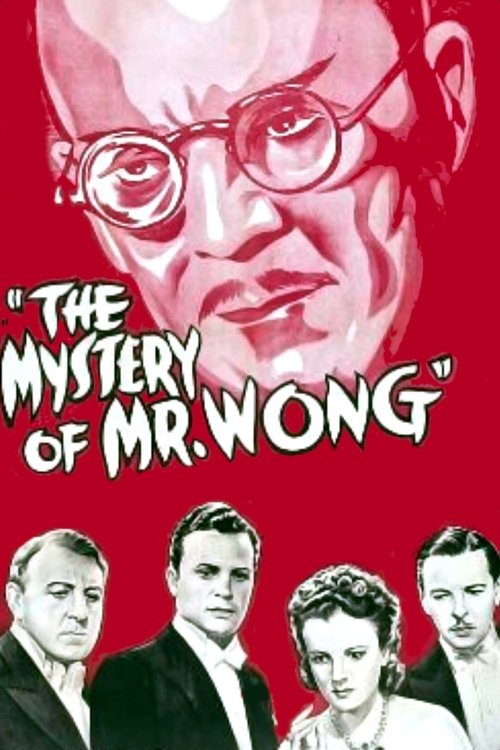
1939
1938
No reviews yet. Be the first to share your thoughts on this movie!
Use the rating form above to leave a star rating and optional review.