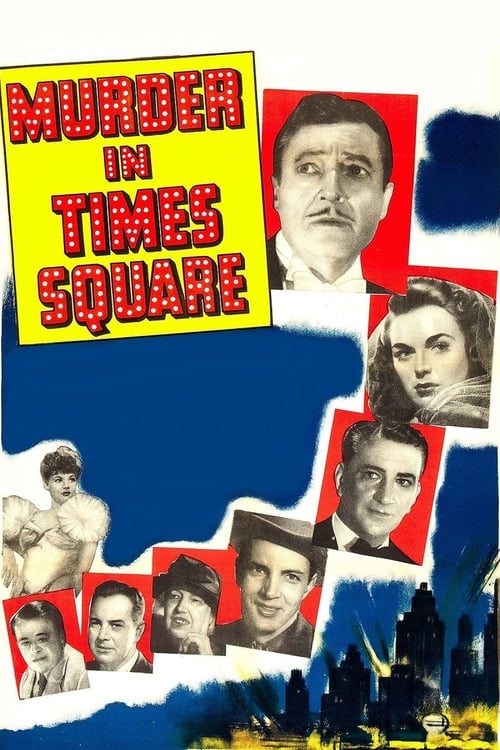
Murder in Times Square
1943
No user ratings available yet
Representation score: 3.0 out of 10
Representation Score
Minimal
1942
NRDirector
Charles Lederer
Runtime
80 minutes
Average Rating
No ratings yetNew Showbiz Analysis
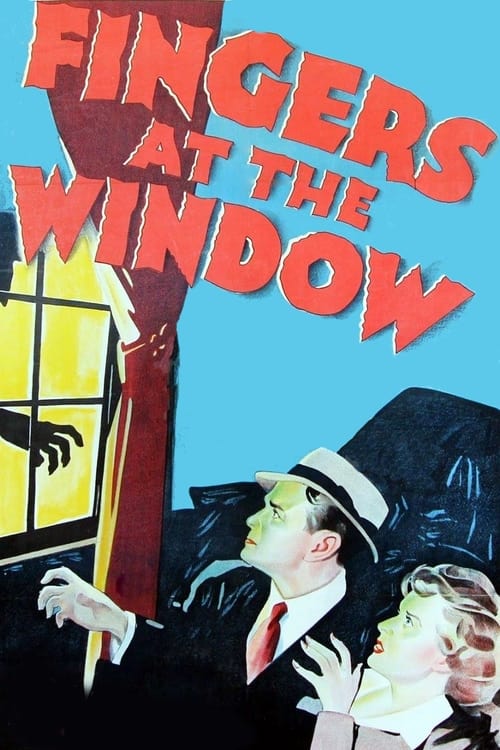
Fingers at the Window is a 1942 mystery-thriller that appears to follow the rigid social and narrative conventions of its time. The story focuses on a male lead navigating a crime investigation, offering little room for diverse perspectives or subverted identities. The reliance on the 'lunatic' cliché for the antagonist suggests a problematic approach to mental health. Additionally, the lack of visible racial or cultural breadth indicates a story centered on a traditional, homogeneous viewpoint. Ultimately, the film reflects the norms of early 1940s studio cinema, prioritizing standard genre clichés over characters who reflect more than one aspect of diversity.
Category Breakdown
The film does not include any characters with non-straight or non-cisgender identities. It seems to follow the social norms of 1942.
The story revolves around a single male protagonist who drives the investigation. Female characters may play traditional roles like the damsel or femme fatale.
Set in Chicago, the cast does not seem to include people from different ethnic backgrounds. The narrative likely centers on a homogeneous white protagonist.
The premise adheres to traditional Western ideas of law and order. It operates within the moral standards of early 1940s studio cinema.
The mention of a 'lunatic' perpetrator suggests mental health issues are used as a plot device for villains. This might frame neurodivergence as inherently scary.
Present on Screen
Limited or Absent
Official Synopsis
In Chicago, an unemployed actor aims to solve the mystery concerning a string of ax murders, apparently committed by a lunatic.
1943
1942
1945

1940
1941
1946
1936
1945
No reviews yet. Be the first to share your thoughts on this movie!
Use the rating form above to leave a star rating and optional review.