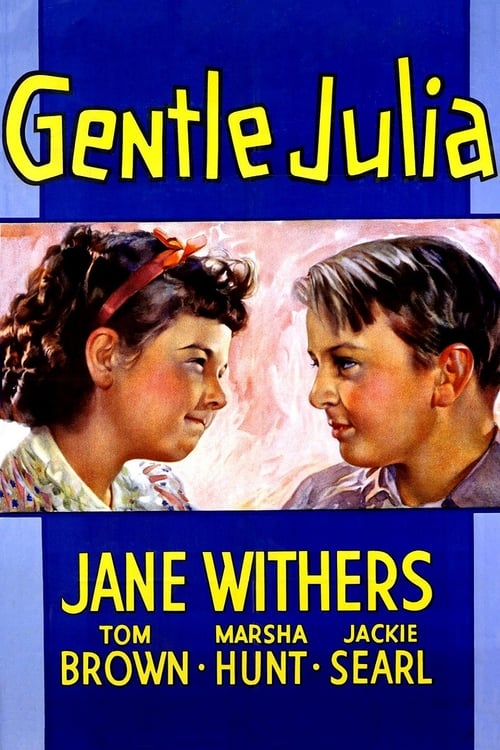
Gentle Julia
1936
No user ratings available yet
Representation score: 1.3 out of 10
Representation Score
Minimal
1938
NRDirector
Richard Thorpe
Runtime
75 minutes
Average Rating
No ratings yetNew Showbiz Analysis
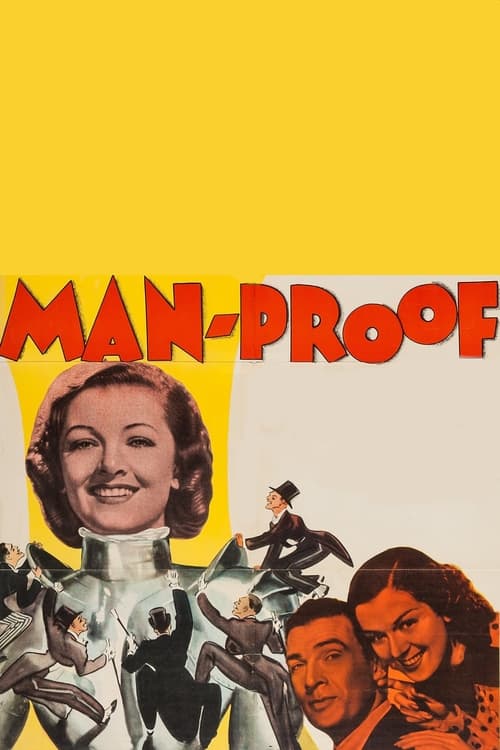
Man-Proof is a classic example of 1930s Hollywood filmmaking, focusing on genre-standard storytelling that aligns with the era's social norms. It operates mainly as a screwball comedy that adheres to the conservative moral and social conventions of its time. The film's primary strength lies in its minor critique of traditional gender roles through its female lead's pursuit of independence. However, this empowerment is constrained by the era's storytelling conventions, which often use female autonomy as a comedic element rather than a genuine shift in power dynamics. Overall, the film lacks depth in representing diverse identities. It presents a narrow, homogeneous view of society that excludes racial diversity, LGBTQ+ identities, and disability, reflecting the era's systemic social hierarchies.
Category Breakdown
The film does not feature any LGBTQ+ characters or non-straight relationships. Its romantic plot focuses solely on traditional heterosexual relationships.
The main character tries to gain social independence by avoiding romantic entanglements. Although this offers a mild critique of traditional domestic expectations, it is presented within the context of a comedic, screwball plot.
The cast is predominantly white, reflecting the exclusion of non-white narratives typical of 1930s cinema. There are no characters of color who play significant roles in the story.
The story emphasizes urban sophistication and high-society status within a conventional capitalist framework. It upholds traditional Western social structures and conventional romantic endings.
The film does not depict any physical or mental disabilities. None of the characters have storylines centered around physical impairments or neurodivergence.
Present on Screen
Limited or Absent
Official Synopsis
A newspaper illustrator tries to remain best friends with the man she secretly loves, even though he recently married another woman.
1936

1933
1939
1942
1933
1939
1931
1952
No reviews yet. Be the first to share your thoughts on this movie!
Use the rating form above to leave a star rating and optional review.