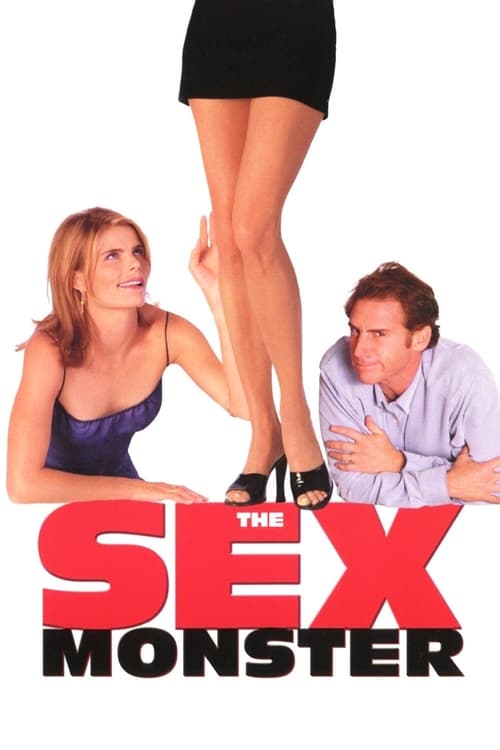
The Sex Monster
1999
No user ratings available yet
Representation score: 2.8 out of 10
Representation Score
Good
1992
RDirector
Pablo Ferro
Runtime
97 minutes
Average Rating
No ratings yetNew Showbiz Analysis
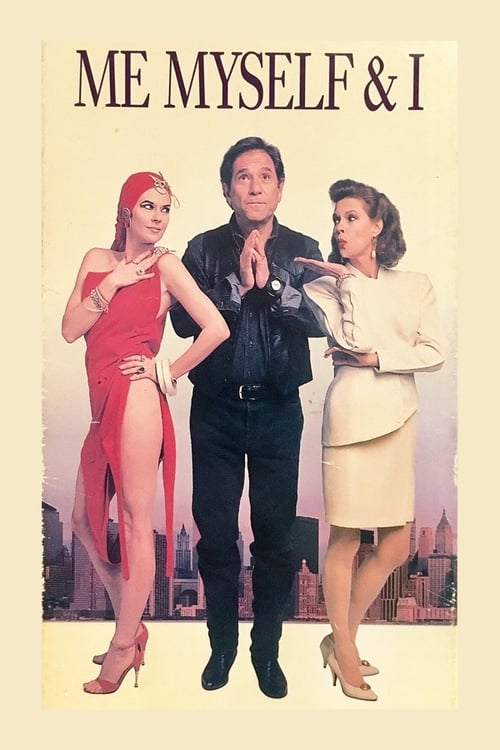
Me, Myself and I provides a character study that subverts traditional gender expectations. By focusing on a volatile, actively leading female lead, the film avoids the typical submissive female roles often seen in traditional cinema. This creates a portrait of a woman driven by her own impulses rather than male protection. However, the film lacks significant diversity in other areas of representation. The narrative appears confined to a straight and cisgender framework, with no evidence of racial or ethnic diversity within the urban setting. The focus remains on a specific type of jaded, secular individualism. Ultimately, while the film challenges social norms through its protagonist's behavior, it fails to create a comprehensive framework of systemic or characters who reflect more than one aspect of diversity.
Category Breakdown
The film centers on a heterosexual relationship between Diane and her neighbor, with no visible queer narratives or diverse sexual identities.
Diane is a strong female lead who challenges traditional submissive female roles. Her chaotic behavior and actions defy conventional gender hierarchies and social norms.
The setting is New York, but the cast's racial makeup is unspecified. There is no indication of intentional multi-layered depth or non-white majority representation.
The narrative emphasizes subjective, chaotic individual experiences over religious structures. It presents a cynical, secular, and postmodern urban perspective.
Diane's paranoia suggests a depiction of mental health issues. However, it is unclear whether these struggles are portrayed with nuance or used as a comedic element.
Present on Screen
Limited or Absent
Official Synopsis
Diane is a growling, howling urban nightmare, suffering from paranoia, nymphomania, and a really bad hair day. Her neighbor, a TV writer, is subject to Diane's constant commentary on sex, violence and invisible persecutors through paper-thin walls. When Diane manages to seduce him, the two jaded New Yorkers discover that love works in mysterious ways.
1999
1969

1994
1986

1988

1974
1996
1977
No reviews yet. Be the first to share your thoughts on this movie!
Use the rating form above to leave a star rating and optional review.