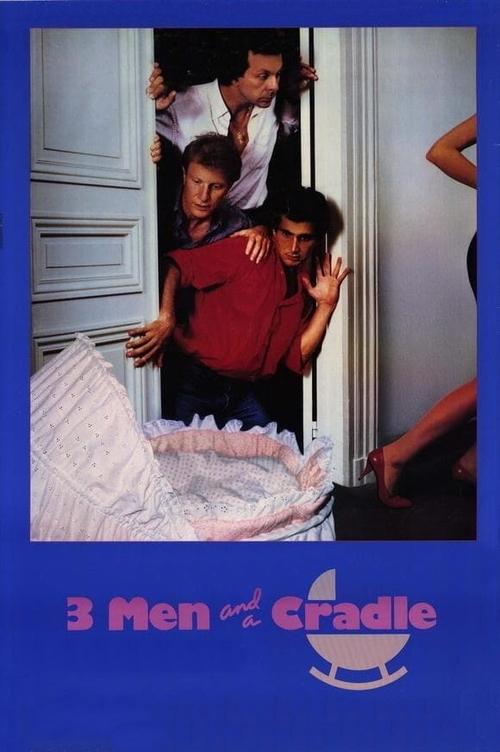
Three Men and a Cradle
1985
No user ratings available yet
Representation score: 4.5 out of 10
Representation Score
Good
1990
RDirector
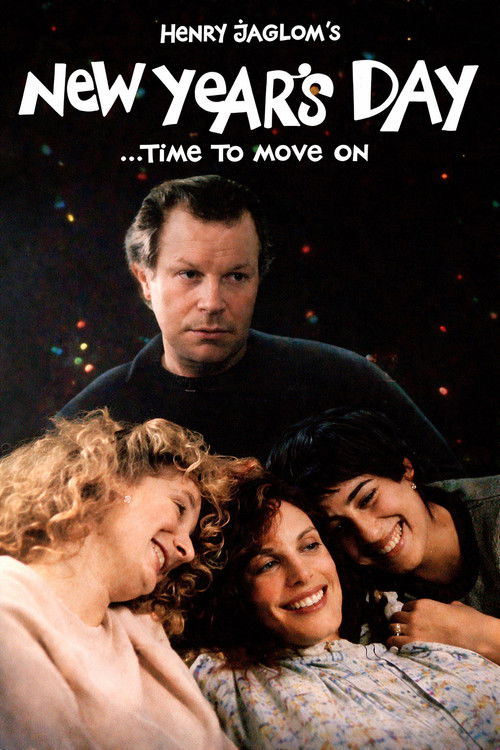
Henry Jaglom
Runtime
88 minutes
Average Rating
No ratings yetNew Showbiz Analysis
Henry Jaglom’s film succeeds as a character study that challenges traditional hierarchies through an improvisational, conversational style. Its primary strength lies in its gender dynamics, where women are granted intellectual presence and narrative ability to act. However, the film lacks significant breadth in other areas. The focus on a specific bohemian, middle-class milieu limits racial and multi-layered diversity. Furthermore, the absence of LGBTQ+ and disability representation keeps the overall score moderate. Ultimately, the work functions as a postmodern exploration of social fluidity, even if it remains confined to a narrow demographic scope.
Category Breakdown
The film explores fluid interpersonal connections within a bohemian social circle. While it avoids traditional assumptions about straight relationships, it lacks explicit depictions of LGBTQ+ identities.
Women play a central role in driving the conflict and are presented as complex, independent individuals with significant influence in the story.
The ensemble reflects a specific urban, middle-class demographic within Los Angeles. There is little evidence of broad diversity in racial representation.
The setting prioritizes a secular, intellectually driven lifestyle over traditional social structures. It values personal truth and social unconventionality through a postmodern lens.
The narrative focuses on able-bodied social interactions within a specific social class. There is no representation of characters with visible or invisible disabilities.
Present on Screen
Limited or Absent
Official Synopsis
A man returns to his sublet apartment to find the previous tenants, three offbeat young women, still in residence, under the mistaken belief that they have the apartment until the end of New Year's Day.
1985
1976
1981

1990
1989
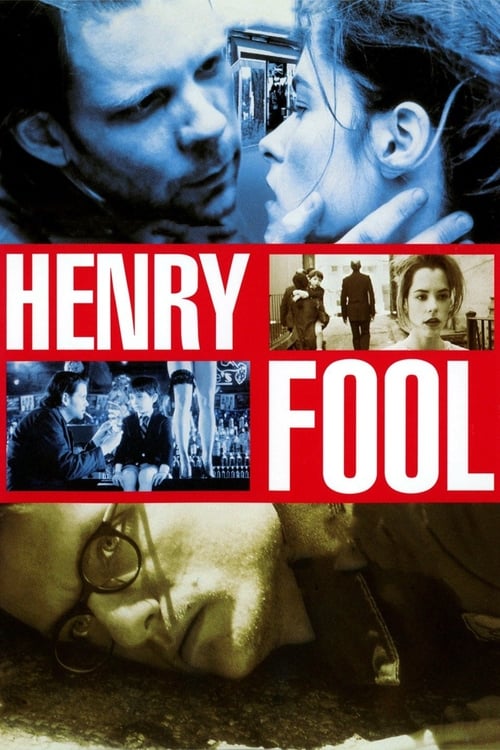
1998
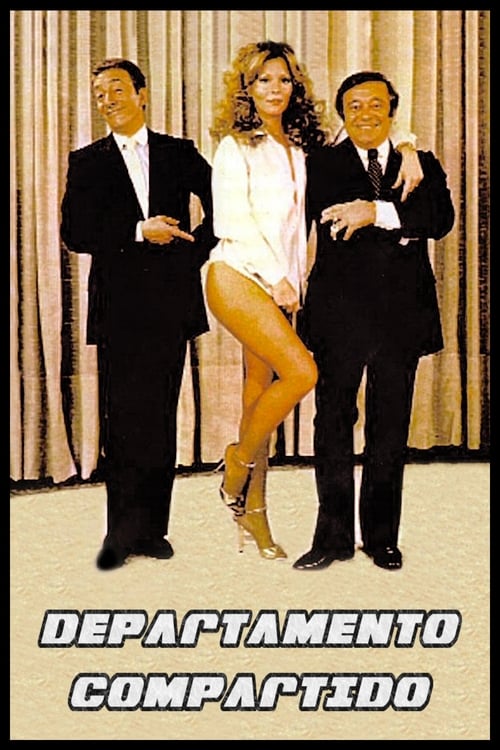
1980
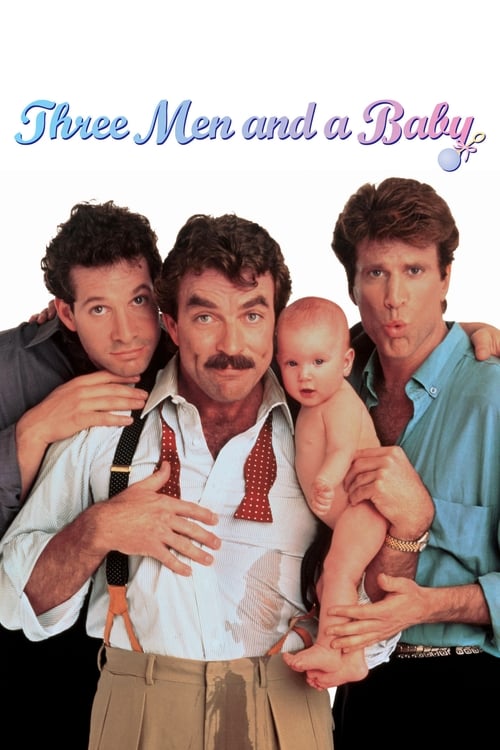
1987
No reviews yet. Be the first to share your thoughts on this movie!
Use the rating form above to leave a star rating and optional review.