Nada en la nevera
1998
No user ratings available yet
Diversity score: 4.2 out of 10
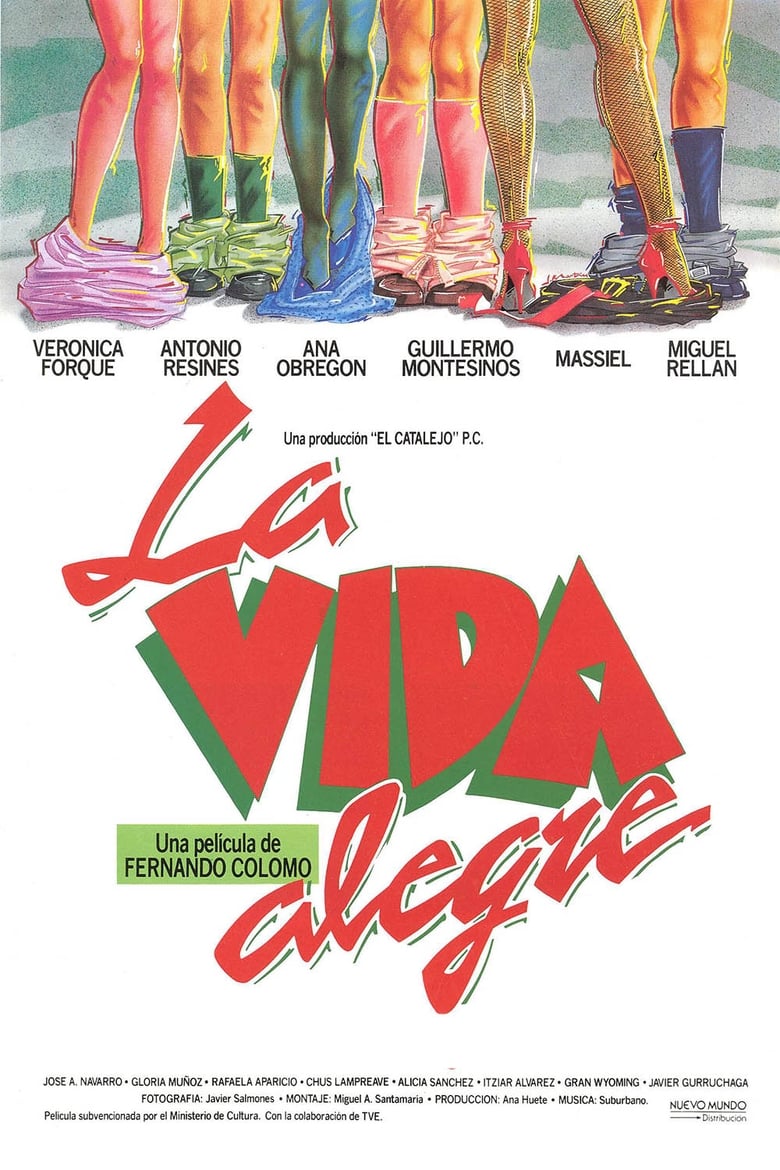
1987
Director
Fernando Colomo
Runtime
92 minutes
Average Rating
No ratings yetSynopsis
Ana starts working as a Doctor in the S.T.I.U. (sexual transmission illnesses unit) at a Hospital. She begins meeting a lot of strange and bizarre characters there, while her jealous husband has to deal with it...
Overall Score
Limited
Category Breakdown
LGBTQ+ Representation
The story centers on heteronormative romantic entanglements and marital jealousy. It lacks explicit LGBTQ+ characters or non-cisnormative identities to drive the plot.
Gender Representation
Ana provides a strong counter-narrative as a professional doctor. The film subverts traditional authority by framing her husband's jealousy as a source of neurosis.
Racial & Ethnic Diversity
The cast is predominantly homogeneous, reflecting the urban middle-class demographics of 1980s Madrid. There is no evidence of diverse ethnic casting.
Religious & Cultural Diversity
The narrative prioritizes secular, modern concerns over religious morality. It explores social relativism through the lens of a sexual health unit.
Disability Representation
The film focuses on the social complexities of the able-bodied middle class. There is no evidence of characters with disabilities possessing agency.
Strengths
Areas for Improvement
AI Analysis
La vida alegre acts as a transitional cultural artifact of the Movida Madrileña era. It captures a society shifting away from rigid traditionalism toward modern, secular identities. While it lacks broad intersectional or racial diversity, it makes strides in gendered storytelling. The film's strength lies in its subversion of domestic hierarchies. By centering a female professional, it challenges the era's conventional gendered authority and explores the anxieties of modern masculinity. However, the film remains limited by its demographic homogeneity and lack of representation for LGBTQ+ and disabled characters. It primarily reflects a specific, able-bodied, urban Spanish social circle.
1998
1982
1976
1976
1980
1983
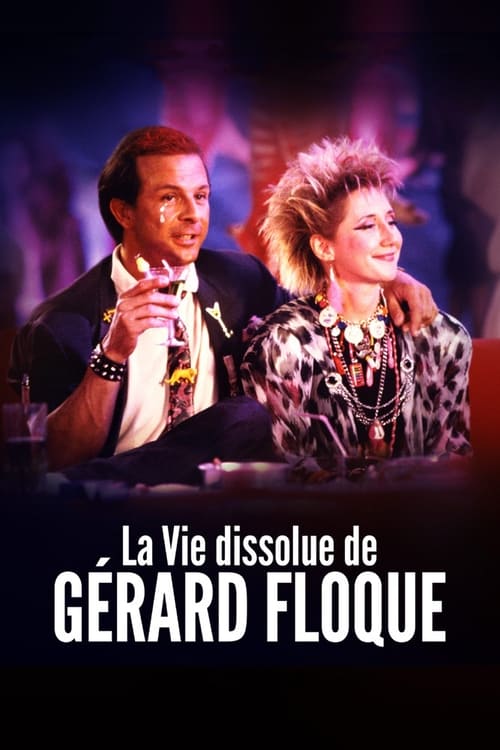
1987
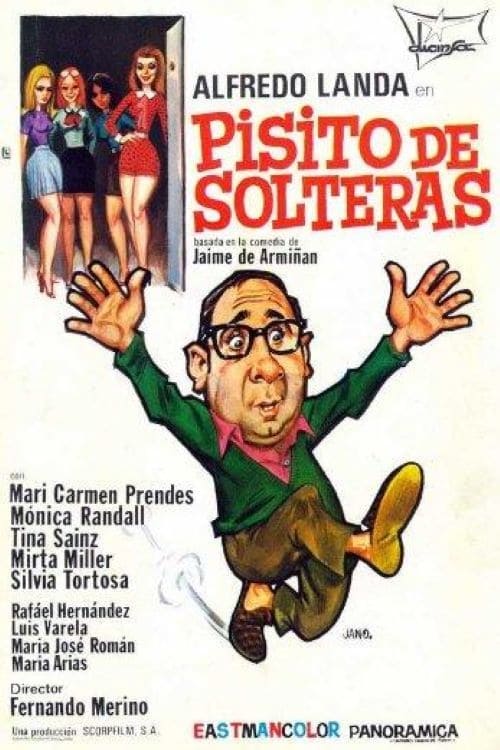
1973
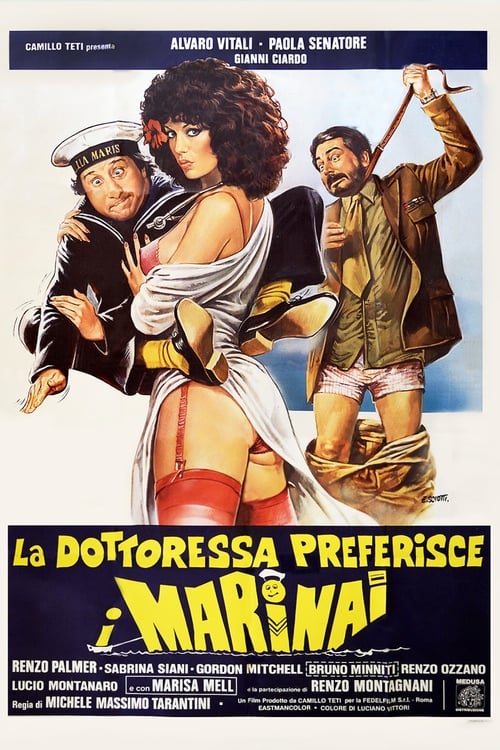
1981
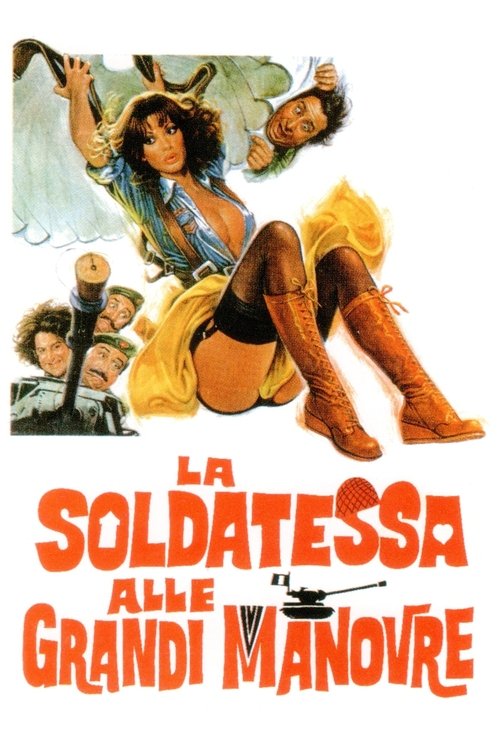
1978
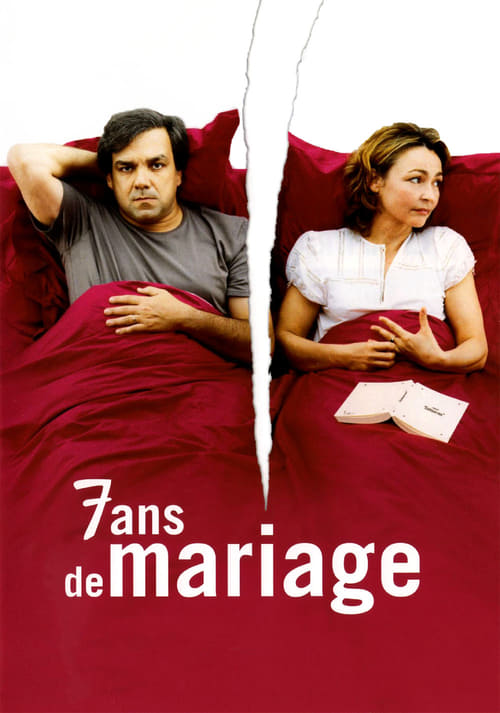
2003
1976
No reviews yet. Be the first to share your thoughts on this movie!
Use the rating form above to leave a star rating and optional review.