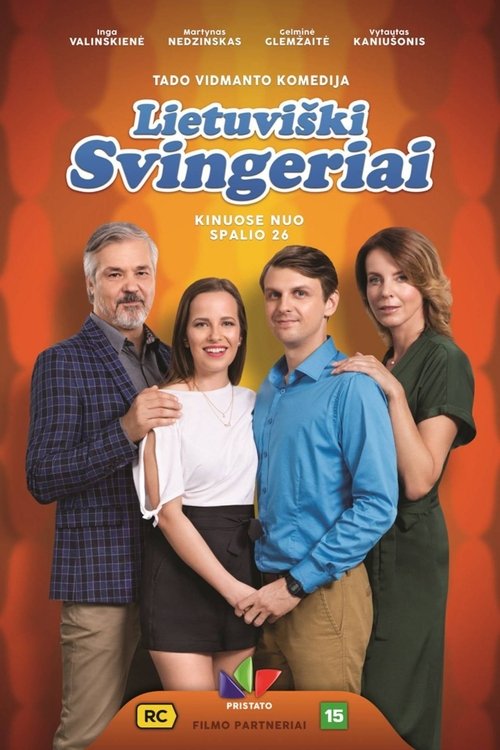
Lithuanian Swingers
2018
No user ratings available yet
Representation score: 3.5 out of 10
Representation Score
Fair
1999
Director
Felix Herngren, Fredrik Lindström
Runtime
91 minutes
Average Rating
No ratings yetNew Showbiz Analysis
The film serves as an observational comedy focused on the tension within traditional romantic structures and middle-class social performance. It succeeds in challenging the 'stable family' cliché by highlighting the gap between public respectability and private impulses. However, the work remains tied to the demographic norms of its time and place. It lacks broad representation of diverse identities, focusing instead on personal growth and understanding.
Category Breakdown
The story centers on typical heterosexual relationships and monogamous complications. It doesn't include many stories about transgender or non-binary individuals and doesn't question the idea that everyone is straight or cisgender.
The film challenges the idea of a stable husband by showing Frank as emotionally unstable. Female characters like Nenne and Rosie play significant roles in driving the story, and the film passes the Bechdel test.
The cast reflects the demographic makeup of a late-90s Stockholm middle-class community. The setting leads to a predominantly white cast with no evidence of actors from different racial backgrounds playing roles traditionally associated with white characters.
The story operates within a secular, urban context that emphasizes individual psychology over religious morality. It uses humor to challenge the sanctity of traditional family units.
There is no noticeable representation of physical or neurodivergent disabilities. Character struggles are framed through social and psychological issues rather than disability.
Present on Screen
Limited or Absent
Official Synopsis
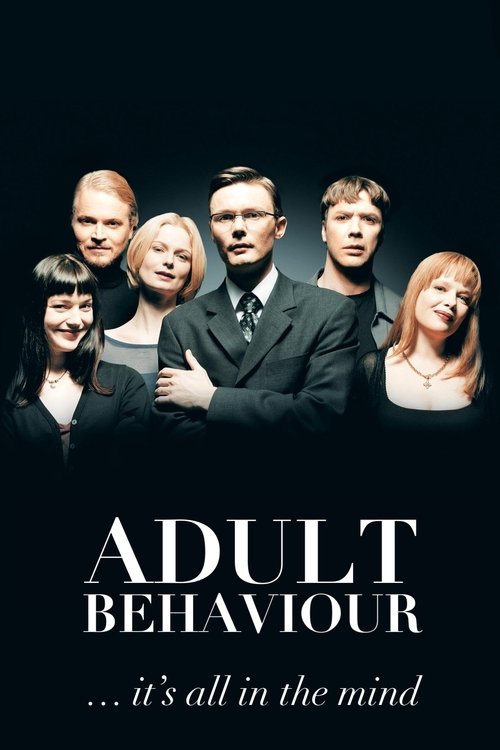
Frank leads a respectable yuppie life working at a noted Stockholm law firm. He has also been married for eight years to his beautiful wife Nenne, who runs an upscale boutique. Yet Frank is deeply bored with his life and is supremely randy. He even fantasizes about the marriage counselor that he and Nenne visit weekly. Eventually, Frank shacks up with a young fetching art student named Sofia, though the experience wracks Frank with guilt. Meanwhile, Nenne's friend and co-worker Rosie suspects that Frank is having an affair, though she does not have the nerve to tell her. Little does Rosie suspect, however, that her friend is sleeping with her lover Georg, an uptight journalist with an ego the size of Finland. Soon wires get crossed, and all hell breaks loose.
2018
1969
1998
1989
2002

2004
2009
1989
No reviews yet. Be the first to share your thoughts on this movie!
Use the rating form above to leave a star rating and optional review.