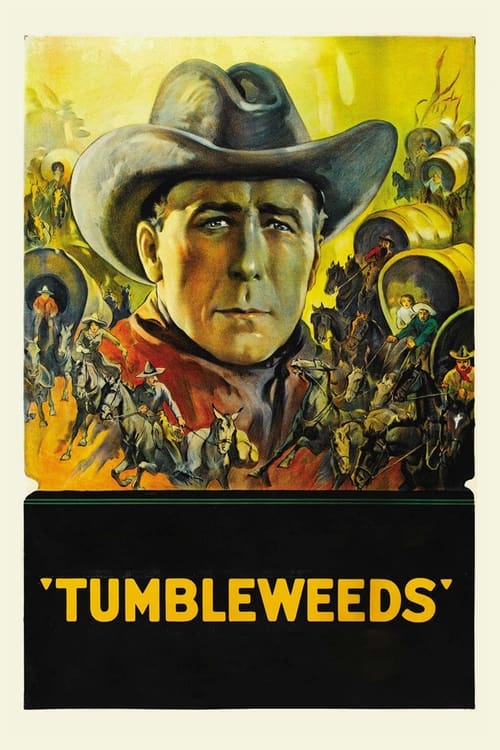
Tumbleweeds
1925
No user ratings available yet
Diversity score: 2.2 out of 10
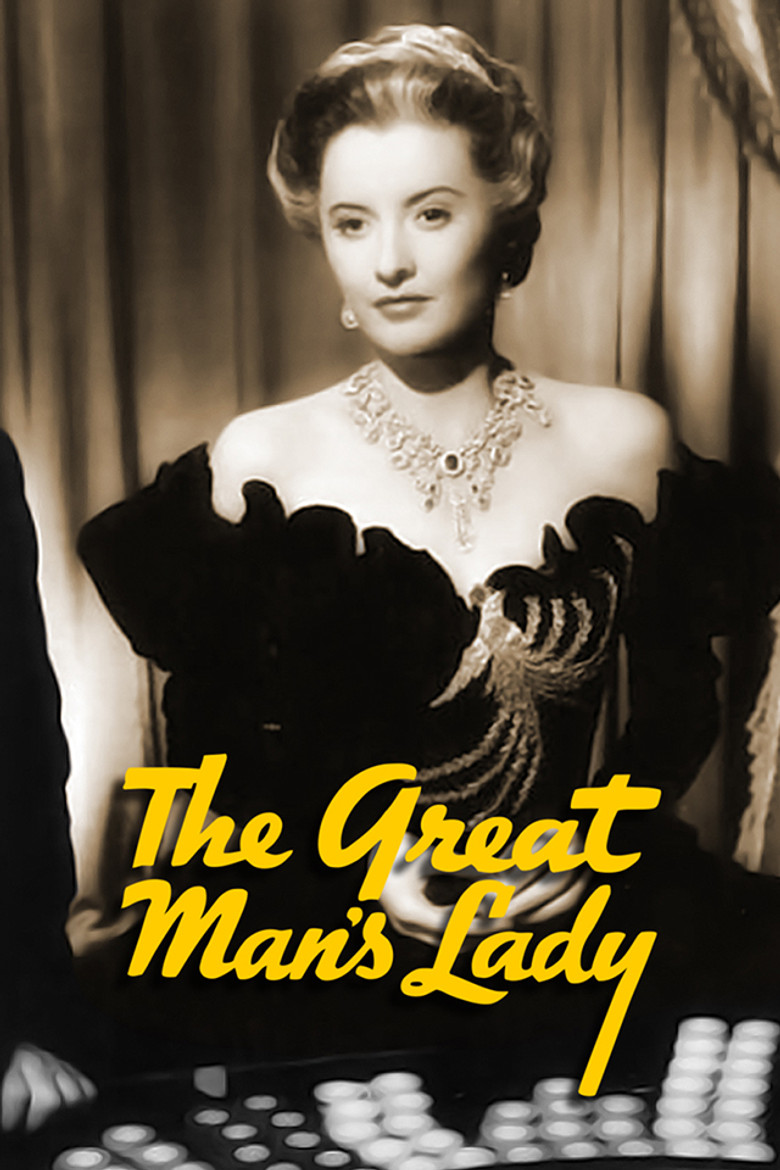
1942
NRDirector
William A. Wellman
Runtime
90 minutes
Average Rating
No ratings yetSynopsis
In Hoyt City, a statue of founder Ethan Hoyt is dedicated, and 100 year old Hannah Sempler Hoyt (who lives in the last residence among skyscrapers) is at last persuaded to tell her story to a 'girl biographer'. Flashback: in 1848, teenage Hannah meets and flirts with pioneer Ethan; on a sudden impulse, they elope. We follow their struggle to found a city in the wilderness, hampered by the Gold Rush, star-crossed love, peril, and heartbreak. The star "ages" 80 years.
Overall Score
Minimal
Category Breakdown
LGBTQ+ Representation
The film focuses on a traditional romantic elopement between a male pioneer and a female protagonist. There is no evidence of non-cisnormative identities or narratives that critique heteronormativity.
Gender Representation
Hannah provides a female voice to the historical record through her storytelling. However, the plot relies heavily on masculine-coded pioneer archetypes and the physical agency of the male lead.
Racial & Ethnic Diversity
Set during the 1848 Gold Rush, the film aligns with the homogeneous depictions common to 1940s Westerns. It lacks evidence of a diverse cast or subversion of expansionist myths.
Religious & Cultural Diversity
The narrative celebrates the establishment of Western institutions and the family unit. It reinforces traditional values of progress through settlement rather than offering a critique of them.
Disability Representation
There is no indication that the film addresses physical, sensory, or neurodivergent experiences.
Strengths
Areas for Improvement
AI Analysis
The film functions as a piece of mid-century historical romanticism, reinforcing the foundational myths of the American frontier. It utilizes a dual-timeline structure to frame the development of a city through the eyes of an elderly woman. While the protagonist possesses narrative agency as a storyteller, the structural framework remains rooted in the traditional gendered roles and social hierarchies of 1941. The themes prioritize the celebration of the pioneer spirit and the establishment of Western institutions. Ultimately, the work does not challenge the systemic norms of its era. It adheres to the classical dramatic structures and homogeneous depictions typical of the Western genre during this period.
1925
1950
1978
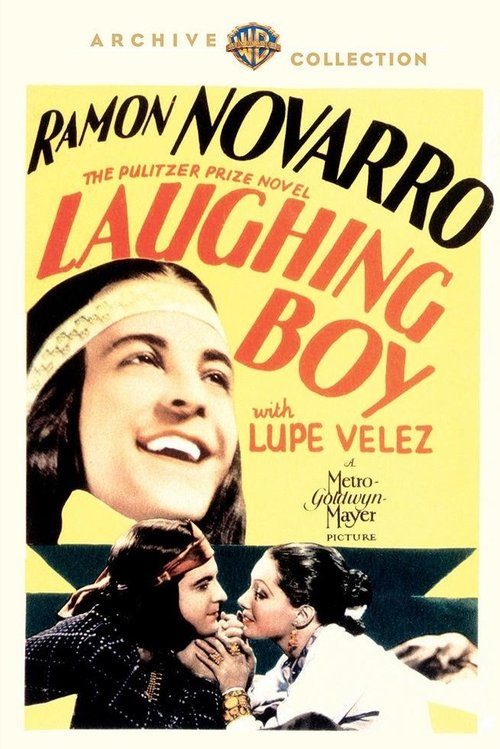
1934
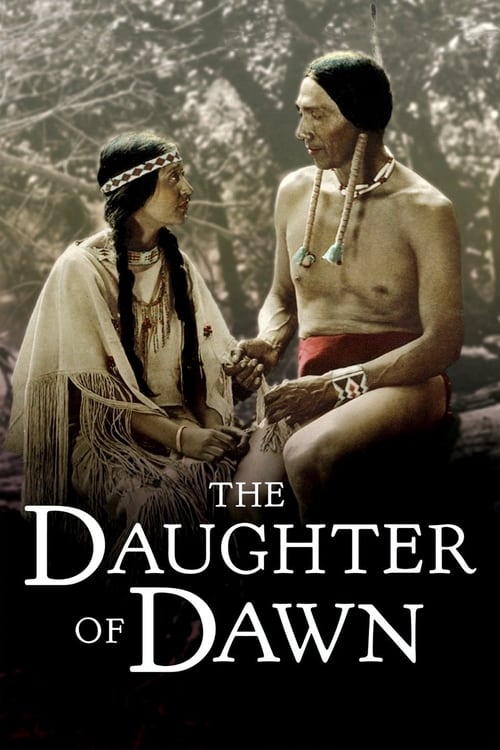
1920
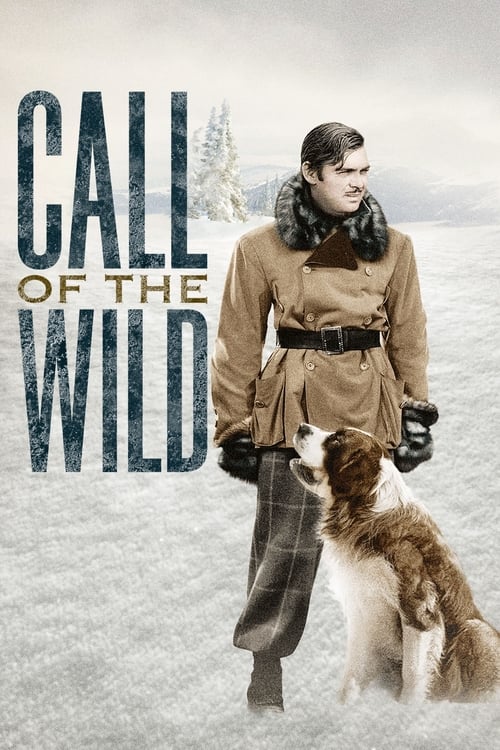
1935

1944
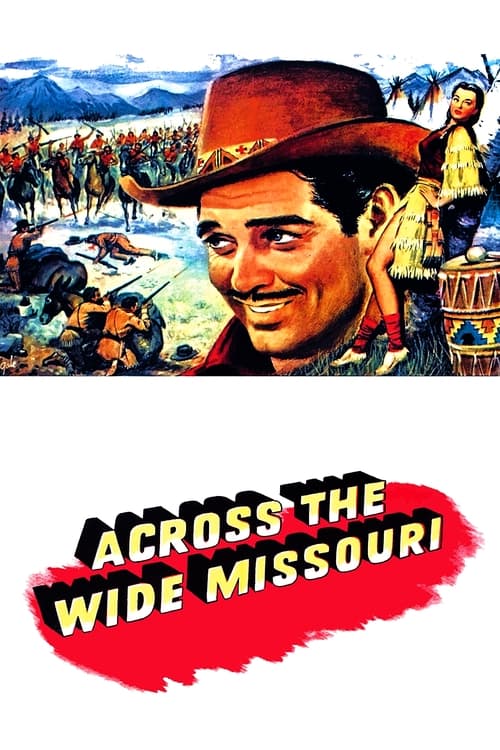
1951
No reviews yet. Be the first to share your thoughts on this movie!
Use the rating form above to leave a star rating and optional review.