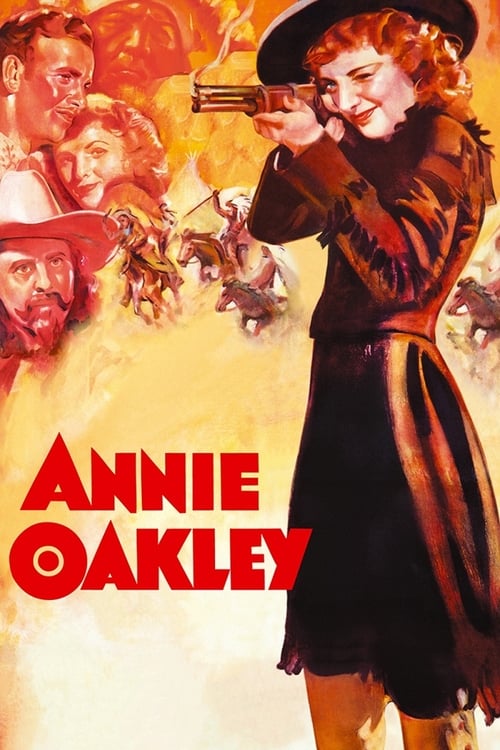
Annie Oakley
1935
No user ratings available yet
Representation score: 1.2 out of 10

Representation Score
Minimal
1944
ApprovedDirector
William A. Wellman
Runtime
90 minutes
Average Rating
No ratings yetNew Showbiz Analysis
Buffalo Bill (1944) exemplifies mid-century Hollywood storytelling, emphasizing traditional values and heroic figures. The film reinforces established social hierarchies through its focus on frontier expansion and institutional stability. The narrative centers on conventional heroism, highlighting the male protagonist's leadership and social rise. This approach limits diverse perspectives and adherence to mid-20th-century social norms. Ultimately, the film celebrates the American frontier using a streamlined portrayal of historical figures that aligns with the era's social dynamics.
Category Breakdown
The film strictly follows 1940s standards that assume everyone is straight and cisgender. The story centers on the romance between Buffalo Bill and the senator's daughter, excluding any non-traditional gender identities.
Male characters like Buffalo Bill play key roles in driving the story. Female characters mainly support the male lead and fulfill domestic duties, lacking independent ability to act.
The cast is mostly white, reflecting the typical Western genre conventions of the time. Although the plot includes the Cheyenne, the story focuses on the settlers' perspective.
The film upholds values of patriotism and organized institutions, celebrating Western expansion without critiquing the era's social structures.
There are no characters with visible or invisible disabilities, nor any representation of neurodivergent individuals or disability themes.
Present on Screen
Limited or Absent
Official Synopsis
Scout William F. Cody marries a U.S. senator's daughter, fights the Cheyenne and leads a Wild West show.
1935
1940
1926
1930
1914
1941

1952
1939
No reviews yet. Be the first to share your thoughts on this movie!
Use the rating form above to leave a star rating and optional review.