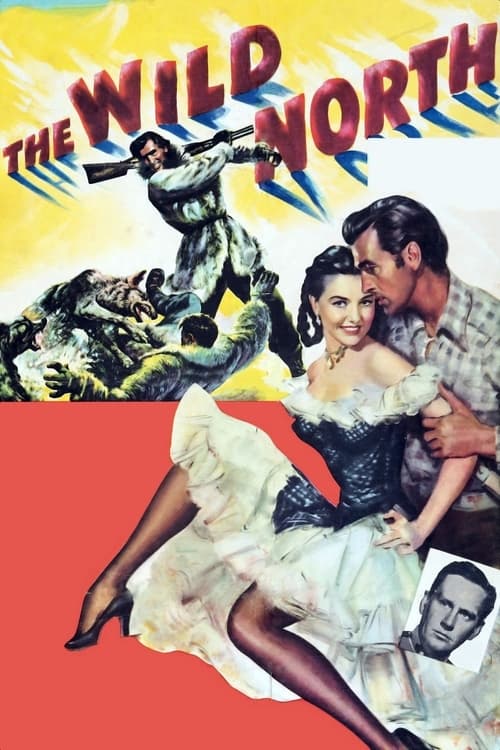
The Wild North
1952
No user ratings available yet
Representation score: 0.5 out of 10
Representation Score
Minimal
1951
NRDirector
William A. Wellman
Runtime
78 minutes
Average Rating
No ratings yetNew Showbiz Analysis
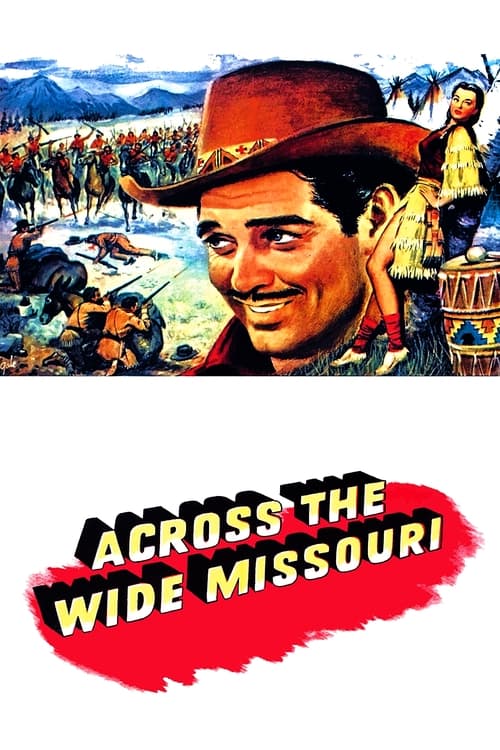
Across the Wide Missouri is a classic mid-century Western that upholds traditional social and racial hierarchies. While it provides more visibility for Indigenous populations compared to many contemporary films, it does so through a colonialist perspective. The central relationship between the white protagonist and a Blackfoot woman starts as a transaction for land, maintaining traditional power imbalances. The film adheres to strict gender roles, emphasizing masculine leadership and limiting female characters to domestic or protective roles. It functions as a traditional adventure narrative that celebrates the establishment of civilization without questioning the systemic structures of the era. Ultimately, the film reflects its time period, prioritizing conventional heroism and expansionist values over social critique or diverse character perspectives.
Category Breakdown
The film does not include any LGBTQ+ characters or explore non-straight relationships. The romantic storyline focuses solely on a traditional heterosexual pairing.
Female characters are mostly confined to domestic duties or portrayed as needing protection. Male characters dominate the narrative, taking on most of the leadership roles.
The story involves significant interactions with Indigenous peoples through a central interracial marriage. However, the plot may reinforce colonialist dynamics by presenting marriage as a means to acquire land.
The film portrays Western expansion as a heroic journey of pioneering resilience. It does not question the capitalist expansion, instead upholding the era's expansionist ideals.
There are no prominent portrayals of physical or neurodivergent disabilities. Such traits do not significantly influence the narrative or character development.
Present on Screen
Limited or Absent
Official Synopsis
In the 1830's beaver trapper Flint Mitchell and other white men hunt and trap in the then unnamed territories of Montana and Idaho. Flint marries a Blackfoot woman as a way to gain entrance into her people's rich lands, but finds she means more to him than a ticket to good beaver habitat.
1952
1930
1947
1960
1960
1952
1952
1954
No reviews yet. Be the first to share your thoughts on this movie!
Use the rating form above to leave a star rating and optional review.