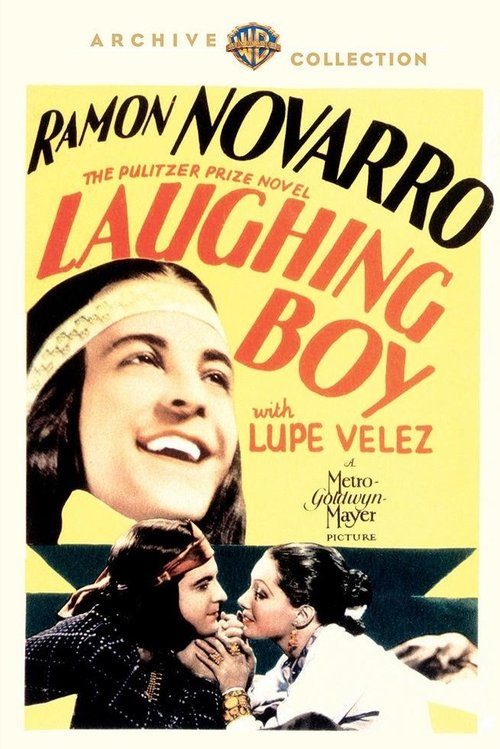
Laughing Boy
1934
No user ratings available yet
Diversity score: 3.1 out of 10
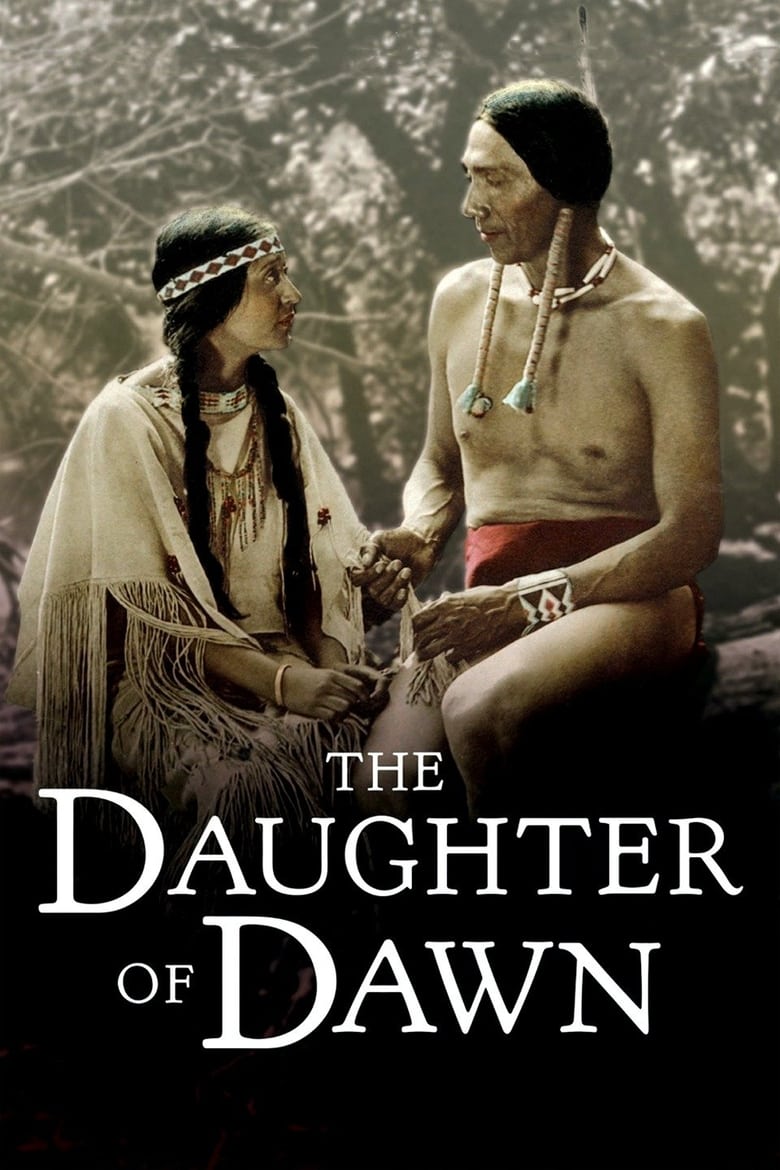
1920
TV-GDirector
Norbert A. Myles
Runtime
83 minutes
Average Rating
No ratings yetSynopsis
The Daughter of Dawn is a silent Western, and one of the few films of the silent era to have an entirely Native American cast. It tells the story of a Kiowa woman and her lover, his feats of bravery, and their trials at the hands of a jealous rival and Comanche warriors. Completed in 1920, it was only shown a few times before being considered lost. Five reels of the movie were found in 2005, and restored by the Oklahoma Historical Society in 2012.
Overall Score
Good
Category Breakdown
LGBTQ+ Representation
The story centers on a romantic bond between a Kiowa woman and her lover. While it avoids standard settler-colonial tropes, there is no explicit evidence of queer identities within the narrative.
Gender Representation
A Kiowa woman serves as a primary protagonist, disrupting the typical Western trope of women as secondary characters. A jealous female rival adds a layer of complex, female-driven conflict to the drama.
Racial & Ethnic Diversity
This film is a historical anomaly for its time. By utilizing an entirely Native American cast, it bypasses the era's standard practice of using white actors in redface.
Religious & Cultural Diversity
The film prioritizes the internal dynamics of Kiowa and Comanche peoples. This shifts the focus away from American expansionism toward a localized, non-Western cultural experience.
Disability Representation
There is no documented evidence regarding the portrayal of physical or neurodivergent disabilities in the surviving records or synopsis.
Strengths
Areas for Improvement
AI Analysis
The Daughter of Dawn stands as a landmark achievement in early cinema due to its radical casting. By employing an entirely Native American cast, the production rejected the systemic whitewashing prevalent in 1920s Westerns. The film successfully centers Indigenous social structures and romantic narratives. This approach moves the genre away from settler-colonial perspectives and toward authentic ethnic agency. While the film excels in racial and cultural representation, the specific nuances of gender agency and LGBTQ+ identities remain less defined within the available historical context.
1934
1958
1947
1925
1942
1966
No reviews yet. Be the first to share your thoughts on this movie!
Use the rating form above to leave a star rating and optional review.