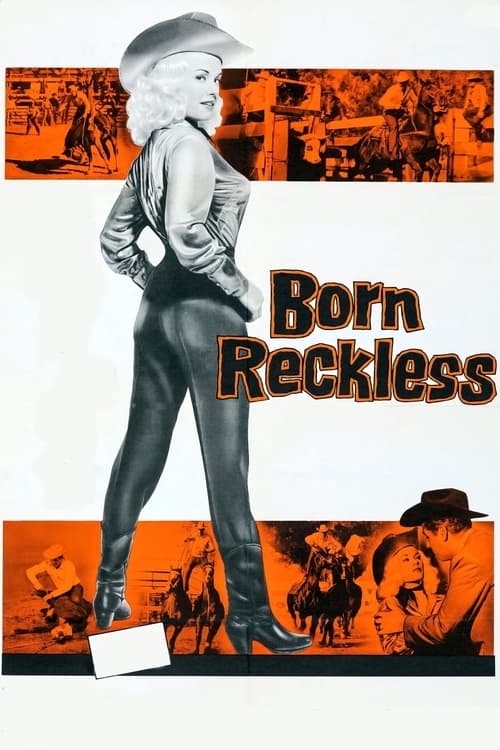
Born Reckless
1958
No user ratings available yet
Representation score: 1.4 out of 10
Representation Score
Limited
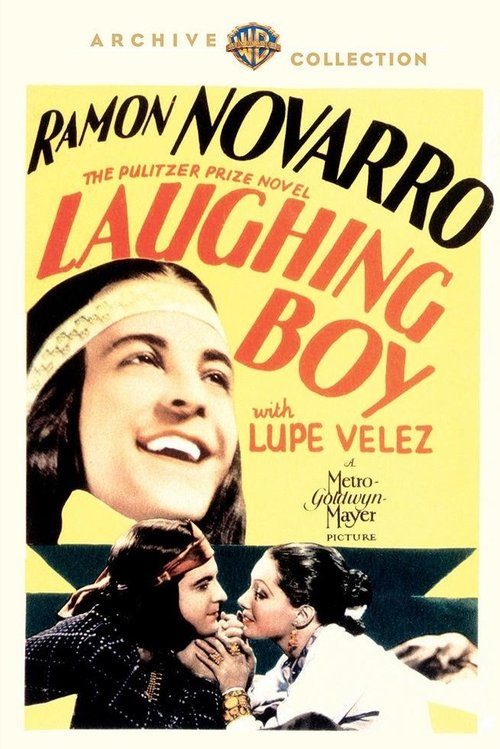
1934
ApprovedDirector
W.S. Van Dyke
Runtime
79 minutes
Average Rating
No ratings yetNew Showbiz Analysis
Laughing Boy stands out from typical 1930s Westerns by centering a Native American protagonist and addressing the socio-cultural tensions caused by Western expansion. The film uses romantic melodrama to explore ethnic identity and interracial connections, offering meaningful representation of the Navajo people. However, it remains constrained by the social and cinematic norms of its time, presenting its exploration of indigenous ability to act and tribal customs within a traditional storytelling framework.
Category Breakdown
The film does not include any LGBTQ+ characters or explore non-straight relationships. It follows the traditional heterosexual romantic conventions of the early 1930s.
The film follows the gender roles typical of the era. The female lead mainly serves as a catalyst for the male protagonist's emotional journey within a conventional romantic role.
The film provides meaningful representation of the Navajo people. It explores the complexities of interracial romance by focusing on a relationship between a Native American man and a white woman.
The film addresses the cultural erosion and the conflict between indigenous sovereignty and Western expansionism. These themes are explored through the lens of romantic melodrama.
There are no characters with visible or invisible disabilities in the film. The narrative does not focus on neurodivergence or physical impairment.
Present on Screen
Limited or Absent
Official Synopsis
A young Navajo defies tribal custom to marry an outcast.
1958
1946
1935
1930
1920
1940
1950
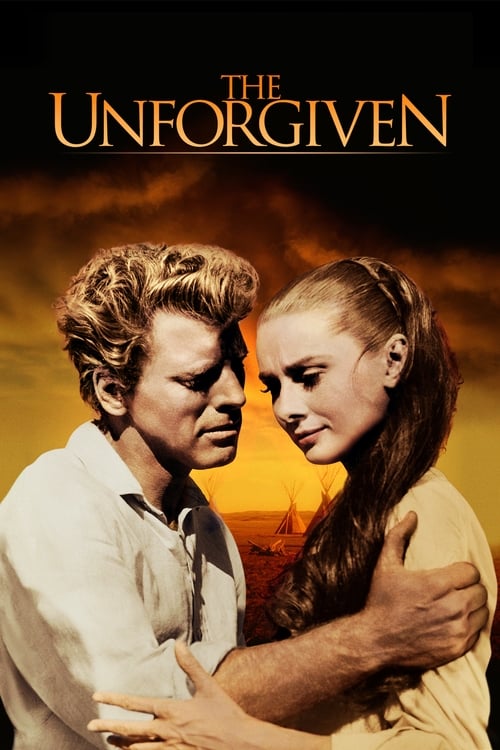
1960
No reviews yet. Be the first to share your thoughts on this movie!
Use the rating form above to leave a star rating and optional review.