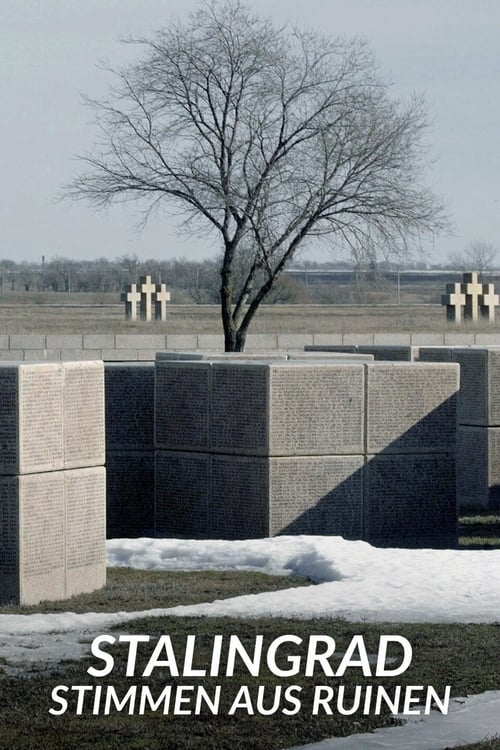
Stalingrad - Stimmen aus Ruinen
2023
No user ratings available yet
Representation score: 1.9 out of 10

Representation Score
Good
1942
15Director
Mikhail Slutsky
Runtime
80 minutes
Average Rating
No ratings yetNew Showbiz Analysis
One Day of War is a product of systemic intentionality, designed to mobilize the collective consciousness during the Great Patriotic War. It prioritizes the state and the multi-ethnic collective over individualistic Western norms. The film's strength lies in its portrayal of a unified, multi-ethnic Soviet front. However, it remains limited by the era's strict social hierarchies and the functional use of trauma as a narrative device. Ultimately, the work challenges Western-centric social structures by emphasizing collectivism, even though it lacks modern multi-layered nuances or diverse identity politics.
Category Breakdown
The film does not include any LGBTQ+ characters or non-straight relationships. Instead, it focuses on traditional social roles to maintain unity during wartime.
Women are shown working in wartime industries and supporting the military. These roles expand their influence in public life but still support a male-dominated military structure.
The film highlights the diverse ethnic makeup of the Soviet republics. It portrays a multi-ethnic front united by a shared cause, challenging the idea of a single, homogeneous national identity.
The narrative emphasizes collective struggle and state survival over individualistic or capitalist values. It frames the conflict through a lens of systemic survival and institutional legitimacy.
Disability is likely depicted through the lens of combat injuries. These depictions serve as symbols of the war's cost rather than providing characters with independent ability to act.
Present on Screen
Limited or Absent
Official Synopsis
A Soviet documentary chronicling a single day of the Great Patriotic War—June 13, 1942, the 356th day of the conflict. Filmed simultaneously across all fronts and the home front by 160 newsreel cameramen, and edited by Mikhail Slutsky at the Central Studio of Documentary Films, it offers a sweeping portrait of total war. Released in October 1942, the project captured the Soviet struggle against the German invaders in a single, coordinated day of filming.
2023
1946
1943
1945
1968
1944
1941
1944
No reviews yet. Be the first to share your thoughts on this movie!
Use the rating form above to leave a star rating and optional review.