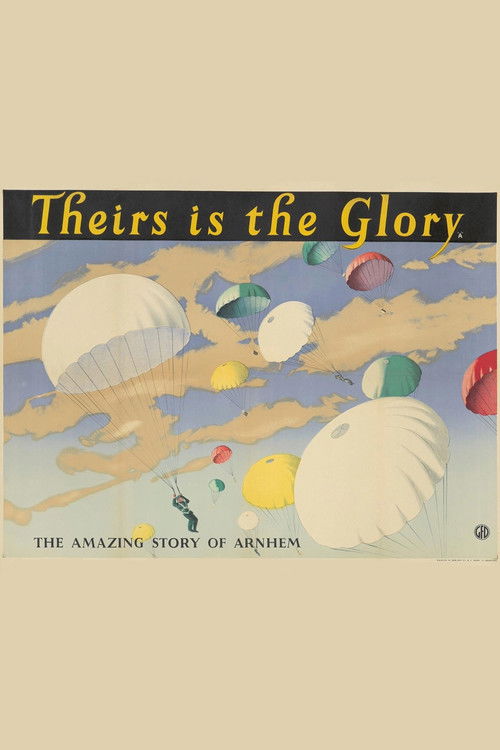
Theirs Is the Glory
1946
No user ratings available yet
Diversity score: 2.6 out of 10

2023
Director
Artem Demenok
Runtime
89 minutes
Average Rating
No ratings yetSynopsis
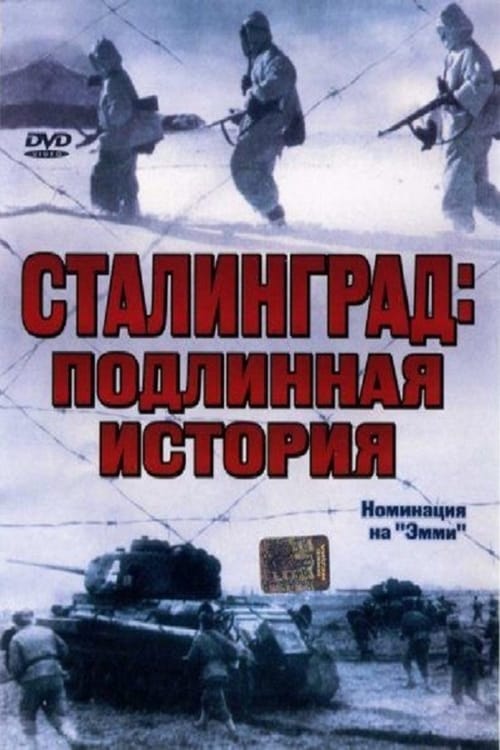
Featuring excerpts from diaries and letters written by local residents and soldiers from both sides, the documentary tells the story of the Battle of Stalingrad through the voices of those who lived it.
Overall Score
Limited
Category Breakdown
LGBTQ+ Representation
The film focuses on the historical realities of the 1942–1943 Eastern Front. There is no evidence of intentional queer narratives or depictions of non-cisnormative identities within the provided context.
Gender Representation
The narrative is largely shaped by combatant experiences, which historically prioritize male perspectives. While local residents are included, female voices likely remain framed within traditional era-specific roles like civilian survival.
Racial & Ethnic Diversity
The documentary captures diverse ethnic groups within the Soviet Union. However, this representation reflects historical demographics of the geopolitical struggle rather than a contemporary effort toward intersectional blending.
Religious & Cultural Diversity
By utilizing personal letters and diaries from both sides, the film avoids a monolithic historical narrative. This approach provides a nuanced portrayal of individual truths and the human cost of war.
Disability Representation
While war inherently involves physical and psychological trauma, there is no specific evidence of disability being portrayed as a central narrative agency or through specific casting.
Strengths
Areas for Improvement
AI Analysis
The documentary functions as a historical testimonial, prioritizing archival authenticity over modern social commentary. Its structure is dictated by the lived experiences of the 1940s rather than contemporary identity politics. Because the film relies on primary sources like diaries and letters, the representation of various groups is a reflection of mid-20th-century demographics. The narrative focuses on the geopolitical struggle of the Battle of Stalingrad. Ultimately, the work seeks to preserve historical voices from both the Axis and Allied sides. It favors the subjective morality of those who lived the conflict over a modern deconstruction of social hierarchies.
1946
1945
2009

1942
1944
2013
1972
2003
2015

2018
2016
No reviews yet. Be the first to share your thoughts on this movie!
Use the rating form above to leave a star rating and optional review.