
Why We Fight: The Nazis Strike
1943
No user ratings available yet
Representation score: 1.1 out of 10
Representation Score
Fair
1944
Not RatedDirector
Frank Capra, Anatole Litvak
Runtime
65 minutes
Average Rating
No ratings yetNew Showbiz Analysis
This documentary serves as a sophisticated historical disruption of Eurocentric wartime narratives. By centering the Chinese experience of imperialist aggression, it shifts the lens toward non-Western actors as the primary protagonists of the Pacific Theater. While the film lacks modern complexities in representing diverse identities, its intentionality in humanizing the Chinese resistance provides a significant departure from typical colonial-centric storytelling of the era. It successfully elevates the roles of both Chinese civilians and key female political figures. However, the film remains a product of its time, lacking any representation of LGBTQ+ identities or specific focus on disability. Its scope is strictly defined by the requirements of wartime mobilization and national sovereignty.
Category Breakdown
The film does not include any LGBTQ+ characters or non-straight relationships. The narrative focuses entirely on national survival and collective resistance within 1940s social constraints.
Madame Chiang Kai-shek plays a significant role and has strong speaking abilities as a central figure. The film challenges the idea of women as passive victims by showing them as active participants in the political struggle.
The documentary centers Chinese civilians and soldiers as the primary protagonists. By placing Chinese civilians and soldiers at the heart of the moral argument, it humanizes a demographic often underrepresented in Western media.
The narrative frames the struggle as a defense of Chinese culture against external imperialist aggression. It challenges traditional global power hierarchies by presenting the Chinese struggle as a moral imperative.
There is no specific evidence regarding the portrayal of individuals with disabilities. The footage focuses on broad population movements and military engagements.
Present on Screen
Limited or Absent
Official Synopsis
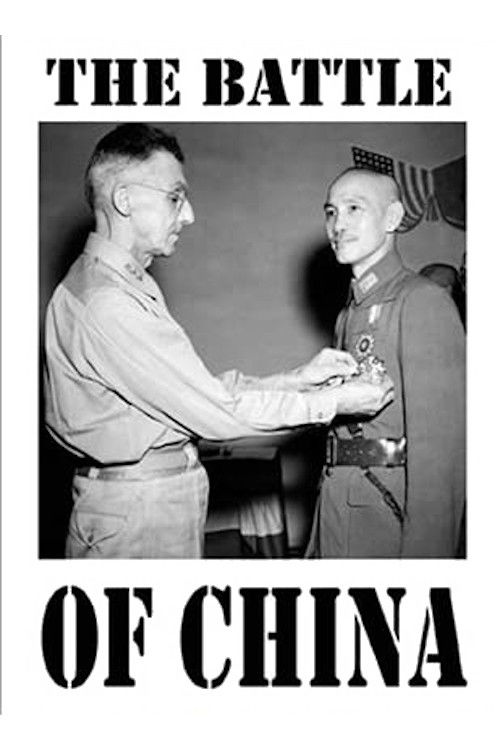
The sixth film of Frank Capra's Why We Fight propaganda film series illustrates Japan's occupation of China, including Madame Chiang Kai-Shek's stirring address before congress, the rape of Nanking, the great 2,000 mile migration, and Claire Chennault's Flying Tigers.
1943
1944

1944

1943

1945
1941
1943
1942
No reviews yet. Be the first to share your thoughts on this movie!
Use the rating form above to leave a star rating and optional review.