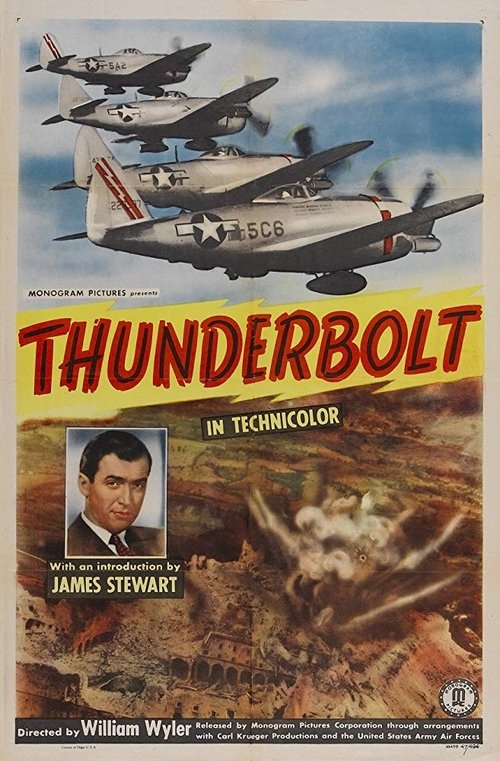
Thunderbolt
1947
No user ratings available yet
Representation score: 0.6 out of 10
Representation Score
Limited
2003
Runtime
159 minutes
Average Rating
No ratings yetNew Showbiz Analysis
This documentary emphasizes historical accuracy and the personal experiences of soldiers rather than broad demographic representation. It serves as a critical examination of the human impact of extreme conditions rather than a diverse social landscape. While it lacks characters who reflect more than one aspect of diversity regarding gender, race, and sexuality, it effectively dismantles the myth of unquestioned military hierarchy. It replaces traditional heroic narratives with a critique of systemic failures. Ultimately, the film's strength lies in its disruption of state-mandated morality, rather than its inclusion of diverse identities.
Category Breakdown
The film focuses on a hyper-masculine military setting and does not include any non-straight or non-cisgender identities.
Women are mostly absent from the main storyline, appearing only in minor roles where they have little control over their own destinies.
The cast is primarily made up of individuals from similar backgrounds, lacking diverse ethnic representation.
The film critiques the detachment and incompetence of military command, challenging the traditional portrayal of patriotism.
The film highlights the physical and psychological trauma of combat but focuses on anti-war themes rather than the experiences of disabled individuals.
Present on Screen
Limited or Absent
Official Synopsis
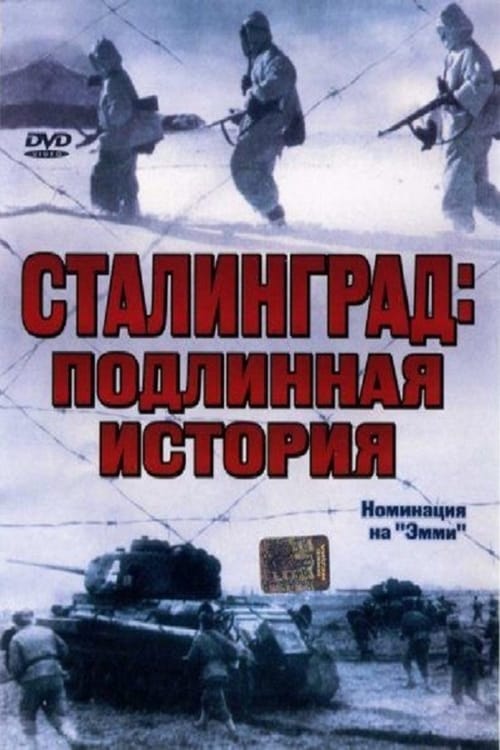
This documentary gives very good insight in the battle of Stalingrad, the gruesome city combat and the blockade of the sixth german army. However, it is not for history buffs or strategic experts, as it focuses on personal experiences and the stories of some of the last living participants in this turning point of the second world war.
1947
1998
1943

2018

2023

2006

2020
1943
No reviews yet. Be the first to share your thoughts on this movie!
Use the rating form above to leave a star rating and optional review.