
Hôtel Terminus: The Life and Times of Klaus Barbie
1988
No user ratings available yet
Representation score: 7.4 out of 10
Representation Score
Limited
1983
Director
Masaki Kobayashi
Runtime
277 minutes
Average Rating
No ratings yetNew Showbiz Analysis
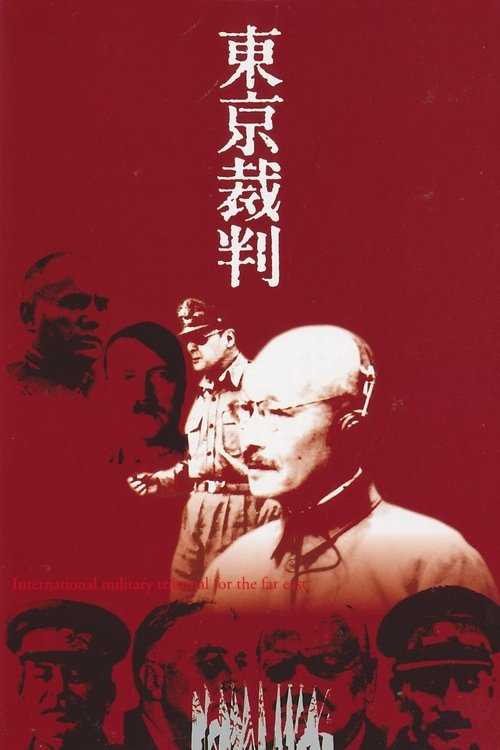
Masaki Kobayashi’s film is a profound exploration of narrative deconstruction. It prioritizes the examination of systemic power dynamics over traditional narratives of victory. The film challenges the legitimacy of the Western-led international order by framing legal proceedings as manifestations of power rather than objective moral truths. Though the film lacks representation of LGBTQ+ identities and gender diversity due to its historical context, it achieves progressive value through its critique of Western hegemony. By focusing on the tension between oppressors and the oppressed, it disrupts conventional expectations of justice and examines the imposition of foreign values on a defeated nation.
Category Breakdown
The film focuses on historical legal proceedings and geopolitical issues. There are no LGBTQ+ characters or stories in the courtroom scenes.
The film highlights a male-dominated environment during the 1946–1948 tribunal. Women appear mainly as subjects of testimony, often as victims, rather than as active participants in legal discussions.
The film showcases a mix of Western and non-Western actors. It provides significant depth and control to Japanese subjects, examining the tensions between occupying and occupied powers through courtroom scenes.
The film critically examines Western institutions and 'victor's justice.' It portrays the tribunal as a tool of geopolitical imposition rather than a neutral judge of truth.
The film does not prominently feature characters with visible or invisible disabilities as central plot devices. The focus remains on the political roles of high-ranking officials.
Present on Screen
Limited or Absent
Official Synopsis
A look at the trial of Japanese militarists accused of war crimes; from the proceedings of the International Military Tribunal (May 1946–November 1948). It took two days to read the charges against the 100 alleged war criminals in the docket (only 28 top officials are actually in the small courtroom), and the final judgment took one week to read.
1988
1959
2013

1938
1945
1961

1945
2015
No reviews yet. Be the first to share your thoughts on this movie!
Use the rating form above to leave a star rating and optional review.