The 17th Parallel
1968
No user ratings available yet
Representation score: 7.7 out of 10
Representation Score
Excellent
1967
Not RatedDirector
Claude Lelouch, William Klein, Jean-Luc Godard, Joris Ivens, Chris Marker, Agnès Varda, Alain Resnais
Runtime
116 minutes
Average Rating
No ratings yetNew Showbiz Analysis
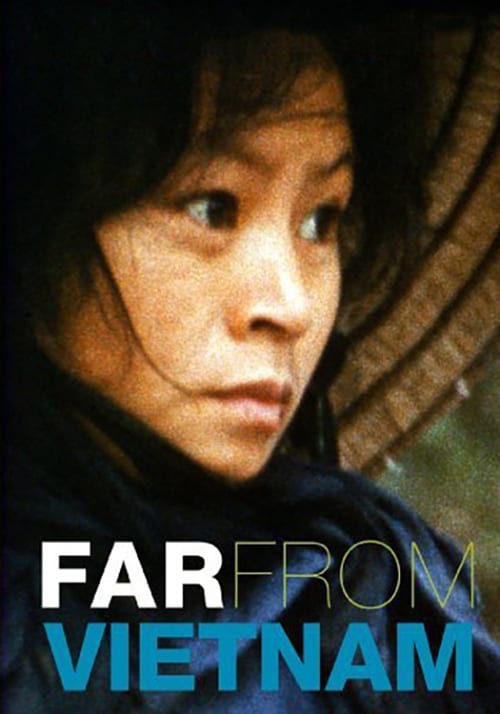
Far from Vietnam is a powerful collaborative documentary that successfully dismantles the Western gaze. By centering the North-Vietnamese experience, the film shifts ability to act from imperialist observers to the indigenous subjects of the conflict. The documentary excels in its post-colonial framework, providing a necessary counter-narrative to the racialized caricatures of the era. It effectively challenges Western hegemony and the systemic violence of military intervention. While the film lacks specific focus on LGBTQ+ or disability-centric narratives, its systemic critique of power structures makes it a significant historical work of progressive cinema.
Category Breakdown
The film focuses on political documentary and war reportage rather than identity-driven narratives. There is no explicit depiction of LGBTQ+ identities within the footage.
Women are presented as essential actors in the social and political fabric of Vietnam. Agnès Varda’s perspective integrates a female gaze that challenges traditional male-dominated war archetypes.
The narrative shifts ability to act away from the American military toward the North-Vietnamese people. It uses actual civilians and combatants to dismantle racialized caricatures common in Western media.
The film provides a profound critique of Western capitalism and imperialism. It prioritizes the lived reality of the colonized subject over Western institutional stability.
Warfare's physical and psychological trauma is documented through raw, observational footage. These depictions serve as evidence of conflict rather than nuanced character studies of disability.
Present on Screen
Limited or Absent
Official Synopsis
In seven different parts, Godard, Ivens, Klein, Lelouch, Marker, Resnais, and Varda show their sympathy for the North-Vietnamese army during the Vietnam War.
1968
1967
1966
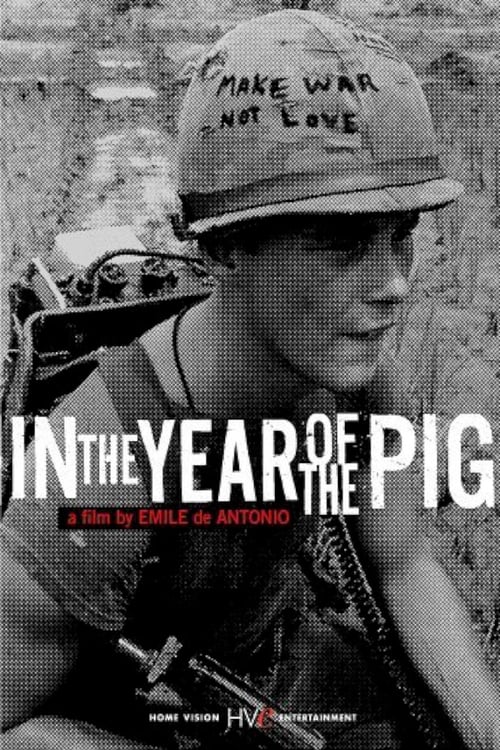
1969
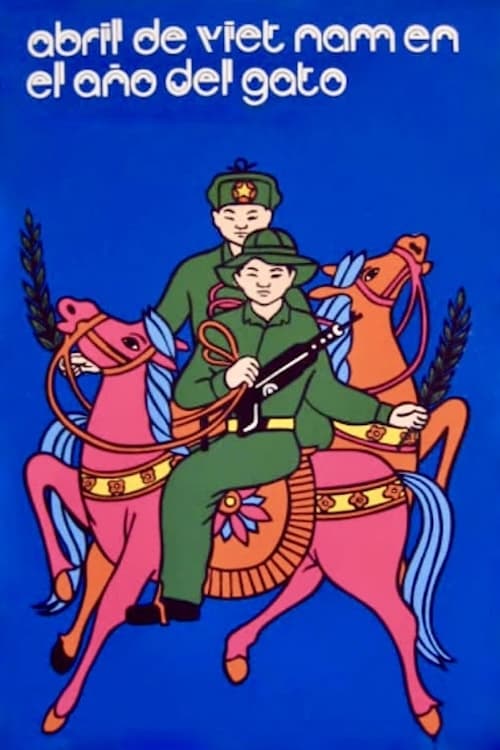
1975
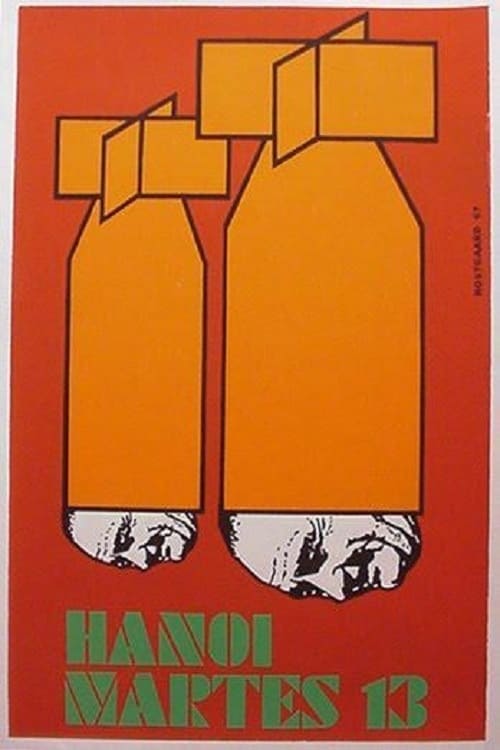
1969
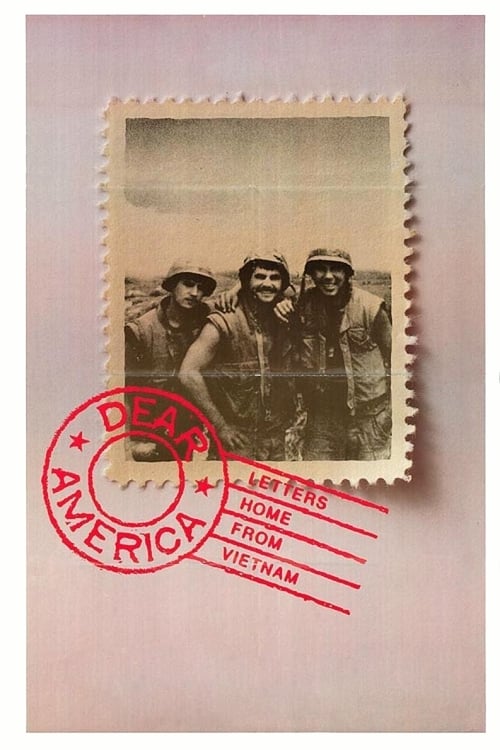
1987
1974
No reviews yet. Be the first to share your thoughts on this movie!
Use the rating form above to leave a star rating and optional review.