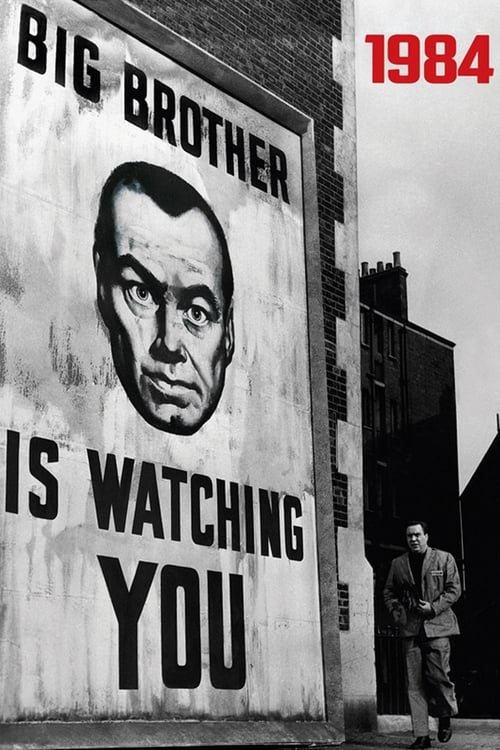
1984
1956
No user ratings available yet
Representation score: 5.7 out of 10
Representation Score
Fair
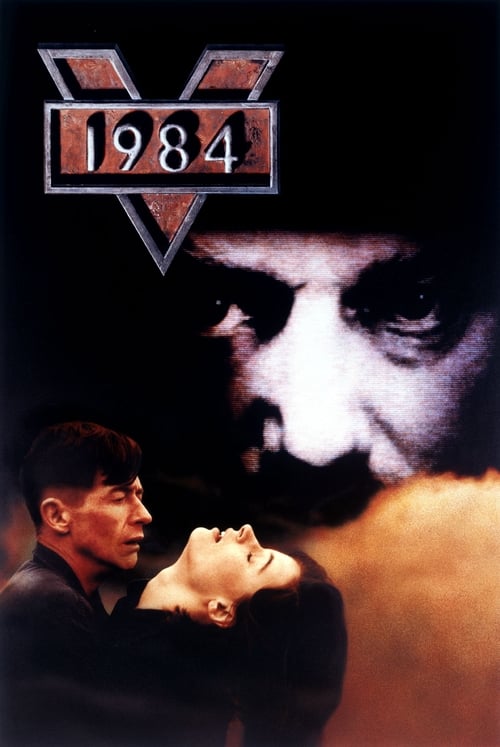
1984
RDirector
Michael Radford
Runtime
113 minutes
Average Rating
No ratings yetNew Showbiz Analysis
Michael Radford’s adaptation is a masterful critique of systemic issues, yet it remains demographically narrow. The film excels at deconstructing cultural pillars like truth, language, and the family unit, providing a deep look at how totalitarianism erodes social norms. However, the absence of racial, ethnic, and LGBTQ+ diversity keeps the overall score low. The setting is a monochromatic, insular world that focuses on class hierarchies rather than a diverse range of human identity. Ultimately, the film prioritizes thematic depth over demographic breadth, offering a powerful look at institutional oppression at the expense of characters who reflect more than one aspect of diversity.
Category Breakdown
The story focuses on a heterosexual relationship between Winston and Julia, without including any LGBTQ+ characters or non-cisgender identities. The narrative emphasizes the state's suppression of all intimate connections.
Julia plays a significant role in the story by using her sexuality to rebel against the state. However, the narrative remains centered around a male protagonist and focuses on biological impulses.
The film features a predominantly white/European cast set in a decaying London. The narrative prioritizes class divisions over racial or ethnic diversity.
The film provides a critical look at Western institutions, showing how family loyalty is undermined and replaced by a cult of personality.
Psychological trauma is used as a means to illustrate the state's power. These depictions serve the plot rather than offering nuanced representations of mental health issues.
Present on Screen
Limited or Absent
Official Synopsis
Winston Smith is a government employee whose job involves the rewriting of history in a manner that casts his fictional country's leaders in a charitable light. His trysts with Julia provide his only measure of enjoyment, but lawmakers frown on the relationship -- and in this closely monitored society, there is no escape from Big Brother.
1956

1966
1971

1936
1990

1961

2014
1971
No reviews yet. Be the first to share your thoughts on this movie!
Use the rating form above to leave a star rating and optional review.