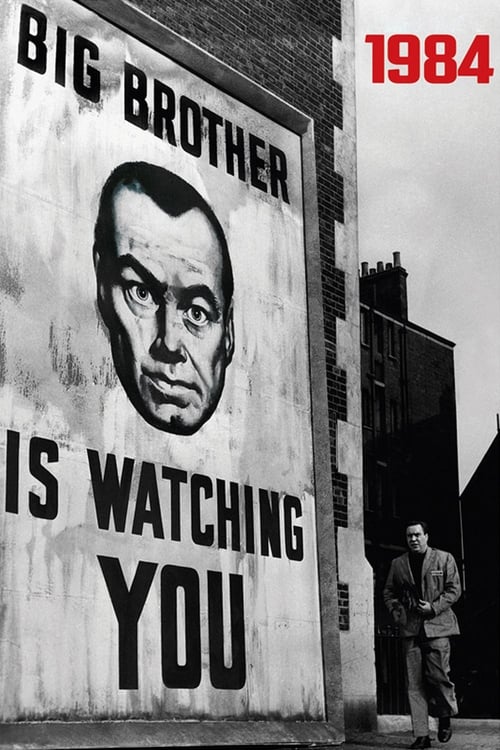
Nineteen Eighty-Four
1984
No user ratings available yet
Representation score: 5.7 out of 10
Representation Score
Fair
1956
NRDirector
Michael Anderson
Runtime
90 minutes
Average Rating
No ratings yetNew Showbiz Analysis
This 1956 adaptation of *1984* focuses on systemic oppression, emphasizing political and socioeconomic themes over diverse representation. While it lacks racial, LGBTQ+, and disability representation, it excels in its critique of institutional authority. The film's strength lies in its deconstruction of Western-style state structures and the erosion of truth. It highlights how absolute power functions by breaking down traditional social bonds. Ultimately, the film offers a narrow but deep exploration of power dynamics. It prioritizes a focused critique of totalitarianism over multi-layered identity.
Category Breakdown
The story focuses on a heterosexual relationship between Winston and Julia, without including any non-cisgender identities or queer-coded subtext. Intimacy is portrayed strictly within a binary framework.
Julia demonstrates a significant role in driving the story by using her sexuality as a form of resistance against the state. However, the film adheres to era-specific casting norms and explores themes of patriarchal surveillance.
Airstrip One is shown as a predominantly white society where socioeconomic class, rather than ethnic or racial identity, drives oppression.
The film provides a critical look at institutional corruption and Western-style state structures. It effectively portrays the breakdown of the family unit and the manipulation of social institutions.
There is no meaningful representation of neurodivergence or physical disabilities. Psychological trauma is presented as a result of state violence, rather than exploring lived experiences of disability.
Present on Screen
Limited or Absent
Official Synopsis
In a totalitarian future society, a man whose daily work is rewriting history tries to rebel by falling in love.
1984

1936

1966

1961

1971

1959

1976
1971
No reviews yet. Be the first to share your thoughts on this movie!
Use the rating form above to leave a star rating and optional review.