Women Talking
2022
No user ratings available yet
Representation score: 8.6 out of 10
Representation Score
Excellent
1990
RDirector
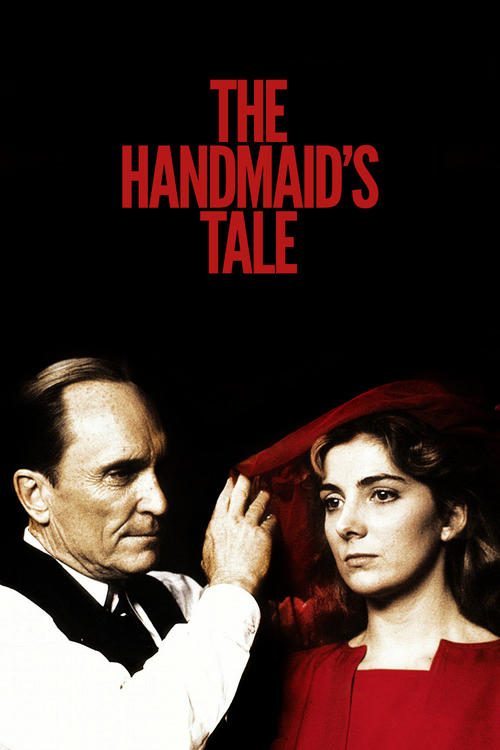
Volker Schlöndorff
Runtime
108 minutes
Average Rating
No ratings yetNew Showbiz Analysis
Volker Schlöndorff’s adaptation is a thorough examination of systemic power. It excels at deconstructing patriarchal and religious institutions, using the horror of the Gilead regime to expose the fragility of traditional hierarchies. The film's strength lies in its ability to frame gendered oppression as a tool of state terror. However, the film's emphasis on reproductive utility limits its exploration of other identities. While it critiques the erasure of individual identity, it does not delve deeply into racial the way different parts of someone's identity overlap or neurodivergent experiences. The narrative structure prioritizes the biological caste system over a diverse range of human identity. Ultimately, the film is more about dismantling oppressive norms than providing positive representation. It succeeds as a sociopolitical critique, even when its depictions of underrepresented groups are defined by their victimization.
Category Breakdown
The film highlights the violent enforcement of the assumption that everyone is straight or cisgender. LGBTQ+ individuals are shown mainly as victims of state-sanctioned violence rather than as characters with significant influence over their own lives.
The story focuses on the fight for female bodily autonomy against patriarchal control. It presents traditional gender roles as tools used by the state to maintain systemic oppression and fear.
The representation is moderate, with the narrative emphasizing a biological caste system. The setting suggests a broader erasure of individual identity in favor of state-mandated categories.
The film provides a sophisticated critique of religious fundamentalism and state power. It breaks down the 'traditional family' concept, presenting it as a state-controlled breeding unit.
The focus remains on biological fertility and reproductive usefulness. Characters with disabilities or neurodivergence are not central to the main storyline.
Present on Screen
Limited or Absent
Official Synopsis
In a dystopian, polluted right-wing religious tyranny, a young woman is put in sexual slavery on account of her now rare fertility.
2022
1983

2016

1966
1984

1959
2006
1971
No reviews yet. Be the first to share your thoughts on this movie!
Use the rating form above to leave a star rating and optional review.