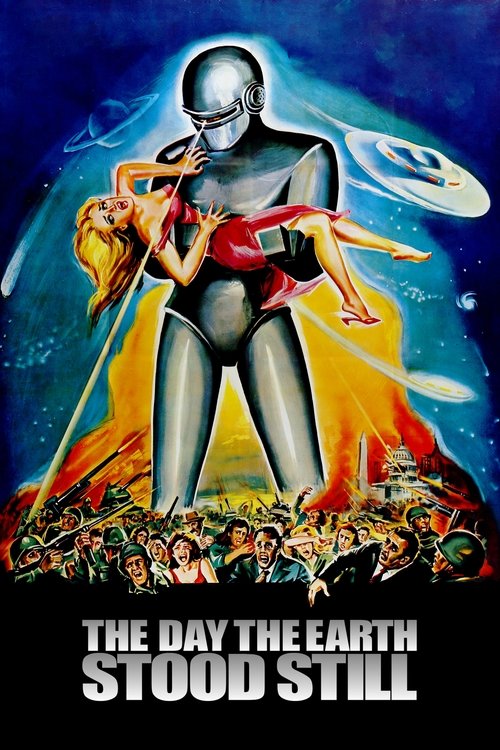
The Day the Earth Stood Still
1951
No user ratings available yet
Representation score: 1.5 out of 10

Representation Score
Limited
1936
NRDirector
William Cameron Menzies
Runtime
100 minutes
Average Rating
No ratings yetNew Showbiz Analysis
Things to Come is a historical example of technocratic progressivism. While it falls short of modern standards for identity-based representation, it offers a radical reimagining of social organization. The film’s strength lies in its systemic critique rather than demographic inclusion. The narrative challenges the concept of the heroic individual, favoring scientific evolution over the sanctity of the nation-state. It questions religious authority by presenting a secular, intellectual meritocracy as the solution to global anarchy. However, the vision of the future remains culturally narrow. The lack of racial, gender, and LGBTQ+ diversity limits the film’s progressive reach to its philosophical and political frameworks.
Category Breakdown
The film does not depict any non-binary gender identities or same-sex relationships. Social structures are based on the assumption that everyone is straight and cisgender, reflecting the norms of the 1930s.
The film portrays a predominantly male-dominated hierarchy, with men in key roles such as scientists and political leaders. Women are mostly relegated to supporting roles that reinforce traditional gender roles.
The film features a largely homogenous cast, dominated by white characters. Its portrayal of a globalized future remains visually and culturally rooted in a Eurocentric perspective.
The film effectively questions traditional Western institutions, prioritizing scientific rationalism and a technocratic society over religious or traditional structures to promote human progress.
The film does not prominently feature physical or neurodivergent disabilities as central plot devices or character arcs.
Present on Screen
Limited or Absent
Official Synopsis
The story of a century: a decades-long second World War leaves plague and anarchy, then a rational state rebuilds civilization and attempts space travel.
1951

1961
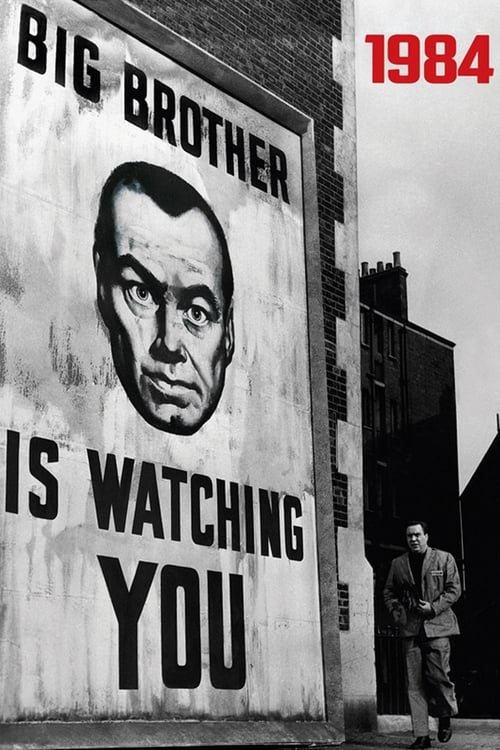
1956
1972

1984

1959
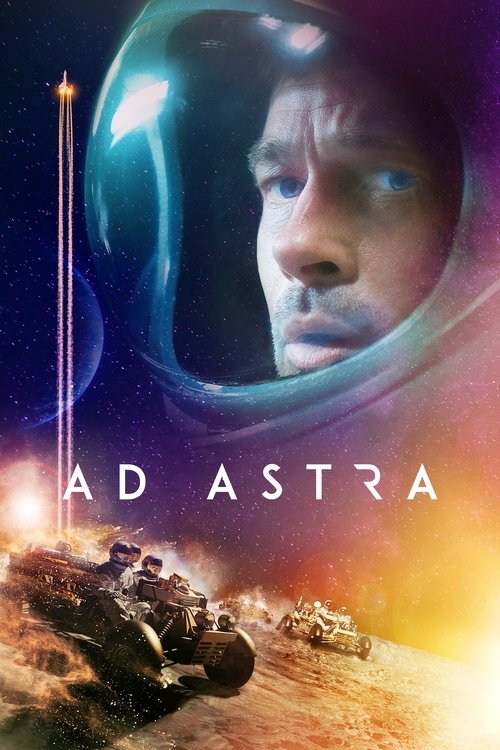
2019
1983
No reviews yet. Be the first to share your thoughts on this movie!
Use the rating form above to leave a star rating and optional review.