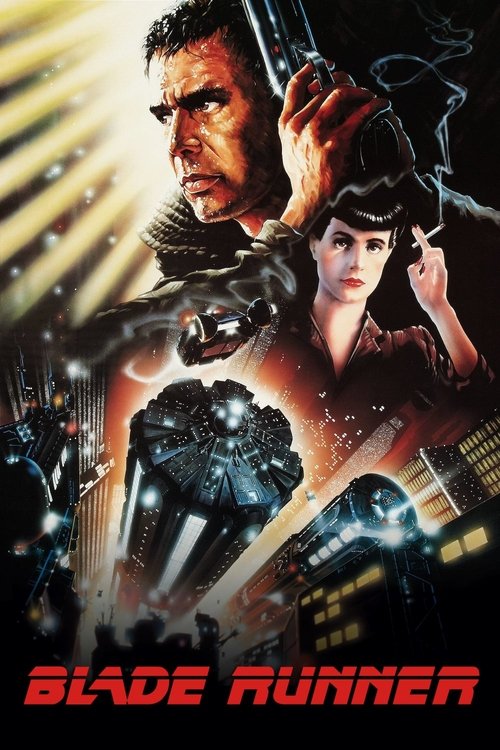
Blade Runner
1982
No user ratings available yet
Representation score: 7.7 out of 10
Representation Score
Excellent
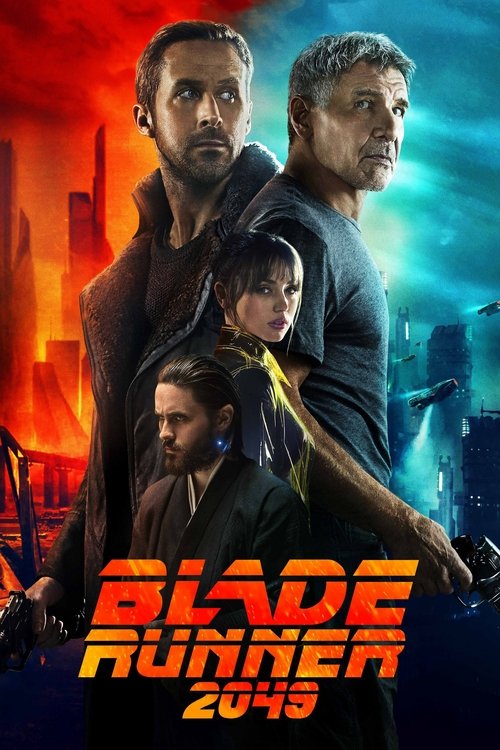
2017
RDirector
Denis Villeneuve
Runtime
164 minutes
Average Rating
No ratings yetNew Showbiz Analysis
Blade Runner 2049 succeeds as a sophisticated critique of systemic power and identity. It uses a speculative, postmodern framework to explore how manufactured classes struggle against corporate dominance and social marginalization. The film excels in its world-building, using a multicultural aesthetic and deconstructing traditional gender and social hierarchies. By centering the struggle for autonomy against an oppressive system, it moves beyond simple genre clichés. However, the representation of identity remains largely tied to the existential status of replicants. While it explores psychological instability and unconventional intimacy, it lacks explicit depictions of traditional non-traditional gender identities or physical disabilities.
Category Breakdown
The film explores unconventional intimacy through the romance between K and the AI hologram Joi. While it doesn't explicitly show non-traditional gender identities, it challenges typical expectations by focusing on a relationship between a human and a digital entity.
The narrative challenges traditional gender roles through characters like Luv, a high-ranking operative with significant influence and physical strength. Joi also defies consumerist gender stereotypes by having a complex, simulated role in the story.
A multicultural, globalized aesthetic depicts a future Los Angeles, moving away from a homogeneous Western perspective. The presence of East Asian cultural elements and diverse populations reflects a post-colonial landscape.
The story offers a profound critique of late-stage capitalism and the commodification of sentient life. It deconstructs traditional authority and the concept of the natural family within a corrupt, authoritarian system.
The film explores psychological fragmentation and the trauma of existential displacement. Characters deal with manufactured memories, portraying mental and identity-based instability as a core part of the sentient experience.
Present on Screen
Limited or Absent
Official Synopsis
Thirty years after the events of the first film, a new blade runner, LAPD Officer K, unearths a long-buried secret that has the potential to plunge what's left of society into chaos. K's discovery leads him on a quest to find Rick Deckard, a former LAPD blade runner who has been missing for 30 years.
1982
2022
2019
2017

2015
2003

2009

2018
No reviews yet. Be the first to share your thoughts on this movie!
Use the rating form above to leave a star rating and optional review.