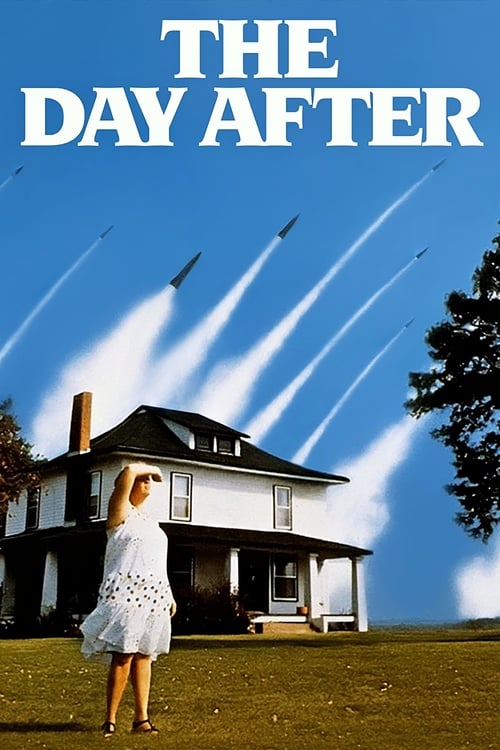
The Day After
1983
No user ratings available yet
Representation score: 3.4 out of 10

Representation Score
Minimal
1961
UnratedDirector
Val Guest
Runtime
98 minutes
Average Rating
No ratings yetNew Showbiz Analysis
The film reflects the homogeneity of its 1961 production context, lacking diverse representation of LGBTQ+ individuals, non-white identities, and people with disabilities. However, it excels in its cultural critique. Instead of focusing on individual heroes, it delves into the systemic failures of global powers during a crisis. The narrative questions the effectiveness of established governance and social norms during a planetary disaster. Ultimately, while the demographic diversity is limited, the film provides a nuanced examination of geopolitical dominance and nationalism.
Category Breakdown
The film does not depict any non-straight relationships or include queer subtext. The social structure aligns closely with conventional 1960s family dynamics.
Women play secondary roles, often in domestic settings, while men hold positions of power in scientific discovery and political decision-making.
The cast is primarily white and Anglo-Saxon, reflecting the production standards of the time. There is a lack of meaningful representation of non-white identities.
The story criticizes Western political systems and the rivalry between superpowers. It highlights the failure of traditional nationalism and government institutions during a crisis.
There are no visible portrayals of physical or neurodivergent disabilities. Characters are shown as having typical physical abilities.
Present on Screen
Limited or Absent
Official Synopsis
British reporters suspect an international cover-up of a global disaster in progress... and they're right. Hysterical panic has engulfed the world after the United States and the Soviet Union simultaneously detonate nuclear devices and have caused the orbit of the Earth to alter, sending it hurtling towards the sun.
1983
1983

1984
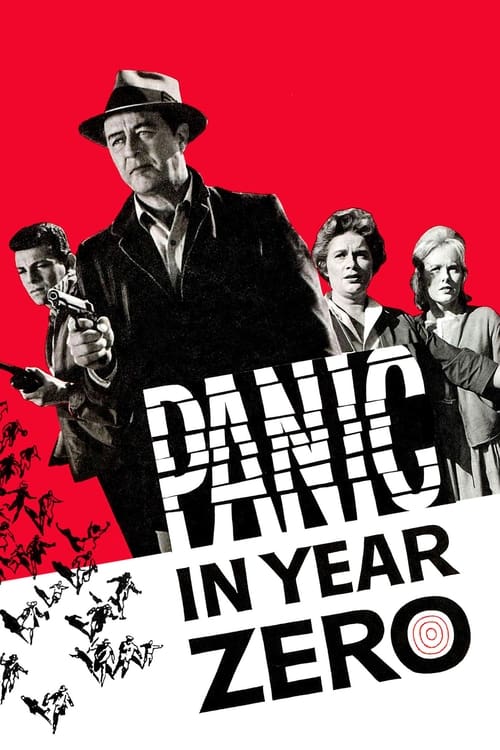
1962
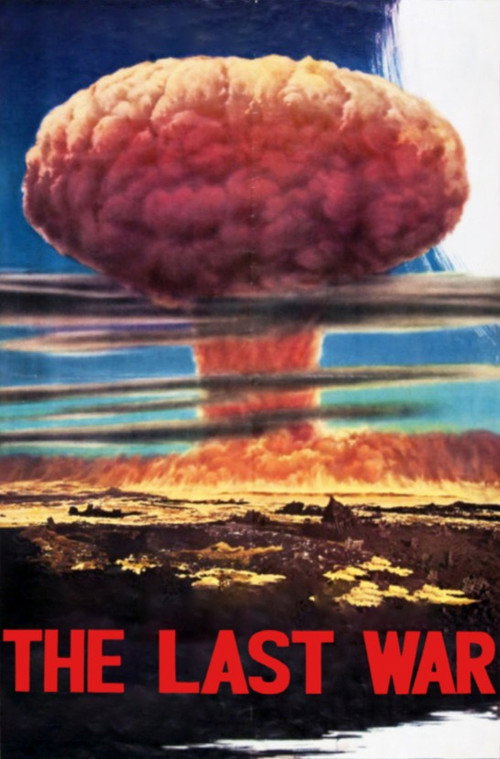
1961

1959

1936

1951
No reviews yet. Be the first to share your thoughts on this movie!
Use the rating form above to leave a star rating and optional review.