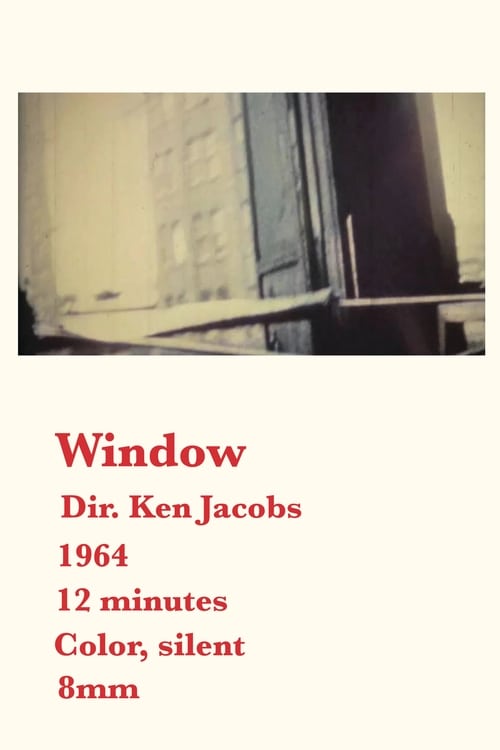
Window
1964
No user ratings available yet
Representation score: 0.4 out of 10
No Poster Available
Representation Score
Fair
1967
Director
Étienne O'Leary
Runtime
40 minutes
Average Rating
No ratings yetNew Showbiz Analysis
Homeo is a formalist experiment that prioritizes the deconstruction of cinematic tradition over demographic representation. It succeeds as a philosophical critique of Western institutions, using a psychedelic, reality-based lens to challenge traditional narrative structures. However, the film lacks verifiable evidence of racial or LGBTQ+ diversity. While its experimental nature provides a space for non-traditional identities, the actual on-screen presence of diverse groups remains unconfirmed. Ultimately, the work is defined by its cultural and philosophical subversion rather than explicit social inclusion.
Category Breakdown
The film does not explicitly depict same-sex relationships or non-cisgender identities. Although its experimental structure allows for non-traditional explorations, no specific LGBTQ+ identities are confirmed.
The presence of female actors like Michèle Giraud suggests a departure from typical male-centric viewpoints. The film's focus on sensory experience over social roles may challenge traditional gender hierarchies.
There is no indication of intentional color-blind casting or a diverse racial composition. Given the 1967 European setting, the cast appears potentially homogeneous.
The film aligns with postmodernist values by prioritizing reality over fiction. Its focus on psychedelic experiences and evolving ways of life critiques static, traditional Western institutions.
The film does not include any characters or subjects navigating physical or neurodivergent disabilities.
Present on Screen
Limited or Absent
Official Synopsis
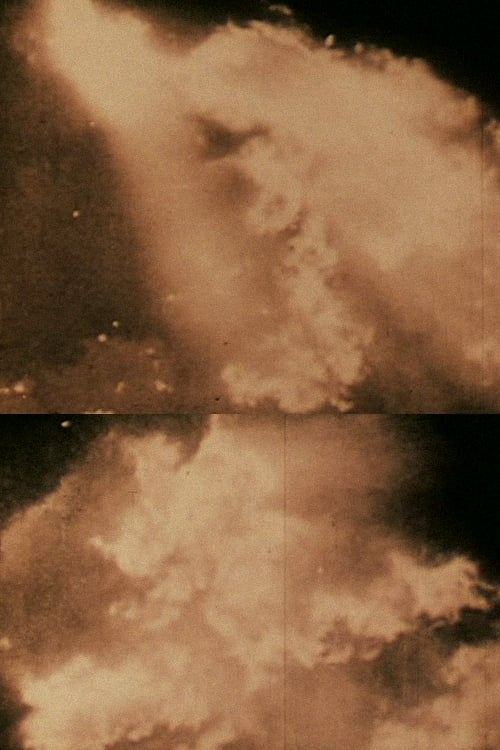
Homeo is a mental construction made from visual reality, just as music is made from auditive reality. I put in this film no personal intentions. All my intentions are personal. I’ve made this film thinking of what the audience would have liked to see, not something specific that I wanted to say: what the film depicts is above all reality, not fiction. Homeo is, for me, the search for an autonomous cinematographic language, which doesn't owe anything to traditional narrative, or maybe everything. Cinema is, above all, part of a way of life which will become more and more self-assured in the years and century to come. We are part of this change, and that’s why I tried in Homeo to establish a series of perpetual changes, in constant evolution or regress, which tries, above all, to focus on things.
1964
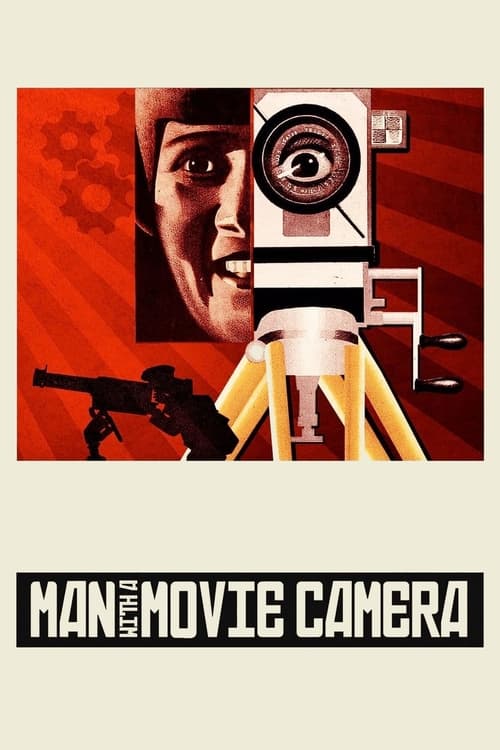
1929
1952

1983
1929
1966
1982
1976
No reviews yet. Be the first to share your thoughts on this movie!
Use the rating form above to leave a star rating and optional review.