
Thot-Fal'N
1978
No user ratings available yet
Representation score: 7.3 out of 10
Representation Score
Minimal
1976
Director
Bruce Conner
Runtime
6 minutes
Average Rating
No ratings yetNew Showbiz Analysis
Bruce Conner’s experimental work prioritizes psychological abstraction and sensory experience over social representation. Since the film relies on found-footage montage, it lacks the characters, dialogue, and plot necessary to address identity-based demographics. The film's strength lies in its postmodern disruption of cinematic norms. By deconstructing traditional storytelling, it offers a unique cultural critique of media authority, though this does not translate to interpersonal diversity. Ultimately, the work functions as a dreamlike sensory experience rather than a social portrait, resulting in low scores for specific identity categories.
Category Breakdown
The film lacks a narrative structure or characters. Therefore, there is no presence of LGBTQ+ identities.
Since the film is a non-narrative collage, it does not contain any gendered characters or engage with gender hierarchies.
The film uses rapid-fire imagery from media archives without a cohesive cast. It functions as sensory abstraction without specific ethnic narratives.
Conner uses pastiche to critique traditional media consumption. The fragmented imagery rejects structured Western knowledge systems in favor of a subjective, subconscious experience.
There are no characters portrayed within the film. Consequently, no physical or neurodivergent identities are represented.
Present on Screen
Limited or Absent
Official Synopsis
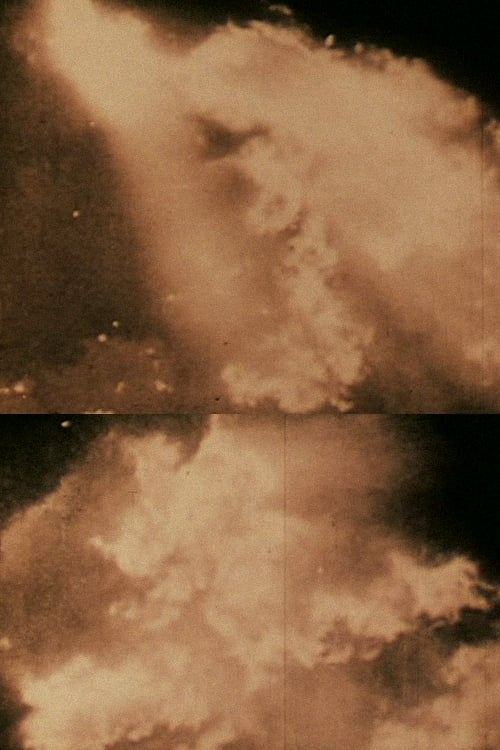
Its slow somnambulic rhythm, its animalistic jungle sounds as well as the eerily mixed images create a dream mood that comes closest to my actual dreaming-feeling. The long black phases between the sequences are as important as the images themselves because they leave empty space where the "echo" of the last image can seep through without interfering with the following image. But our logical mind still somehow feels compelled to construe some kind of sense, parallel, or some erratic story out of it.
1978
1983
1967
1965
1964
1970
1964

1969
No reviews yet. Be the first to share your thoughts on this movie!
Use the rating form above to leave a star rating and optional review.